Jump to a Chapter

All-Weather vs All-Season Tires: Which One Fits Your Driving Needs?

All-Weather vs All-Season Tires: Which One Fits Your Driving Needs?

Tires are one of the most important components of any vehicle because they influence handling, braking, comfort, and overall driving confidence. Among the many tire categories available today, all-weather and all-season tires are often compared because both are designed for year-round use. Although their names sound similar, they are built with different priorities and perform differently depending on temperature, road conditions, and climate.


All-season tires are intended to deliver balanced performance in mild weather throughout the year, while all-weather tires are engineered to provide improved capability in colder temperatures and light winter conditions without requiring seasonal tire changes in many regions.

Understanding these differences can help drivers make informed decisions based on climate, road conditions, and driving habits. This guide explains both tire categories, their construction, performance characteristics, safety technologies, maintenance practices, and the latest advancements in tire engineering.

Understanding Tire Categories

Modern tire manufacturers design different tires to suit different environments and driving conditions.

Common tire categories include:

  • All-season tires
  • All-weather tires
  • Summer tires
  • Winter tires
  • Touring tires
  • Performance tires
  • Highway tires
  • Off-road tires

Each type is developed using specific tread patterns and rubber compounds that influence grip, handling, and durability.

What Are All-Season Tires?

All-season tires are designed to provide dependable performance throughout most of the year in areas with relatively moderate climates.

Their design focuses on achieving a balance between:

  • Dry road handling
  • Wet road traction
  • Ride comfort
  • Fuel efficiency
  • Long tread life
  • Everyday usability

They are commonly fitted to passenger cars, sedans, compact SUVs, and crossover vehicles because they offer versatile performance under typical driving conditions.

What Are All-Weather Tires?

All-weather tires combine characteristics of both all-season and winter tires.

Their purpose is to provide improved performance during colder temperatures while still maintaining comfortable handling during warmer months.

Many all-weather tires feature:

  • Enhanced snow traction
  • Improved wet-road grip
  • Flexible rubber compounds
  • Deeper tread patterns
  • Additional siping for winter performance

Many models also carry the Three-Peak Mountain Snowflake (3PMSF) certification, indicating that they have met established snow traction performance standards.

How Tire Construction Differs

Although both categories appear similar, their internal construction differs in several ways.

Rubber Compound

The rubber compound largely determines how a tire performs in different temperatures.

All-season tires generally use compounds optimized for moderate weather, providing durability and efficient rolling resistance.

All-weather tires often use more temperature-flexible compounds that remain effective in colder environments, allowing the tread to maintain better contact with the road.

Tread Design

The tread pattern influences traction, water evacuation, and braking performance.

All-season tires usually feature:

  • Continuous tread ribs
  • Moderate tread depth
  • Balanced groove patterns
  • Lower rolling resistance

All-weather tires often include:

  • Deeper grooves
  • Increased siping
  • Larger tread blocks
  • Enhanced water channels

These features contribute to improved grip on wet roads and light snow.

Dry Road Performance

Both tire categories perform well on dry pavement.

All-season tires generally emphasize:

  • Smooth steering response
  • Highway stability
  • Comfortable driving
  • Low road noise

All-weather tires provide similar dry-road handling while balancing performance across a wider range of temperatures.

Wet Road Performance

Rain can significantly reduce tire traction, making tread design especially important.

Modern tires use several technologies to improve wet-road safety, including:

  • Wide circumferential grooves
  • Water evacuation channels
  • High-density siping
  • Optimized tread block arrangement

These features help reduce standing water beneath the tire, improving grip and helping minimize the likelihood of hydroplaning.

Cold Weather Performance

Temperature affects tire flexibility.

As temperatures decrease, rubber compounds naturally become firmer.

All-weather tires are generally designed to remain more flexible during colder weather, helping maintain traction when temperatures fall.

All-season tires continue to perform effectively in moderate climates but may gradually lose some flexibility during extended periods of low temperatures.

Snow Performance

Snow performance is one of the biggest differences between the two categories.

All-Season Tires

All-season tires can manage occasional light snowfall, especially in regions where winter conditions are relatively mild.

However, they are not specifically designed for prolonged snow-covered roads or icy conditions.

All-Weather Tires

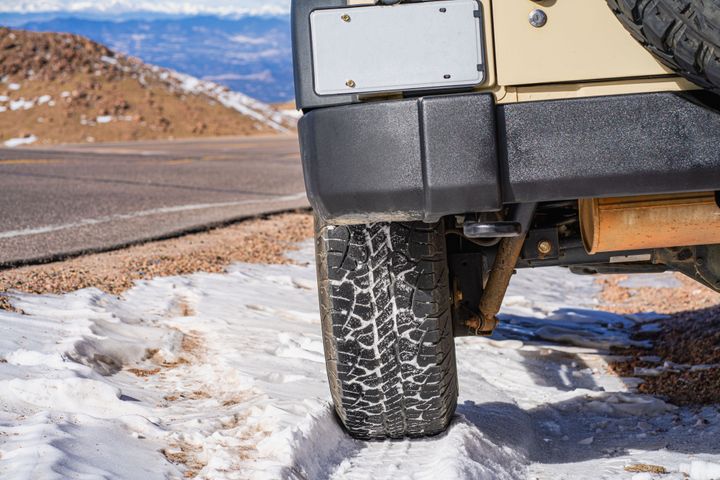
All-weather tires are engineered to provide additional grip in light to moderate winter weather.

Their deeper tread design and specialized rubber compounds generally improve traction on snowy roads compared to standard all-season tires.

It is important to note that dedicated winter tires remain the preferred option for areas experiencing severe winter weather and prolonged ice or heavy snowfall.

Ride Comfort

Comfort is an important consideration for daily driving.

Modern tire manufacturers focus on reducing:

  • Vibration
  • Cabin noise
  • Road harshness

Both all-season and all-weather tires are designed to provide comfortable everyday driving experiences, although comfort levels vary between individual tire models.

Handling and Stability

Vehicle handling depends on many factors, including tire construction.

Well-designed tires contribute to:

  • Stable cornering
  • Predictable steering
  • Controlled braking
  • Balanced acceleration
  • Improved highway stability

Proper tire maintenance also plays an important role in maintaining consistent handling characteristics.

Durability

Several factors influence tire lifespan.

These include:

  • Driving habits
  • Road surface quality
  • Vehicle alignment
  • Tire inflation pressure
  • Tire rotation schedule
  • Vehicle weight

Routine maintenance can help maximize tire life regardless of tire category.

Fuel Efficiency

Rolling resistance affects how efficiently a vehicle moves.

Modern tire manufacturers use advanced engineering to reduce rolling resistance through:

  • Optimized rubber compounds
  • Lightweight internal construction
  • Efficient tread geometry

Lower rolling resistance may contribute to improved vehicle efficiency under appropriate driving conditions.

Tire Safety Technologies

Today's tires incorporate numerous safety-focused innovations.

Examples include:

  • Reinforced internal construction
  • Improved sidewall strength
  • Advanced silica compounds
  • Enhanced wet-weather tread patterns
  • Temperature-resistant rubber formulations
  • Integrated Tire Pressure Monitoring System (TPMS) compatibility

These technologies support overall driving stability and tire performance.

Tire Maintenance

Proper maintenance helps preserve safety and performance throughout the life of a tire.

Recommended maintenance practices include:

  • Checking tire pressure regularly
  • Rotating tires according to manufacturer recommendations
  • Inspecting tread depth
  • Performing periodic wheel alignment
  • Balancing wheels when necessary
  • Inspecting for cuts, punctures, or uneven wear

Routine inspections help identify issues before they affect vehicle performance.

Factors to Consider When Choosing Between Them

Several factors influence which tire category may be more suitable.

Consider:

  • Local climate
  • Average yearly temperatures
  • Rainfall frequency
  • Snow occurrence
  • Daily driving distance
  • Highway versus city driving
  • Vehicle manufacturer recommendations

Understanding your typical driving environment provides valuable context when evaluating tire options.

Tire Technology Trends in 2026

Modern tire technology continues to advance through innovation and research.

Current developments include:

  • AI-assisted tire development
  • Sustainable rubber materials
  • Low rolling resistance technology
  • Smart tire monitoring systems
  • Enhanced silica tread compounds
  • Improved wet-weather performance
  • Noise reduction engineering
  • Connected tire health monitoring

These technologies continue improving safety, durability, efficiency, and overall driving performance.

Frequently Asked Questions

What is the primary difference between all-weather and all-season tires?

All-season tires are designed for balanced year-round performance in moderate climates, while all-weather tires are engineered to provide improved capability in colder temperatures and light winter conditions.

Can all-weather tires be used throughout the year?

In many regions with moderate winters, all-weather tires are designed for year-round use. Their suitability depends on local climate, road conditions, and applicable regulations.

Are all-season tires suitable for winter driving?

They can perform adequately in occasional light snow and mild winter conditions, but dedicated winter tires remain more appropriate for severe winter environments.

What does the Three-Peak Mountain Snowflake symbol indicate?

The Three-Peak Mountain Snowflake (3PMSF) symbol indicates that a tire has met standardized snow traction performance requirements.

Does regular maintenance improve tire lifespan?

Yes. Proper inflation, regular tire rotation, wheel alignment, balancing, and routine inspections help maintain tire performance and support longer service life.

Conclusion

All-weather and all-season tires both offer practical solutions for year-round driving, but they are designed with different priorities. All-season tires emphasize balanced everyday performance in moderate climates, while all-weather tires extend capability into colder temperatures and light winter conditions through specialized tread designs and temperature-adaptive rubber compounds.

Learning how these tire categories differ in construction, traction, comfort, durability, and maintenance allows drivers to better understand the technology behind modern tires and the role they play in vehicle safety and performance. As tire engineering continues to evolve with AI-assisted development, sustainable materials, and smart monitoring technologies, drivers can expect continued improvements in efficiency, reliability, and driving confidence.

Disclaimer

This article is intended solely for informational and educational purposes. It does not provide automotive engineering, mechanical, regulatory, vehicle inspection, purchasing, or professional maintenance advice. It does not endorse, recommend, compare, rank, review, market, or promote any tire manufacturer, automotive brand, retailer, or product. Tire specifications, performance characteristics, certifications, and suitability vary by manufacturer, vehicle type, driving conditions, climate, and local regulations. Readers should consult their vehicle owner's manual, qualified automotive professionals, and official tire manufacturer documentation for guidance specific to their vehicle and operating environment.


author-image

Ravi Shankar Maurya

We create purposeful content that speaks, resonates, and drives action.

July 17, 2026 . 9 min read