Lab Research Equipment Explained: Explore Guide, Basics, Tips, Insights, Knowledge, Facts, and Helpful Resources
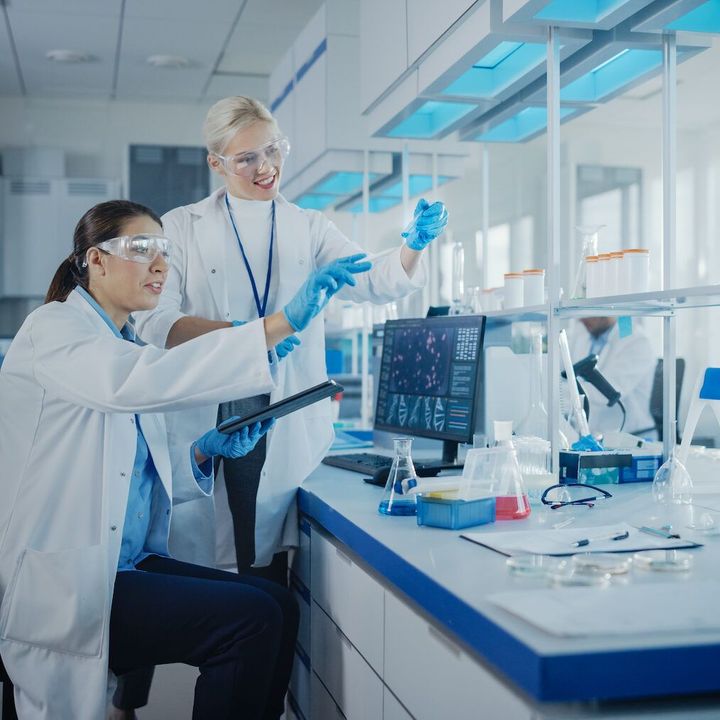
Lab research equipment refers to the instruments, devices, and systems used to conduct scientific investigations, testing, analysis, measurement, and experimentation. These tools support researchers in collecting accurate data, validating hypotheses, and advancing knowledge across disciplines such as healthcare, biotechnology, chemistry, environmental science, engineering, and physics.
Scientific research has relied on specialized equipment for decades because many observations and measurements cannot be performed accurately without precision instruments. As research questions become more complex, laboratories require increasingly advanced technologies capable of delivering reliable and repeatable results.
Modern laboratory environments often combine traditional tools such as microscopes and balances with advanced technologies including automated analyzers, digital imaging systems, molecular testing platforms, and artificial intelligence-supported data analysis software.
Common Types of Laboratory Research Equipment
| Equipment Type | Primary Function |
|---|---|
| Microscopes | Observation of small structures and organisms |
| Centrifuges | Separation of materials by density |
| Spectrophotometers | Measurement of light absorption and analysis |
| Analytical Balances | Precise mass measurement |
| Chromatography Systems | Chemical compound separation |
| Incubators | Controlled environmental conditions |
| PCR Systems | DNA amplification and molecular research |
| Laboratory Freezers | Sample preservation |
| pH Meters | Acidity and alkalinity measurement |
| Safety Cabinets | Protection from hazardous materials |
Why Lab Research Equipment Matters Today
Laboratory equipment plays a central role in scientific progress. Researchers depend on reliable instruments to generate accurate results that support discoveries, product development, quality assurance, environmental monitoring, and healthcare improvements.
The importance of laboratory technology has increased significantly due to growing demand for scientific research in areas such as:
- Biotechnology innovation
- Pharmaceutical development
- Clinical diagnostics
- Environmental sustainability
- Food safety testing
- Materials science
- Academic research
Accurate laboratory instruments help reduce human error, improve reproducibility, and support evidence-based decision-making. These capabilities are particularly important when research findings influence public health, environmental policy, or technological development.
Key Benefits of Modern Laboratory Technology
| Benefit | Impact |
|---|---|
| Higher Accuracy | Improves data reliability |
| Automation | Reduces manual workload |
| Faster Processing | Accelerates research timelines |
| Digital Integration | Enhances data management |
| Standardization | Supports consistent procedures |
| Safety Improvements | Protects researchers and samples |
Many organizations also use laboratory automation systems to streamline repetitive processes while maintaining compliance with quality standards and research protocols.
Recent Updates and Trends in Laboratory Research Equipment
The laboratory technology sector has experienced notable developments during 2025 and 2026. Several trends are influencing how research facilities operate and manage scientific workflows.
Growth of Laboratory Automation
Automated laboratory systems continue to expand across research institutions. Robotics and automated sample handling technologies are being integrated into workflows to improve efficiency and reduce variability in testing procedures.
Artificial Intelligence in Research Laboratories
Artificial intelligence applications have become increasingly common in scientific research. AI-assisted platforms help researchers analyze large datasets, identify patterns, and support decision-making in areas such as drug discovery and molecular biology.
Expansion of Digital Laboratory Management
Electronic laboratory management systems are becoming more widely adopted. These systems improve record keeping, sample tracking, collaboration, and regulatory documentation.
Sustainable Laboratory Practices
Environmental sustainability remains a major focus. Laboratories are implementing energy-efficient equipment, reducing waste generation, and adopting greener research practices where possible.
Advances in Biotechnology Equipment
Recent advancements in molecular diagnostics, genomic sequencing technologies, and precision medicine research have increased demand for highly specialized laboratory instruments capable of handling complex biological analyses.
Laboratory Technology Trend Overview
Laboratory Technology Adoption Trends

Automation            ████████████ 85%
Digital Systems       ██████████ 78%
AI Integration        ████████ 60%
Sustainability        █████████ 65%
Advanced Analytics    ██████████ 75%
Illustrative representation showing industry-wide technology trends.
Regulatory and Policy Considerations
Laboratory research equipment is often subject to regulations, standards, and compliance requirements that help ensure accuracy, safety, quality, and ethical research practices.
Safety Standards
Research facilities typically follow laboratory safety regulations addressing:
- Chemical handling
- Biological safety
- Radiation protection
- Hazardous material management
- Personal protective equipment requirements
These standards help minimize risks associated with scientific experimentation.
Quality Management Systems
Many laboratories implement quality management frameworks that establish procedures for:
- Equipment calibration
- Documentation practices
- Data integrity
- Validation processes
- Performance monitoring
Medical and Clinical Laboratory Regulations
Clinical and diagnostic laboratories often operate under additional oversight to ensure test accuracy and patient safety. Regulatory authorities may establish standards for laboratory testing procedures and equipment validation.
Environmental Compliance
Environmental regulations can affect laboratories involved in waste disposal, emissions monitoring, and hazardous substance management. Compliance requirements vary according to the type of research activities conducted.
Research Ethics and Data Governance
Many institutions follow ethical guidelines governing:
- Human subject research
- Animal research
- Data privacy
- Research transparency
- Scientific integrity
Proper laboratory equipment management contributes to maintaining compliance with these standards.
Helpful Tools and Resources for Laboratory Research
Researchers and laboratory professionals often rely on a combination of equipment, software platforms, and educational resources.
Laboratory Information Management Systems (LIMS)
LIMS platforms help laboratories manage:
- Sample tracking
- Workflow organization
- Data collection
- Reporting processes
- Regulatory documentation
Electronic Laboratory Notebooks
Digital notebooks allow researchers to:
- Record experiments
- Store observations
- Share research findings
- Improve collaboration
Scientific Data Analysis Software
Common analytical tools support:
- Statistical analysis
- Data visualization
- Predictive modeling
- Experimental interpretation
Calibration and Measurement Resources
Laboratories frequently use:
- Calibration schedules
- Measurement templates
- Validation checklists
- Quality assurance documentation
Educational and Research Resources
Useful sources of information include:
- Scientific journals
- Research databases
- Academic institutions
- Government science agencies
- Professional laboratory associations
Laboratory Equipment Selection Considerations
When evaluating laboratory technology, organizations often examine:
| Consideration | Importance |
|---|---|
| Accuracy | Supports reliable results |
| Precision | Improves repeatability |
| Safety Features | Protects users |
| Scalability | Supports future growth |
| Data Integration | Enhances workflow efficiency |
| Regulatory Compliance | Meets required standards |
| Maintenance Requirements | Ensures long-term performance |
Frequently Asked Questions
What is laboratory research equipment?
Laboratory research equipment includes scientific instruments and devices used to perform experiments, collect data, analyze samples, and support research activities across multiple scientific disciplines.
Why is equipment calibration important?
Calibration helps ensure that instruments produce accurate and reliable measurements. Proper calibration supports data quality, consistency, and compliance with laboratory standards.
What is laboratory automation?
Laboratory automation refers to the use of technology, robotics, and software systems to perform tasks that would otherwise require manual intervention. Automation can improve efficiency and reduce variability.
How does laboratory equipment support scientific research?
Research equipment enables precise measurements, controlled experimentation, sample analysis, and data collection. These functions help researchers generate evidence-based findings and validate scientific theories.
What are some examples of advanced laboratory technologies?
Examples include genomic sequencing systems, high-performance chromatography instruments, automated analyzers, AI-assisted research platforms, digital microscopy systems, and laboratory information management systems.
Conclusion
Lab research equipment forms the foundation of modern scientific investigation. From basic measurement tools to advanced analytical instruments, these technologies enable researchers to explore complex questions, generate reliable data, and contribute to advancements in healthcare, biotechnology, environmental science, and many other fields.
Recent developments in automation, artificial intelligence, digital laboratory management, and sustainability are reshaping how laboratories operate. At the same time, safety regulations, quality standards, and ethical guidelines continue to play an important role in ensuring responsible scientific research.
As laboratory technology evolves, researchers and institutions must stay informed about emerging tools, compliance requirements, and best practices. Understanding the capabilities and applications of modern laboratory equipment helps support accurate research outcomes and ongoing scientific progress.