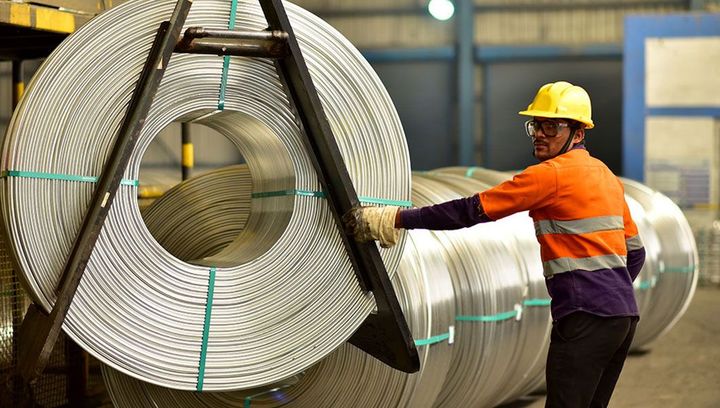
Aluminum Rod Suppliers Explained: Discover Information, Tips, Advice, Details, and Industry Insights
Aluminum rod suppliers are organizations involved in the distribution and movement of aluminum rods used across manufacturing, construction, electrical systems, transportation, engineering, and industrial production. Aluminum rods are long, cylindrical metal products manufactured from aluminum alloys and designed for further processing into wires, fasteners, structural components, machine parts, and other industrial applications.
The aluminum industry exists because modern economies require lightweight, corrosion-resistant, and durable materials. Aluminum rods help manufacturers create products that balance strength, efficiency, and sustainability. As industries continue to modernize, aluminum remains one of the most widely used engineering materials.
From electrical transmission networks to automotive manufacturing, aluminum rods support a wide range of industrial activities. Their versatility makes them an important component of global supply chains.
Why Aluminum Rod Suppliers Matter Today
The importance of aluminum rod suppliers has increased due to growing demand for infrastructure development, renewable energy systems, transportation equipment, and advanced manufacturing technologies.
Several industries depend on reliable access to aluminum materials:
- Electrical and power transmission sectors
- Construction and infrastructure projects
- Automotive manufacturing
- Aerospace engineering
- Industrial machinery production
- Renewable energy equipment manufacturing
- Telecommunications infrastructure
Aluminum rods help address several common challenges:
- Reducing overall product weight
- Improving corrosion resistance
- Supporting energy-efficient designs
- Enhancing material recyclability
- Maintaining structural performance
Because aluminum is highly recyclable, it also supports circular economy initiatives and environmental sustainability goals. Many manufacturers increasingly prioritize recycled aluminum content to reduce resource consumption and emissions.
Common Applications of Aluminum Rods
The table below highlights major applications of aluminum rods across industries.
| Industry | Typical Application | Key Benefit |
|---|---|---|
| Electrical | Conductors and cables | High conductivity |
| Construction | Structural components | Corrosion resistance |
| Automotive | Lightweight vehicle parts | Reduced weight |
| Aerospace | Aircraft components | Strength-to-weight ratio |
| Manufacturing | Machine parts and fasteners | Durability |
| Renewable Energy | Solar and wind systems | Long service life |
Industry Overview at a Glance
The following chart-style summary illustrates major demand drivers.
| Demand Driver | Relative Influence |
| Infrastructure Development | High |
| Electrical Grid Expansion | High |
| Renewable Energy Projects | High |
| Transportation Manufacturing | Medium-High |
| Industrial Automation | Medium |
| Consumer Products | Medium |
These factors continue to shape aluminum production, distribution, and supply chain planning worldwide.
Recent Updates and Industry Trends
The aluminum industry experienced several notable developments during 2025 and early 2026.
Demand for aluminum in North America showed resilience despite economic uncertainty, with overall demand increasing modestly during 2025 according to industry reporting. Growth was supported by manufacturing, electrical products, and infrastructure-related applications.
Recycling has become an increasingly important trend. Many manufacturers are expanding recycled aluminum usage because recycled aluminum requires significantly less energy than primary aluminum production. Industry analysts continue to highlight recycling and circular manufacturing as major priorities.
Another major trend involves sustainability initiatives. Aluminum producers are investing in lower-emission production methods, renewable energy integration, and advanced manufacturing technologies aimed at reducing environmental impact.
Trade and supply chain developments also influenced the market. During 2025, several countries adjusted aluminum-related trade measures and import regulations, affecting international material flows and sourcing strategies.
Additional industry trends include:
- Increased use of aluminum in electric vehicles
- Expansion of renewable energy infrastructure
- Greater focus on supply chain transparency
- Growth in recycled material processing
- Adoption of digital manufacturing systems
- Improved quality tracking and material certification
Technology Trends Influencing Aluminum Rod Supply
Modern manufacturing technologies continue to improve how aluminum rods are produced, tracked, and utilized.
Key innovations include:
- Artificial intelligence for production forecasting
- Automated quality inspection systems
- Digital inventory management platforms
- Advanced alloy development
- Smart manufacturing technologies
- Real-time supply chain monitoring
These developments help manufacturers improve efficiency while maintaining quality standards.
Laws, Regulations, and Government Policies
Aluminum rod suppliers operate within a framework of regulations that vary by country and region. These rules help ensure product quality, workplace safety, environmental protection, and fair trade practices.
Important regulatory areas include:
Product Standards
Many countries use recognized technical standards for aluminum materials. Common standards may include:
- ASTM specifications
- ISO standards
- National engineering standards
- Electrical conductivity requirements
- Material testing procedures
These standards help ensure consistency and reliability across industrial applications.
Environmental Regulations
Environmental policies increasingly affect aluminum production and processing. Governments often encourage:
- Energy efficiency improvements
- Recycling initiatives
- Waste reduction programs
- Emission monitoring
- Sustainable manufacturing practices
Trade Compliance Requirements
International trade regulations can influence aluminum movement across borders. During 2025, several aluminum-related tariff and reporting requirements were updated in certain markets, demonstrating the importance of compliance and documentation throughout the supply chain.
Workplace Safety Requirements
Manufacturing and metal processing facilities must generally comply with workplace safety regulations covering:
- Equipment operation
- Material handling
- Employee training
- Hazard communication
- Occupational health standards
Helpful Tools and Resources
Many digital tools help organizations manage aluminum-related operations more effectively.
| Tool Type | Purpose |
| Metal Weight Calculators | Estimate material weight |
| Engineering Design Software | Product development |
| Alloy Selection Databases | Material comparison |
| Supply Chain Platforms | Inventory visibility |
| Commodity Market Dashboards | Industry monitoring |
| Sustainability Reporting Tools | Environmental tracking |
Useful resource categories include:
- Engineering standards databases
- Manufacturing research publications
- Metal market reports
- Industry association resources
- Technical specification libraries
- Environmental compliance portals
Professionals often use these resources to stay informed about industry developments, material specifications, and regulatory requirements.
Tips for Understanding Aluminum Rod Quality
When evaluating technical information related to aluminum rods, several factors are commonly considered.
Material properties often include:
- Alloy composition
- Tensile strength
- Conductivity
- Corrosion resistance
- Surface quality
- Dimensional accuracy
Documentation may include:
- Material certificates
- Quality testing reports
- Compliance records
- Technical specifications
- Inspection documentation
Understanding these factors helps engineers, manufacturers, and project managers make informed decisions about material selection.
Frequently Asked Questions
What are aluminum rods used for?
Aluminum rods are used in electrical conductors, construction materials, transportation components, industrial machinery, renewable energy systems, and various manufacturing applications.
Why is aluminum preferred in many industries?
Aluminum provides a combination of lightweight performance, corrosion resistance, recyclability, durability, and good conductivity. These characteristics make it suitable for a wide range of engineering applications.
How does aluminum support sustainability goals?
Aluminum is highly recyclable and can be reused multiple times without significant loss of quality. Recycling aluminum generally requires much less energy than producing primary aluminum from raw materials.
What factors influence aluminum industry trends?
Industry trends are affected by manufacturing activity, infrastructure development, renewable energy growth, transportation demand, environmental policies, technological innovation, and international trade conditions.
Are there international standards for aluminum materials?
Yes. Many industries follow recognized standards such as ASTM, ISO, and national engineering specifications to ensure material quality, performance, and safety.
How is technology changing the aluminum sector?
Technology is improving production efficiency, quality control, forecasting, sustainability reporting, inventory management, and supply chain visibility through automation and digital systems.
Conclusion
Aluminum rod suppliers play an important role in supporting modern manufacturing, infrastructure, transportation, electrical systems, and industrial development. Aluminum remains a valuable engineering material because of its lightweight properties, durability, corrosion resistance, and recyclability.
Recent industry developments show growing attention toward sustainability, recycling, advanced manufacturing technologies, and supply chain resilience. At the same time, evolving regulations, environmental requirements, and trade policies continue to influence how aluminum materials move through global markets.
For manufacturers, engineers, researchers, and industry observers, understanding aluminum rod suppliers provides valuable insight into broader trends shaping the metals, manufacturing, and industrial materials sectors. As innovation and sustainability initiatives continue to expand, aluminum is expected to remain a significant material within the global economy for years to come.