Jump to a Chapter

Learn About Laboratory Distillation Equipment: Overview, Explanation, Details, Information, Advice, and Practical Guide

Learn About Laboratory Distillation Equipment: Overview, Explanation, Details, Information, Advice, and Practical Guide

Laboratory distillation equipment refers to a collection of scientific instruments used to separate, purify, or recover liquids based on differences in their boiling points. Distillation is one of the oldest and most widely used techniques in chemistry, pharmaceutical research, environmental testing, petrochemical analysis, biotechnology, and academic laboratories.

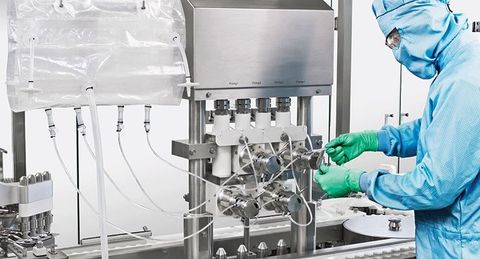
The basic principle of distillation involves heating a liquid mixture until one component vaporizes. The vapor is then cooled and condensed back into liquid form, allowing separation from other substances present in the original mixture.

Laboratory distillation systems exist because many scientific processes require highly purified substances. Researchers and technicians often need to isolate solvents, remove impurities, prepare analytical samples, or recover chemicals for further study.

Common laboratory distillation equipment includes:

Equipment ComponentPurpose
Distillation FlaskHolds the liquid mixture
Heating MantleProvides controlled heating
ThermometerMeasures vapor temperature
CondenserCools vapor into liquid
Receiving FlaskCollects distilled liquid
Support Stand and ClampsStabilizes the setup
Vacuum PumpSupports reduced-pressure distillation

Different types of distillation methods include:

  • Simple distillation
  • Fractional distillation
  • Vacuum distillation
  • Steam distillation
  • Short-path distillation
  • Molecular distillation

These methods are selected according to the properties of the materials being processed and the desired level of separation.

Why Laboratory Distillation Equipment Matters

Laboratory distillation equipment plays a critical role in modern science and industry. Accurate separation and purification processes support research quality, product safety, environmental monitoring, and scientific innovation.

Many sectors rely on distillation technology, including:

  • Pharmaceutical research
  • Chemical engineering
  • Biotechnology
  • Environmental science
  • Food and beverage testing
  • Academic laboratories
  • Petrochemical analysis
  • Material science research

One important benefit is solvent purification. Laboratories frequently reuse solvents after purification, reducing waste and supporting sustainable laboratory practices.

Another significant application involves analytical testing. Distillation helps prepare samples for laboratory analysis, ensuring reliable and reproducible results.

The technology also contributes to environmental protection by helping scientists identify contaminants in water, soil, and industrial samples.

The following chart illustrates common application areas:

Application AreaTypical Use
Pharmaceutical ResearchSolvent purification and compound isolation
Environmental TestingWater quality analysis
Chemical ResearchCompound separation
BiotechnologySample preparation
Food ScienceFlavor and aroma extraction
Petrochemical StudiesFraction analysis

As scientific standards become more rigorous, demand for accurate laboratory processes continues to grow. Distillation remains a foundational technique that supports quality assurance and scientific reliability.

Recent Developments and Trends

The laboratory equipment sector has experienced several notable developments during 2025 and 2026.

One major trend is the increasing adoption of automated distillation systems. Modern equipment now includes digital controls, programmable temperature management, automated monitoring, and integrated data recording features.

Another important development is improved energy efficiency. Manufacturers have introduced heating systems designed to reduce energy consumption while maintaining precise temperature control.

Digital laboratory management is also becoming more common. Many newer systems can integrate with laboratory information management systems (LIMS), allowing researchers to document and track experimental processes more effectively.

Recent industry reports published during 2025 highlighted growing interest in:

  • Smart laboratory automation
  • Internet-connected laboratory instruments
  • Sustainable laboratory operations
  • Advanced vacuum distillation technologies
  • High-purity solvent recovery systems

Research institutions have also increased focus on green chemistry practices. Distillation equipment is increasingly designed to support solvent recovery and waste reduction initiatives.

Emerging technologies include:

TrendImpact
AutomationReduced manual intervention
Digital MonitoringImproved data accuracy
Smart SensorsEnhanced process control
Energy-Efficient HeatingLower resource consumption
Integrated Software SystemsBetter laboratory management

These developments reflect broader scientific goals of improving efficiency, reproducibility, and environmental responsibility.

Regulatory and Policy Considerations

Laboratory distillation equipment is often subject to various safety, environmental, and operational regulations.

Requirements vary depending on the country, laboratory type, and materials involved. Regulatory frameworks typically focus on:

  • Laboratory safety standards
  • Chemical handling procedures
  • Environmental protection requirements
  • Occupational health guidelines
  • Hazardous substance management

Many laboratories follow internationally recognized standards developed by organizations such as:

  • International Organization for Standardization (ISO)
  • Occupational safety authorities
  • Environmental protection agencies
  • National laboratory accreditation bodies

Good Laboratory Practice (GLP) principles often influence the use and maintenance of distillation systems. These principles help ensure consistency, reliability, and documentation of laboratory activities.

Laboratories working with volatile chemicals may also need to comply with regulations covering:

  • Ventilation requirements
  • Chemical storage procedures
  • Waste disposal protocols
  • Fire prevention measures
  • Equipment inspection schedules

The table below summarizes common compliance areas:

Compliance AreaPurpose
Laboratory SafetyProtect personnel
Chemical ManagementReduce exposure risks
Environmental ControlsLimit contamination
Equipment MaintenanceEnsure reliability
Documentation StandardsSupport traceability

Researchers should consult applicable local regulations and institutional policies before operating distillation systems.

Helpful Tools and Resources

A variety of tools and resources can support laboratory distillation activities and scientific learning.

Common resources include:

  • Laboratory information management systems (LIMS)
  • Chemical compatibility databases
  • Safety data sheet (SDS) repositories
  • Scientific calculation software
  • Laboratory maintenance logs
  • Experimental record templates

Useful categories of digital tools include:

Resource TypePurpose
Boiling Point CalculatorsEstimate separation conditions
Vapor Pressure CalculatorsAnalyze liquid behavior
Chemical DatabasesAccess compound properties
Laboratory Documentation SoftwareRecord procedures
Safety Management PlatformsTrack hazards
Calibration Tracking ToolsMonitor equipment performance

Educational resources often include:

  • University laboratory manuals
  • Scientific journals
  • Chemistry textbooks
  • Professional association publications
  • Laboratory safety guides
  • Technical application notes

Researchers frequently use these resources to improve experimental planning, maintain compliance, and increase process accuracy.

Practical Advice for Using Laboratory Distillation Equipment

Proper operation contributes to both safety and scientific accuracy.

Before beginning a distillation procedure:

  • Inspect glassware for cracks or damage.
  • Verify secure connections between components.
  • Confirm appropriate temperature measurement placement.
  • Review chemical safety information.
  • Ensure adequate ventilation.

During operation:

  • Monitor temperature continuously.
  • Avoid excessive heating.
  • Observe vapor flow and condensation rates.
  • Record experimental conditions.
  • Follow laboratory safety procedures.

After completion:

  • Allow equipment to cool.
  • Clean components carefully.
  • Inspect seals and connections.
  • Document results.
  • Store equipment appropriately.

The following workflow illustrates a typical process:


Sample Preparation
        ↓
Equipment Assembly
        ↓
Temperature Control
        ↓
Vapor Generation
        ↓
Condensation
        ↓
Collection
        ↓
Documentation


Consistent procedures help improve reproducibility and reduce the likelihood of operational errors.

Frequently Asked Questions

What is the main purpose of laboratory distillation equipment?

Laboratory distillation equipment is used to separate, purify, recover, or isolate liquids based on differences in boiling points. It is widely used in chemistry, pharmaceutical research, and analytical laboratories.

What is the difference between simple and fractional distillation?

Simple distillation is generally used when boiling points differ significantly. Fractional distillation uses a fractionating column and is better suited for separating liquids with closer boiling points.

Why is vacuum distillation used?

Vacuum distillation lowers the boiling point of substances by reducing pressure. This helps process temperature-sensitive compounds that may degrade under normal atmospheric conditions.

What safety precautions are important during distillation?

Important precautions include proper ventilation, use of protective equipment, temperature monitoring, inspection of glassware, and adherence to laboratory safety procedures.

Which industries commonly use laboratory distillation systems?

Industries that frequently use distillation equipment include pharmaceuticals, biotechnology, environmental testing, petrochemicals, food science, academic research, and chemical manufacturing.

How often should laboratory distillation equipment be maintained?

Maintenance schedules vary by laboratory and equipment type, but regular inspections, cleaning, calibration checks, and documentation reviews are generally recommended to ensure reliable performance.

Conclusion

Laboratory distillation equipment remains an essential part of modern scientific research and analytical testing. By enabling the separation and purification of liquids, these systems support a wide range of applications across chemistry, biotechnology, environmental science, pharmaceutical development, and industrial research.

Recent advances in automation, digital monitoring, energy efficiency, and laboratory software integration continue to improve the effectiveness of distillation processes. At the same time, safety regulations, environmental requirements, and quality standards help guide responsible operation.

Understanding the components, applications, regulations, and practical considerations associated with laboratory distillation equipment can help researchers, students, and laboratory professionals use these systems more effectively while maintaining accuracy, consistency, and safety in scientific work.


author-image

Harshit Sharma

We are a performance-driven media buying team focused on scaling brands through smart, data-backed advertising strategies

July 16, 2026 . 8 min read