Plaster Spraying Machines Explained: Explore Guide, Basics, Tips, Insights, Knowledge, Facts, and Helpful Resources
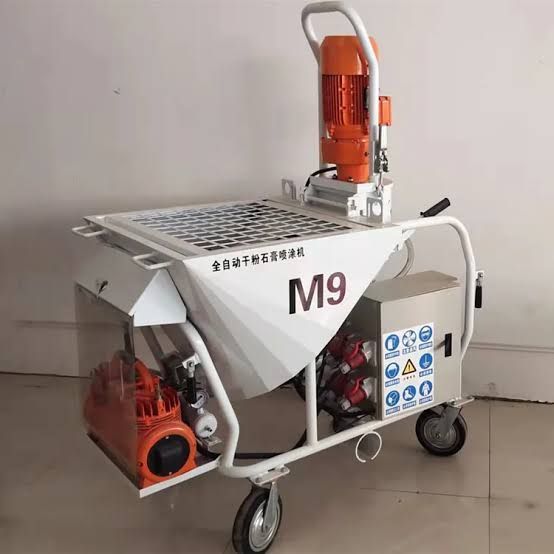
Plaster spraying machines are specialized construction equipment designed to apply plaster, mortar, render, and similar materials onto walls, ceilings, and other building surfaces. These machines help distribute material evenly and efficiently, supporting construction projects that require consistent finishes across large areas.
The development of plaster spraying technology emerged from the need to improve productivity, reduce manual labor intensity, and achieve more uniform surface coverage. Traditional plaster application methods often require extensive manual effort, while mechanized spraying systems help streamline the process.
Today, plaster spraying machines are commonly used in residential construction, commercial developments, infrastructure projects, renovation work, and industrial facilities. As modern construction practices increasingly focus on efficiency and quality control, these machines have become an important part of building operations.
Key Components of a Plaster Spraying Machine
Most systems include:
- Material hopper
- Mixing chamber
- Pumping mechanism
- Spray hose
- Spray nozzle
- Air compressor connection
- Control panel
These components work together to move plaster material from the machine to the application surface while maintaining consistent flow and pressure.
Common Types of Plaster Spraying Machines
| Machine Type | Typical Application |
|---|---|
| Manual Feed Machines | Small projects and renovation work |
| Continuous Mixing Machines | Medium and large construction sites |
| Pneumatic Spray Systems | Decorative and finishing applications |
| Hydraulic Spray Machines | Heavy-duty industrial projects |
| Multi-Material Sprayers | Plaster, mortar, and render applications |
Why Plaster Spraying Machines Matter Today
The construction industry continues to face growing demands for faster project completion, improved quality standards, and better resource management. Plaster spraying machines help address these challenges through automation and process consistency.
Large-scale developments often require extensive wall finishing work. Applying plaster manually across thousands of square meters can be time-consuming and physically demanding. Mechanized spraying technology allows teams to complete work more efficiently while maintaining surface uniformity.
Several groups benefit from these machines:
- Construction contractors
- Building developers
- Infrastructure project managers
- Renovation specialists
- Facility maintenance teams
- Industrial construction firms
Problems These Machines Help Solve
Common construction challenges include:
- Uneven plaster thickness
- Surface inconsistencies
- Material wastage
- Extended project timelines
- Labor-intensive application processes
- Difficulty covering large wall areas
By improving application consistency, plaster spraying equipment can support quality control objectives and reduce rework requirements.
Benefits Often Associated with Modern Systems
| Area | Potential Advantage |
|---|---|
| Productivity | Faster material application |
| Consistency | More uniform surface coverage |
| Resource Management | Reduced material waste |
| Scalability | Suitable for larger projects |
| Quality Control | Better finish consistency |
| Safety | Reduced repetitive manual work |
Industry Trends and Recent Updates
The plaster spraying machine industry has experienced several notable developments during 2025 and 2026.
Construction equipment manufacturers have continued integrating digital monitoring systems into modern machines. These systems allow operators to monitor pressure levels, material flow rates, and machine performance through digital interfaces.
Environmental considerations have also become increasingly important. Many manufacturers have focused on improving material efficiency and reducing waste generated during construction activities.
Another significant trend is the adoption of automated mixing technologies. Newer systems can help maintain consistent material mixtures, reducing variability between batches.
Recent Industry Developments
| Period | Industry Trend |
|---|---|
| 2025 | Increased adoption of smart equipment monitoring |
| 2025 | Growth in sustainable construction technologies |
| Late 2025 | Expanded use of automated material management |
| 2026 | Greater integration with digital construction workflows |
| 2026 | Improved energy-efficient machine designs |
Building Information Modeling (BIM) and digital construction management platforms are also influencing how construction equipment is selected and utilized on project sites.
Focus on Sustainable Construction
Recent construction initiatives worldwide have emphasized:
- Resource efficiency
- Reduced material waste
- Energy-conscious operations
- Improved project planning
- Enhanced construction quality standards
Plaster spraying technology aligns with several of these objectives by supporting controlled material application and consistent surface finishing.
Regulations and Policy Considerations
Construction equipment is typically influenced by various safety, environmental, and workplace regulations. The specific requirements vary depending on jurisdiction, project type, and operating environment.
Workplace Safety Standards
Many countries require construction equipment operators to follow workplace safety guidelines that may address:
- Equipment operation procedures
- Personal protective equipment (PPE)
- Dust management practices
- Noise exposure controls
- Equipment maintenance requirements
Organizations often rely on occupational health and safety frameworks to ensure construction activities are conducted responsibly.
Environmental Regulations
Environmental policies increasingly influence construction methods. Relevant areas may include:
- Dust emission management
- Waste reduction practices
- Material handling procedures
- Construction site environmental controls
Many public infrastructure projects now include sustainability objectives that encourage efficient use of construction materials.
Building Codes and Construction Standards
Construction projects generally operate under:
- National building codes
- Structural standards
- Fire safety requirements
- Material performance regulations
- Quality assurance guidelines
While plaster spraying machines themselves do not determine compliance, they support the application of materials according to project specifications.
Government Infrastructure Programs
Infrastructure modernization programs in many regions continue to support:
- Residential development
- Commercial construction
- Public facility upgrades
- Transportation infrastructure
- Urban redevelopment
These initiatives contribute to ongoing demand for advanced construction technologies and equipment.
Useful Tools and Resources
Professionals working with plaster spraying technology often use a variety of tools and resources to improve planning, execution, and project management.
Construction Planning Resources
Helpful resources include:
- Building Information Modeling (BIM) platforms
- Project scheduling software
- Material estimation calculators
- Construction productivity trackers
- Site inspection applications
Equipment Management Tools
Common categories include:
- Preventive maintenance systems
- Equipment utilization dashboards
- Fleet management software
- Digital inspection checklists
- Asset tracking platforms
Material Calculation Resources
The following calculations are frequently used during planning:
| Calculation Type | Purpose |
|---|---|
| Wall Area Calculator | Determine coverage requirements |
| Material Volume Calculator | Estimate plaster quantity |
| Productivity Calculator | Assess project timelines |
| Surface Measurement Tools | Evaluate application areas |
| Equipment Utilization Tracker | Monitor operational efficiency |
Educational Resources
Construction professionals often reference:
- Industry publications
- Technical manuals
- Equipment operation guides
- Construction standards documentation
- Occupational safety resources
Construction Technology Adoption Trend
The chart below illustrates a simplified representation of technology adoption trends within modern construction operations.
| Technology Area | Adoption Trend |
|---|---|
| Manual Methods | Moderate |
| Basic Mechanization | High |
| Digital Monitoring | Growing |
| Automated Mixing | Growing |
| Smart Construction Systems | Increasing Rapidly |
This trend highlights the industry's gradual movement toward greater automation and digital integration.
Frequently Asked Questions
What is a plaster spraying machine used for?
A plaster spraying machine applies plaster, mortar, render, and similar construction materials onto walls, ceilings, and building surfaces using a mechanized spraying process.
Can plaster spraying machines be used on residential projects?
Yes. These machines are commonly used in residential construction, apartment developments, renovation projects, and commercial buildings.
What materials can typically be applied through these machines?
Depending on machine specifications, materials may include plaster, cement render, gypsum-based products, mortar mixtures, insulation coatings, and decorative finishes.
Are plaster spraying machines suitable for large construction sites?
Many models are specifically designed for medium-to-large construction projects where consistent application and productivity are important considerations.
What safety practices are important when using these machines?
Common safety measures include wearing protective equipment, following operating instructions, conducting routine inspections, managing dust exposure, and adhering to workplace safety regulations.
How does technology influence modern plaster spraying equipment?
Modern systems increasingly incorporate digital controls, automated mixing functions, performance monitoring tools, and data-driven maintenance features that help improve operational efficiency.
Conclusion
Plaster spraying machines represent an important advancement in modern construction technology. By supporting consistent material application, improved productivity, and better resource management, these machines help address many challenges associated with traditional plastering methods.
As construction projects continue to become larger and more complex, the role of mechanized finishing equipment is expected to remain significant. Recent developments in digital monitoring, automated mixing, sustainability initiatives, and construction technology integration demonstrate how the industry continues to evolve.
Understanding the capabilities, regulations, operational considerations, and available resources related to plaster spraying machines can help construction professionals, project managers, and industry observers better appreciate their role within today's built environment.