Learn About Extrusion Blow Molding Machines: Explore Facts, Knowledge, Tips, Suggestions, Insights, and Guide
Extrusion blow molding machines are industrial manufacturing systems used to produce hollow plastic products. These machines play an important role in modern packaging, automotive manufacturing, industrial storage, and consumer goods production. Common products created through this process include plastic bottles, containers, fuel tanks, drums, and various hollow components.
The technology was developed to address the need for lightweight, durable, and efficiently produced plastic products. Over time, extrusion blow molding has become one of the most widely used manufacturing methods because it allows consistent production of complex hollow shapes.
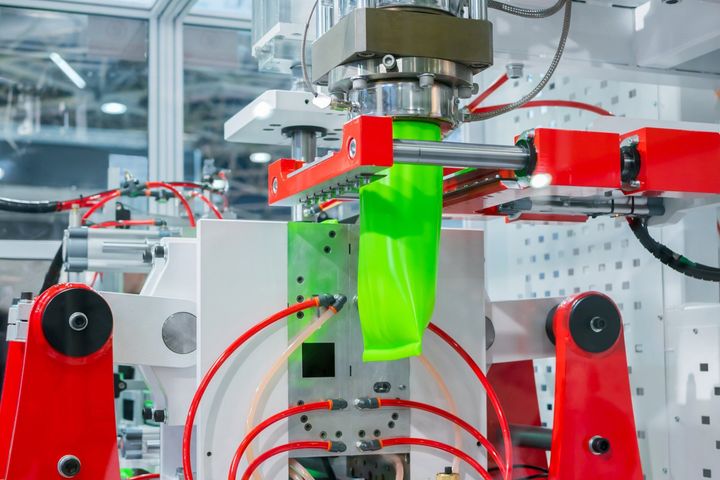
In a typical process, plastic material is heated until it becomes molten and is then extruded into a tube-like shape called a parison. The parison is enclosed within a mold, and compressed air expands the material against the mold walls, forming the final product. After cooling, the product is removed and prepared for further processing.
Today, industries often integrate advanced manufacturing technology, industrial automation systems, production monitoring software, and predictive maintenance tools to improve efficiency and quality.
Key Components of an Extrusion Blow Molding Machine
| Component | Purpose |
|---|---|
| Extruder | Melts and transports plastic material |
| Die Head | Forms the molten plastic into a parison |
| Mold System | Shapes the final product |
| Blow Pin | Introduces compressed air |
| Cooling System | Controls product solidification |
| Control Panel | Monitors and manages machine operations |
Why Extrusion Blow Molding Machines Matter
Extrusion blow molding technology supports many industries that rely on plastic packaging and industrial containers. The process helps manufacturers create lightweight products while maintaining strength and durability.
Several sectors depend on these machines:
- Packaging and container manufacturing
- Automotive component production
- Chemical storage industries
- Pharmaceutical packaging
- Food and beverage packaging
- Household product manufacturing
The technology helps solve challenges related to product consistency, material efficiency, and large-scale manufacturing. Modern machines are capable of producing thousands of identical components while maintaining strict quality requirements.
Benefits for Industry and Manufacturing
The importance of extrusion blow molding extends beyond production volume.
Benefits include:
- Consistent product dimensions
- Efficient use of raw materials
- Support for recyclable plastics
- Integration with industrial automation
- Reduced manufacturing waste
- Compatibility with advanced quality control systems
Many facilities now combine blow molding equipment with industrial IoT platforms and manufacturing analytics software. These systems provide real-time monitoring and improve operational performance.
Common Materials Used
Different plastics are selected depending on product requirements.
| Material | Typical Applications |
|---|---|
| HDPE | Bottles, drums, containers |
| LDPE | Flexible packaging products |
| PP | Industrial and consumer products |
| PETG | Specialty containers |
| PVC | Technical and industrial applications |
Material selection depends on durability requirements, chemical resistance, temperature exposure, and regulatory standards.
Recent Industry Updates and Trends
The extrusion blow molding industry has experienced several developments during 2025 and 2026. Manufacturing facilities continue adopting smart factory technologies and sustainability-focused production methods.
One notable trend is the increasing use of recycled plastic materials in blow molding operations. Many manufacturers have expanded the use of recycled content to support environmental objectives and reduce material waste.
Another major development involves artificial intelligence and machine learning integration. Modern control systems can analyse production data, identify performance variations, and improve machine efficiency through automated adjustments.
Industry Trends Overview
| Trend | Industry Impact |
|---|---|
| Smart Manufacturing | Improved monitoring and automation |
| Industrial IoT Integration | Real-time production insights |
| Recycled Material Usage | Supports sustainability goals |
| Energy-Efficient Equipment | Reduced energy consumption |
| Predictive Maintenance | Fewer unexpected interruptions |
| Digital Quality Inspection | Enhanced product consistency |
Technology Adoption Growth
Smart Manufacturing Adoption

2022  ████████ 40%
2023  ██████████ 50%
2024  ████████████ 60%
2025  ██████████████ 70%
2026  ████████████████ 80%
Many machine manufacturers have also introduced advanced servo-driven systems during 2025 and 2026. These systems improve precision and help optimise production performance.
Digital twin technology has become another area of interest. Manufacturing teams can simulate production processes before implementation, reducing operational risks and improving planning accuracy.
Sustainability and Circular Economy Focus
Environmental initiatives continue influencing the plastics industry. Manufacturers increasingly focus on:
- Recyclable packaging solutions
- Material recovery systems
- Reduced production waste
- Energy management technologies
- Sustainable manufacturing practices
These developments reflect broader efforts to improve environmental performance while maintaining production efficiency.
Regulations and Policy Considerations
Extrusion blow molding operations are influenced by several regulatory frameworks. Requirements vary between countries and regions, but most regulations focus on environmental compliance, workplace safety, and product quality.
Environmental regulations often address:
- Plastic waste management
- Recycling targets
- Emissions monitoring
- Energy efficiency requirements
- Material traceability standards
Occupational safety regulations may cover:
- Machine guarding requirements
- Worker safety procedures
- Equipment maintenance protocols
- Noise exposure limits
- Emergency shutdown systems
Regulatory Areas Affecting Manufacturers
| Regulatory Area | Focus |
|---|---|
| Environmental Compliance | Waste reduction and emissions |
| Product Safety Standards | Consumer protection |
| Workplace Safety Rules | Employee safety |
| Recycling Policies | Circular economy goals |
| Manufacturing Standards | Process consistency |
Many governments have introduced programs supporting advanced manufacturing, industrial automation, and sustainable production technologies. These initiatives encourage investment in energy-efficient equipment and improved resource management systems.
Companies operating extrusion blow molding equipment typically follow recognised quality management frameworks and environmental management standards to maintain compliance.
Helpful Tools and Resources
A variety of digital tools assist professionals working with extrusion blow molding processes.
Manufacturing Execution Systems (MES)
These platforms help monitor production performance, machine utilisation, and operational efficiency.
Computer-Aided Design (CAD) Software
CAD tools assist with mold design, product development, and engineering analysis.
Industrial Automation Platforms
Automation systems improve process control and production consistency.
Energy Monitoring Software
These tools track equipment performance and energy consumption patterns.
Material Flow Calculators
Engineers use these calculators to estimate production parameters and optimise manufacturing processes.
Simulation Software
Simulation platforms help evaluate mold performance and production scenarios before implementation.
Useful resource categories include:
- Manufacturing standards organisations
- Plastics engineering associations
- Industrial automation resources
- Environmental compliance databases
- Technical training platforms
- Production analytics software
Practical Insights for Understanding the Technology
When studying extrusion blow molding machines, several factors are worth considering.
Production quality depends on:
- Material characteristics
- Mold design
- Temperature control
- Air pressure settings
- Cooling performance
- Machine maintenance practices
Understanding these variables helps explain how manufacturers achieve consistent product quality.
Modern facilities increasingly rely on connected equipment that generates operational data. This information supports decision-making and helps improve manufacturing outcomes.
Frequently Asked Questions
What is an extrusion blow molding machine?
An extrusion blow molding machine is industrial equipment that produces hollow plastic products by extruding molten plastic into a parison and expanding it within a mold using compressed air.
Which industries use extrusion blow molding technology?
Industries such as packaging, automotive manufacturing, pharmaceuticals, chemical storage, household goods, and consumer products commonly use extrusion blow molding processes.
What materials can be processed with extrusion blow molding machines?
Common materials include high-density polyethylene (HDPE), low-density polyethylene (LDPE), polypropylene (PP), PETG, and certain specialised plastic compounds.
How does automation improve extrusion blow molding operations?
Automation improves process consistency, monitoring, predictive maintenance, production efficiency, and quality control through real-time data analysis and machine optimisation.
Why is sustainability becoming important in blow molding?
Sustainability initiatives encourage the use of recyclable materials, waste reduction strategies, energy-efficient equipment, and environmentally responsible manufacturing practices.
What are the main advantages of extrusion blow molding?
The process supports high-volume production, consistent product quality, efficient material utilisation, and the creation of complex hollow plastic products.
Conclusion
Extrusion blow molding machines remain an essential part of modern manufacturing. Their ability to produce durable hollow plastic products efficiently has made them valuable across packaging, automotive, industrial, and consumer sectors.
Recent developments in smart manufacturing, industrial automation, digital monitoring, predictive maintenance, and sustainability initiatives continue shaping the future of this technology. Regulatory requirements related to environmental compliance, recycling, and workplace safety also influence how facilities operate and evolve.
As manufacturing technology advances, extrusion blow molding machines are expected to become increasingly connected, data-driven, and resource-efficient. Understanding the process, applications, trends, regulations, and supporting tools provides valuable insight into one of the most important technologies used in modern plastics manufacturing.