Wireless Charging Receiver: Guide to Wireless Charging Technology and Compatibility
Wireless charging has changed the way people power their electronic devices. Instead of connecting cables every time a battery becomes low, users can simply place a device on a charging pad and let energy transfer automatically.
This technology is becoming common in homes, vehicles, workplaces, and public spaces because it makes charging simpler and more organized.
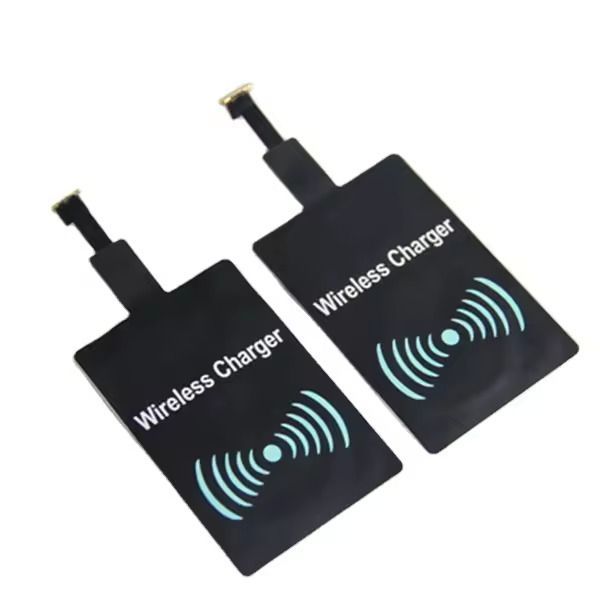
A wireless charging receiver plays an important role in this process. It allows compatible devices to receive energy from a wireless charging transmitter. Many modern smartphones already include this feature internally, while some older devices use external receiver attachments.
Today, wireless charging is expanding beyond phones. Tablets, wearable devices, and even laptops are becoming part of this growing ecosystem. Technologies such as universal wireless charging receiver systems and automotive wireless charging integration are helping users experience easier charging in daily life.
Understanding how wireless charging works can help users choose compatible devices and use the technology more effectively.
Understanding the Concept
Wireless charging is a method of transferring electrical energy without a direct cable connection. The process uses electromagnetic fields to move energy from a charging pad to a receiving device.
The system normally includes two main parts:
- Transmitter
- Receiver
The transmitter is located inside the charging pad or charging station. The receiver is installed inside the device or connected externally.
When a device is placed on the charging surface, energy moves between coils inside both components. The receiver converts that energy into electrical power that charges the battery.
A universal wireless charging receiver is designed to work with different device models and charging systems. This makes compatibility easier for users who own multiple devices.
Wireless charging technology is often based on standards such as Qi charging, which helps devices from different manufacturers work together safely and efficiently.
Key Types or Categories
Wireless charging receivers come in different forms depending on the device and application.
Built-In Wireless Charging Receivers
Many modern smartphones include internal receivers directly inside the device. Users only need a compatible charging pad.
Common examples include:
- Smartphones
- Smartwatches
- Wireless earbuds
- Tablets
Built-in systems usually provide a clean and convenient charging experience.
External Wireless Charging Receivers
Some devices do not include wireless charging hardware internally. External receivers can add compatibility through charging ports.
These receivers are commonly used with:
- Older smartphones
- Tablets
- Portable electronic devices
External receivers are usually thin and lightweight, making them easy to attach.
Wireless Charging Receiver for Laptops
Laptop charging through wireless systems is becoming more advanced. A wireless charging receiver for laptops typically uses higher energy transfer levels compared to smartphone charging.
These systems may include:
- Larger charging pads
- Specialized receiver modules
- Advanced heat management
Wireless laptop charging is especially useful in offices, study areas, and conference rooms where cable clutter can become a problem.
Automotive Charging Receivers
Automotive wireless charging integration is becoming common in modern vehicles. Many vehicles now include charging pads inside the center console or dashboard area.
These systems help drivers keep devices charged during travel without connecting cables.
Vehicle charging systems often include:
- Anti-slip charging surfaces
- Automatic device detection
- Temperature monitoring
- Battery protection features
Important Subsections
Qi Charging Standard
Qi is one of the most widely used wireless charging standards. It helps devices from different manufacturers communicate correctly with charging pads.
Qi systems focus on:
- Safety
- Energy efficiency
- Device compatibility
- Stable charging performance
Charging Speed Levels
Wireless charging systems support different charging speeds.
Common levels include:
- Standard charging
- Fast charging
- Enhanced power charging
Charging speed depends on:
- Device compatibility
- Receiver quality
- Charging pad output
- Heat conditions
Receiver Coil Design
The receiver coil is one of the most important components in wireless charging technology.
The coil affects:
- Charging stability
- Power transfer efficiency
- Device alignment
- Heat generation
Better coil positioning can improve charging performance and reduce energy loss.
How It Works
Wireless charging may seem complex, but the process can be understood in simple steps.
Step 1: Power Reaches the Charging Pad
Electricity enters the charging pad through a power connection.
Step 2: Magnetic Field Generation
The transmitter coil inside the pad creates an electromagnetic field.
Step 3: Receiver Detects the Field
The wireless charging receiver inside the device detects the electromagnetic energy.
Step 4: Energy Conversion
The receiver converts the electromagnetic energy into electrical current.
Step 5: Battery Charging Begins
The electrical current charges the battery safely and steadily.
Many systems also include communication between the receiver and transmitter. This helps control charging speed and temperature.
Benefits and Advantages
Wireless charging technology provides several practical advantages for users.
Reduced Cable Clutter
Wireless charging removes the need for multiple charging cables on desks, tables, and vehicle interiors.
Easier Daily Charging
Users can simply place devices on a charging pad instead of plugging in connectors repeatedly.
Reduced Port Wear
Frequent cable insertion can damage charging ports over time. Wireless charging reduces physical contact with ports.
Improved Convenience in Vehicles
Automotive wireless charging integration helps drivers keep devices charged without dealing with cables during travel.
Multi-Device Charging Possibilities
Some charging stations support multiple devices at the same time.
Examples include:
- Phone and smartwatch charging
- Earbuds and tablet charging
- Shared family charging stations
Cleaner Workspaces
Wireless charging stations help maintain organized office and home environments.
Better Water Resistance Support
Devices without exposed charging ports may improve protection against moisture and dust.
Real-World Examples or Applications
Wireless charging technology is now used in many everyday situations.
Home Environments
Many households place charging pads near beds, desks, and living room tables.
This allows:
- Overnight charging
- Easy access during the day
- Cleaner room organization
Offices and Workspaces
Workplaces often include shared charging stations in meeting rooms and desks.
Employees can quickly recharge devices during work hours.
Vehicles and Transportation
Automotive wireless charging integration is now available in many modern vehicles.
Drivers benefit from:
- Easy phone charging
- Reduced cable distractions
- Organized dashboard areas
Public transportation systems are also experimenting with wireless charging features.
Airports and Public Areas
Some airports, cafes, and waiting lounges include wireless charging surfaces for travelers.
This creates more convenient charging access during long trips.
Education Environments
Schools and universities increasingly use wireless charging furniture and study stations.
Students can keep devices powered during classes and study sessions.
Important Factors to Understand
Wireless charging is convenient, but users should understand several important factors before using the technology regularly.
Device Compatibility
Not all devices support wireless charging automatically.
Users should verify:
- Charging standard support
- Receiver compatibility
- Power requirements
A universal wireless charging receiver can improve compatibility across multiple devices.
Heat Generation
Wireless charging may produce more heat than traditional cable charging.
Excess heat can affect:
- Battery health
- Charging efficiency
- Device comfort
Good ventilation helps improve performance.
Device Alignment
Correct positioning on the charging pad is important.
Poor alignment may result in:
- Slow charging
- Interrupted charging
- Energy loss
Many charging pads now include alignment guides.
Charging Efficiency
Wireless systems may transfer energy less efficiently compared to direct cable charging.
Efficiency depends on:
- Coil quality
- Distance between coils
- Device positioning
- Charging technology generation
Protective Cases
Some thick or metallic phone cases may interfere with charging performance.
Users should ensure cases support wireless charging compatibility.
Future Trends and Industry Insights
Wireless charging technology continues to evolve rapidly.
Several industry trends are shaping the future of wireless power systems.
Longer Distance Charging
Researchers are exploring charging systems that work over greater distances without direct contact.
This could support:
- Automatic room charging
- Smart office charging
- Continuous device power support
Faster Charging Performance
Future wireless charging systems are expected to improve energy transfer speeds significantly.
This may help support:
- Large tablets
- High-performance laptops
- Gaming devices
Expansion in Electric Transportation
Automotive wireless charging integration may eventually expand into electric vehicle charging systems.
Some concepts involve charging vehicles while parked or even while moving slowly on specialized roads.
Smart Furniture Integration
Furniture manufacturers are increasingly integrating charging technology into:
- Desks
- Tables
- Kitchen counters
- Vehicle interiors
This helps create more seamless charging experiences.
Improved Cross-Device Compatibility
Universal standards are improving compatibility between brands and device categories.
Future systems may allow easier charging across:
- Phones
- Laptops
- Wearable devices
- Smart home products
Better Energy Management
Advanced charging systems may use intelligent power management to improve safety and battery health.
Features may include:
- Adaptive charging
- Temperature balancing
- Automatic power adjustment
- Battery preservation modes
Conclusion
Wireless charging technology has become an important part of modern electronic devices. A wireless charging receiver allows devices to receive power without direct cable connections, creating a more convenient and organized charging experience.
From smartphones and wearable devices to wireless charging receiver for laptops systems, the technology continues to expand into many areas of daily life. Automotive wireless charging integration is also helping improve convenience during travel and commuting.
As compatibility standards improve and charging systems become more advanced, wireless charging is expected to become even more common in homes, workplaces, vehicles, and public environments.
Understanding how wireless charging works, the different receiver types, and the factors that affect performance can help users make better decisions when using this evolving technology.