Table of Contents

Explore Industrial Solar Panel Guide: Basics, Benefits, Installation Tips, and Energy Insights

Explore Industrial Solar Panel Guide: Basics, Benefits, Installation Tips, and Energy Insights

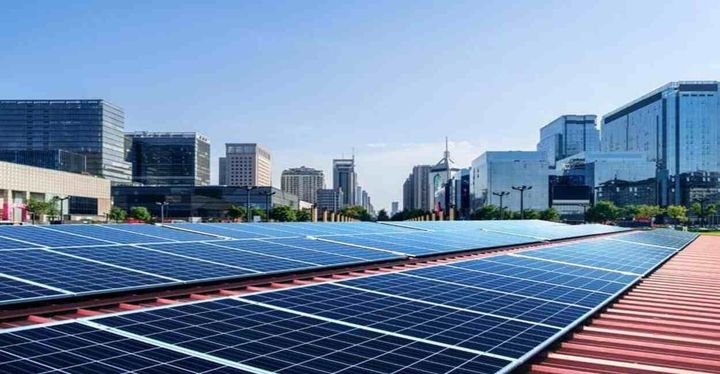
Industrial solar panels are large-scale photovoltaic systems designed to generate electricity for factories, warehouses, manufacturing facilities, logistics centers, and other commercial infrastructure. These systems convert sunlight into electrical energy using photovoltaic cells installed on rooftops, open land, parking structures, or industrial campuses.


The growth of industrial energy consumption has increased interest in renewable energy solutions. Industrial operations often require continuous electricity for machinery, lighting, cooling systems, automation equipment, and data processing. Traditional power sources can create long-term energy challenges, especially during periods of fluctuating electricity demand and rising utility expenses.

Industrial solar energy systems were developed to help organizations improve energy efficiency and reduce dependence on conventional electricity generation methods. Advances in solar technology, battery storage systems, and smart grid infrastructure have expanded the use of solar power in industrial environments across multiple sectors.

Common industrial solar panel technologies include:

  • Monocrystalline solar panels
  • Polycrystalline solar panels
  • Thin-film photovoltaic systems
  • Bifacial solar modules
  • Hybrid solar energy systems

These systems are often integrated with energy monitoring software, battery storage units, and smart energy management platforms to improve operational efficiency.

Why Industrial Solar Energy Matters Today

Industrial solar energy has become an important topic because industries represent a significant portion of global electricity consumption. Manufacturing facilities, transportation hubs, and commercial production centers require reliable power to maintain operations and productivity.

Several factors have increased interest in industrial solar infrastructure:

Key FactorIndustry Impact
Rising Electricity DemandHigher operational energy usage
Sustainability GoalsReduced environmental impact
Grid Reliability ConcernsImproved energy stability
Smart Manufacturing GrowthIncreased digital power needs
Energy DiversificationReduced dependence on single sources

Industrial solar systems may help support long-term energy planning while improving energy efficiency strategies.

Benefits of Industrial Solar Panel Systems

Industrial solar installations provide multiple operational and environmental advantages.

Energy Efficiency Improvements

Modern photovoltaic systems can support energy optimization by generating electricity during peak daylight hours. Some industrial facilities use energy management systems to monitor power generation and usage patterns.

Reduced Carbon Emissions

Solar energy produces electricity without direct greenhouse gas emissions during operation. Many industries are adopting renewable energy initiatives as part of sustainability reporting and environmental compliance programs.

Long-Term Infrastructure Planning

Solar systems are generally designed for long operational lifespans, often exceeding 20 years with routine maintenance and monitoring.

Smart Energy Monitoring

Industrial solar installations increasingly include:

  • AI-based monitoring systems
  • Smart inverters
  • Cloud-based energy dashboards
  • Predictive maintenance tools
  • Automated performance analytics

Support for Energy Storage Integration

Battery energy storage systems can store surplus electricity generated during daytime hours. Stored energy may then support nighttime operations or emergency backup requirements.

Industrial Solar Panel Installation Basics

Industrial solar installation projects involve technical planning, structural assessment, electrical integration, and energy analysis.

Common Installation Steps

Installation StagePurpose
Site AssessmentEvaluate sunlight exposure and roof condition
Energy AnalysisReview industrial electricity usage
Structural ReviewConfirm load-bearing capacity
System DesignPlan panel layout and inverter setup
Electrical IntegrationConnect to industrial power systems
Testing and MonitoringVerify system performance

Rooftop vs Ground-Mounted Systems

Industrial solar projects are generally divided into two major installation categories.

Rooftop Solar Systems

These are installed directly on industrial buildings or warehouse rooftops. They help utilize unused roof space while reducing land usage concerns.

Ground-Mounted Solar Systems

These installations are placed on dedicated land areas and are often used when facilities require larger solar capacity.

Important Technical Considerations

Before installation, industrial operators often evaluate:

  • Solar irradiance levels
  • Roof orientation and tilt
  • Local weather conditions
  • Electrical infrastructure compatibility
  • Energy storage requirements
  • Maintenance accessibility

Industrial Solar Energy Trends and Recent Updates

The industrial solar sector has experienced rapid technological and regulatory developments during the past year.

Recent Industry Developments

Increased Adoption of Bifacial Solar Panels (2025)

Bifacial solar modules, which absorb sunlight from both sides of the panel, have gained wider industrial adoption due to improved efficiency rates in large-scale installations.

Growth of AI-Powered Energy Monitoring

During 2025, industrial facilities increasingly adopted artificial intelligence systems for predictive maintenance and solar performance monitoring. These systems can help detect efficiency losses and equipment issues earlier.

Expansion of Battery Storage Integration

Battery storage technology continued to improve in 2025, supporting greater industrial interest in energy resilience and backup power management.

Smart Grid Integration Programs

Several regions expanded smart grid modernization programs during 2025 to support renewable energy integration and industrial energy balancing.

Emerging Industrial Solar Technologies

Technology TrendPurpose
Floating Solar SystemsUse of water surfaces for energy generation
Solar Tracking SystemsImproved sunlight capture
AI Energy AnalyticsReal-time efficiency monitoring
Microgrid IntegrationLocalized industrial energy management
Advanced InvertersImproved grid compatibility

Laws, Regulations, and Government Policies

Industrial solar energy systems are influenced by national energy regulations, environmental standards, building codes, and renewable energy policies.

Common Regulatory Areas

Grid Connection Standards

Industrial solar systems connected to public electricity networks must generally comply with grid synchronization and electrical safety standards.

Environmental Compliance

Large-scale industrial projects may require environmental assessments related to land use, construction impact, and infrastructure planning.

Building and Electrical Codes

Industrial solar installations often follow regulations involving:

  • Structural engineering
  • Electrical wiring standards
  • Fire safety systems
  • Equipment certification
  • Industrial workplace safety

Renewable Energy Incentive Programs

Many countries have introduced renewable energy frameworks encouraging industrial adoption of clean energy technologies. These programs may include:

  • Renewable energy certificates
  • Tax-related incentives
  • Net metering frameworks
  • Energy efficiency initiatives
  • Carbon reduction programs

International Climate and Sustainability Policies

Industrial solar energy development is also influenced by broader sustainability initiatives connected to:

  • Carbon neutrality targets
  • Renewable energy transition plans
  • Industrial emission reduction strategies
  • Sustainable infrastructure frameworks

Helpful Tools and Resources

Industrial solar planning often involves digital tools, monitoring platforms, and energy analysis software.

Useful Solar Energy Tools

Tool TypePurpose
Solar Irradiance CalculatorsEstimate sunlight availability
Energy Consumption AnalyzersTrack electricity usage
PV Design SoftwarePlan system layouts
Monitoring DashboardsReview system performance
Battery Simulation ToolsAnalyze storage capacity

Educational Resources

Helpful learning resources include:

  • Renewable energy research publications
  • Energy efficiency guides
  • Industrial sustainability reports
  • Smart grid documentation
  • Photovoltaic engineering tutorials

Common Solar Monitoring Features

Modern industrial monitoring systems may provide:

  • Real-time power generation data
  • Weather-adjusted performance analysis
  • Equipment diagnostics
  • Mobile monitoring applications
  • Automated maintenance alerts

Industrial Solar Performance Comparison

| System Type | Typical Usage Environment | Key Characteristic |
|---|---|
| Monocrystalline | Manufacturing plants | High efficiency |
| Polycrystalline | Warehouses | Balanced performance |
| Thin-Film | Large open installations | Flexible deployment |
| Bifacial Panels | Utility-scale projects | Dual-sided energy capture |

Frequently Asked Questions

What is the main purpose of industrial solar panels?

Industrial solar panels generate electricity for industrial facilities, manufacturing units, warehouses, and commercial infrastructure using solar energy.

How long do industrial solar systems usually last?

Many industrial photovoltaic systems are designed for operational lifespans of 20–30 years with routine inspection and maintenance.

What factors affect industrial solar performance?

Performance may depend on sunlight availability, weather conditions, panel orientation, dust accumulation, temperature, and equipment quality.

Can industrial solar systems work during cloudy weather?

Yes, solar panels can still generate electricity during cloudy conditions, although overall energy production may be reduced compared to clear sunlight conditions.

What is the role of battery storage in industrial solar systems?

Battery storage systems can store surplus electricity generated during the day and provide backup energy during nighttime operations or power interruptions.

Are industrial solar systems connected to the electricity grid?

Some systems operate with grid connectivity, while others may function as standalone or hybrid energy systems depending on infrastructure requirements.

Industrial Solar Energy Outlook

Industrial solar energy continues to evolve as industries seek more efficient and sustainable energy strategies. Technological advancements in photovoltaic efficiency, battery storage, smart monitoring systems, and energy analytics are shaping the future of industrial infrastructure.

The growing focus on renewable energy, industrial sustainability, and energy resilience has increased awareness of solar power solutions in manufacturing, logistics, transportation, and commercial operations. At the same time, evolving regulations and modernization initiatives continue to influence how industrial solar systems are planned and integrated.

As energy demand increases globally, industrial solar technology is expected to remain an important part of long-term energy discussions involving infrastructure development, energy diversification, and environmental planning.


author-image

Harshit Sharma

We are a performance-driven media buying team focused on scaling brands through smart, data-backed advertising strategies

May 14, 2026 . 9 min read