Dental X-Ray Equipment Overview: Discover Insights, Knowledge, Tips, Details, and Helpful Information
Dental X-ray equipment refers to imaging technology used by dental professionals to capture detailed pictures of teeth, gums, jawbones, and surrounding oral structures. These imaging systems help identify conditions that may not be visible during a standard visual examination.
The use of dental radiography has become an important part of modern oral healthcare. By creating detailed images of internal dental structures, practitioners can better understand oral conditions and monitor changes over time.
Dental imaging technology has evolved significantly over the years. Traditional film-based systems have gradually been supplemented or replaced by digital imaging equipment, which allows images to be processed and viewed electronically.
Common types of dental imaging equipment include:
- Intraoral X-ray systems
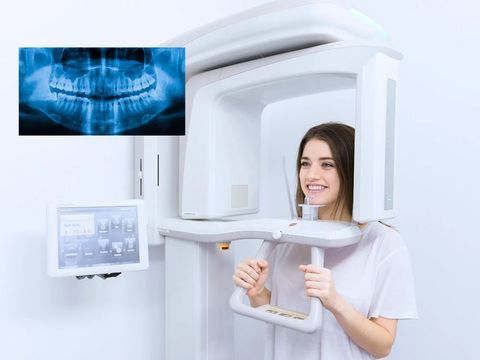
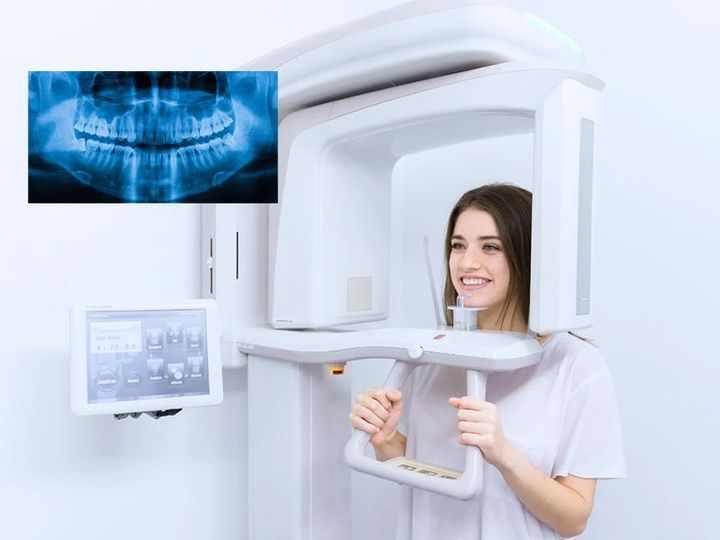
- Panoramic X-ray machines
- Cephalometric imaging systems
- Cone Beam Computed Tomography (CBCT) scanners
- Digital sensors and imaging software
These technologies support diagnostic imaging, oral health assessment, treatment planning, and long-term patient monitoring.
Why Dental X-Ray Equipment Matters
Dental X-ray equipment plays an important role in preventive and diagnostic dentistry. Many oral health conditions develop beneath the surface and cannot be identified through visual examination alone.
The technology helps healthcare professionals detect:
- Tooth decay between teeth
- Bone loss associated with periodontal disease
- Impacted teeth
- Jaw abnormalities
- Oral infections
- Developmental concerns
- Root-related conditions
The importance of dental imaging continues to grow because oral health is closely connected to overall health and well-being.
Healthcare providers, patients, educational institutions, research organizations, and public health agencies all benefit from advances in dental imaging technology.
Some key advantages include:
| Benefit | Explanation |
|---|---|
| Early Detection | Helps identify issues before symptoms become severe |
| Improved Accuracy | Provides detailed visualization of oral structures |
| Treatment Planning | Supports informed clinical decision-making |
| Patient Education | Visual images help explain conditions clearly |
| Record Keeping | Creates a documented history of oral health |
As populations age and awareness of preventive healthcare increases, dental imaging remains an essential component of modern oral health management.
Recent Updates and Industry Trends
The dental imaging field has experienced several developments over the past year.
Artificial Intelligence Integration
Throughout 2025 and early 2026, many dental imaging platforms expanded the use of artificial intelligence (AI) for image analysis. AI-assisted tools are increasingly being used to identify patterns, highlight areas of concern, and support clinical decision-making.
AI applications commonly focus on:
- Caries detection
- Bone level assessment
- Image enhancement
- Radiographic interpretation support
Growth of Digital Radiography
Digital dental radiography continues to replace traditional film systems. Digital imaging provides faster image acquisition and streamlined storage processes.
Current trends include:
- Cloud-based image management
- Improved sensor technology
- Enhanced image resolution
- Integrated patient record systems
Expansion of CBCT Technology
Cone Beam Computed Tomography (CBCT) remains one of the fastest-growing imaging technologies in dentistry.
CBCT systems provide three-dimensional imaging that supports:
- Orthodontic evaluations
- Implant planning
- Endodontic assessments
- Oral surgery planning
- Airway analysis
Increased Focus on Radiation Optimization
Recent industry guidance has emphasized minimizing radiation exposure while maintaining diagnostic image quality.
Key approaches include:
- Improved sensor sensitivity
- Optimized imaging protocols
- Dose-monitoring software
- Targeted imaging procedures
Dental Imaging Technology Trends
| Technology Trend | Current Direction |
|---|---|
| Digital X-Ray Systems | Strong adoption growth |
| AI Image Analysis | Expanding rapidly |
| Cloud Imaging Platforms | Increasing integration |
| CBCT Imaging | Continued growth |
| Radiation Optimization | High industry priority |
| Data Security Tools | Growing importance |
Laws, Regulations, and Policy Considerations
Dental X-ray equipment is regulated in many countries through health, radiation safety, and medical device frameworks.
The primary objective of these regulations is to ensure patient safety while maintaining image quality and clinical effectiveness.
Common regulatory areas include:
Radiation Protection Standards
Most jurisdictions require adherence to radiation protection principles such as:
- Justification of imaging procedures
- Optimization of exposure levels
- Appropriate equipment maintenance
- Staff training requirements
The ALARA principle ("As Low As Reasonably Achievable") remains widely recognized in dental radiology.
Medical Device Regulations
Dental imaging equipment is generally classified as a medical device and must meet established safety and performance standards before being used in clinical environments.
Regulatory authorities may evaluate:
- Equipment safety
- Manufacturing quality
- Technical performance
- Cybersecurity controls
- Software validation
Data Privacy Requirements
As dental imaging increasingly relies on digital technologies, privacy regulations have become more significant.
Organizations handling dental imaging data often follow rules related to:
- Patient consent
- Data storage
- Access control
- Cybersecurity protections
- Information retention
Quality Assurance Programs
Many healthcare systems encourage or require ongoing quality assurance measures such as:
- Equipment inspections
- Calibration procedures
- Performance testing
- Staff competency reviews
These measures help ensure reliable image quality and patient safety.
Helpful Tools and Resources
A variety of digital tools and educational resources support the effective use and understanding of dental imaging technologies.
Useful categories include:
Imaging Software Platforms
Common functions include:
- Image viewing
- Measurement tools
- Diagnostic support
- Annotation features
- Reporting workflows
Radiation Dose Calculators
These resources assist professionals in understanding and managing exposure levels during imaging procedures.
Continuing Education Resources
Educational platforms often provide information on:
- Dental radiography techniques
- Radiation safety
- Imaging interpretation
- Emerging technologies
Professional Organizations
Professional organizations frequently publish:
- Best-practice guidelines
- Research findings
- Clinical recommendations
- Educational materials
Research Databases
Healthcare professionals and students often use research databases to access:
- Scientific studies
- Technical publications
- Clinical evidence
- Imaging technology updates
Common Dental Imaging Technologies Comparison
| Imaging Type | Primary Purpose | Image Format |
|---|---|---|
| Intraoral X-Ray | Individual tooth evaluation | 2D |
| Bitewing Imaging | Detecting decay between teeth | 2D |
| Panoramic Imaging | Full mouth overview | 2D |
| Cephalometric Imaging | Orthodontic assessment | 2D |
| CBCT Imaging | Detailed anatomical analysis | 3D |
Dental Imaging Workflow Overview
Patient Assessment
        │
        ▼
Imaging Requirement Identified
        │
        ▼
Image Acquisition
        │
        ▼
Digital Processing
        │
        ▼
Image Interpretation
        │
        ▼
Clinical Documentation
        │
        ▼
Monitoring and Follow-Up
Frequently Asked Questions
What is dental X-ray equipment used for?
Dental X-ray equipment is used to create images of teeth, bones, and surrounding oral structures. These images help identify conditions that may not be visible during a routine examination.
Are digital dental X-rays different from traditional X-rays?
Yes. Digital dental X-rays use electronic sensors instead of film. Images are processed digitally and can be viewed immediately on a computer system.
What is CBCT in dentistry?
CBCT, or Cone Beam Computed Tomography, is a specialized imaging technology that creates three-dimensional images of oral and facial structures. It is commonly used for advanced diagnostic and treatment-planning purposes.
Why are radiation safety standards important?
Radiation safety standards help ensure that imaging procedures use appropriate exposure levels while maintaining diagnostic image quality. These standards support patient and healthcare worker protection.
How often does dental imaging technology change?
Dental imaging technology continues to evolve through improvements in software, digital sensors, artificial intelligence, data security, and image quality. New advancements are introduced regularly through research and technological development.
Conclusion
Dental X-ray equipment remains a fundamental component of modern oral healthcare. From traditional intraoral imaging to advanced CBCT systems, these technologies provide valuable insights into dental and facial structures that cannot be observed through visual examination alone.
Recent developments in artificial intelligence, digital radiography, cloud-based imaging, and radiation optimization are shaping the future of dental diagnostics. At the same time, regulatory frameworks and safety standards continue to guide responsible use and patient protection.
As imaging technologies advance, dental professionals, educators, researchers, and healthcare organizations will continue to rely on accurate diagnostic imaging to support informed decision-making, improve clinical understanding, and enhance oral health outcomes. The combination of technological innovation, safety-focused policies, and evidence-based practice ensures that dental imaging remains an important part of modern healthcare systems worldwide.