Garbage Disposal Repair: Complete Guide to Common Problems, Repair Methods, Maintenance, and Prevention
A garbage disposal is an important kitchen appliance that helps break down food waste, making cleanup easier and reducing the amount of waste sent to trash bins.
Over time, continuous use may lead to performance issues such as unusual noises, slow drainage, leaks, or the disposal failing to operate. Understanding the basics of garbage disposal repair can help homeowners identify common problems, perform routine inspections, and keep the unit functioning efficiently.
This guide explains the most common garbage disposal issues, repair methods, essential components, maintenance practices, and preventive measures for reliable long-term operation.
Common Garbage Disposal Problems
Several issues can affect the performance of a garbage disposal.
Disposal Won't Turn On
Possible causes include:
- Power interruption
- Tripped reset button
- Loose electrical connection
- Motor overload
Slow Drainage
Slow drainage may occur because of:
- Food buildup
- Grease accumulation
- Partial drain blockage
- Improper waste disposal
Unusual Grinding Noises
Grinding or rattling sounds often indicate:
- Foreign objects inside the grinding chamber
- Loose internal components
- Worn grinding plates
Water Leaks
Leaks may develop around:
- Sink flange
- Drain connections
- Dishwasher connection
- Disposal housing
Frequent Jamming
A disposal may jam when processing:
- Fibrous food waste
- Hard materials
- Excessive food at one time
- Non-food objects
Main Causes of Garbage Disposal Failure
Several factors contribute to disposal problems.
Improper Food Disposal
Items such as grease, bones, coffee grounds, eggshells, and fibrous vegetables may affect normal operation.
Overloading the Unit
Adding large amounts of food waste at once can place unnecessary stress on the motor.
Lack of Routine Maintenance
Food residue buildup may reduce grinding efficiency and contribute to unpleasant odors.
Worn Internal Components
Continuous operation naturally causes wear on grinding elements and seals.
Plumbing Blockages
Clogged drain pipes may reduce drainage even if the disposal itself is functioning properly.
Key Components to Inspect
Understanding the major components makes troubleshooting easier.
Grinding Chamber
The grinding chamber processes food waste before it enters the drain system.
Impellers
Impellers help move food particles toward the grinding ring.
Motor
The electric motor powers the disposal during operation.
Reset Button
Most garbage disposals include a reset button that protects the motor from overload.
Sink Flange
The flange secures the disposal to the sink and may develop leaks if the seal weakens.
Drain Connection
The drain outlet carries processed waste into the household plumbing system.
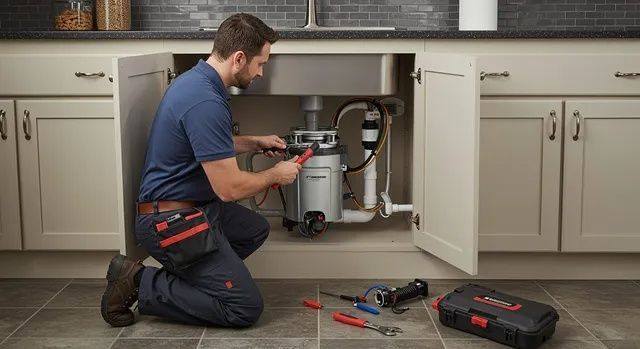
Step-by-Step Garbage Disposal Inspection
Step 1: Disconnect Power
Always switch off electrical power before inspecting or working on the disposal.
Step 2: Check the Reset Button
Press the reset button located on the bottom of the unit if the motor has overloaded.
Step 3: Inspect the Grinding Chamber
Use a flashlight to check for foreign objects inside the disposal.
Step 4: Remove Visible Obstructions
Carefully remove any non-food items using tongs or pliers. Never place your hand inside the disposal.
Step 5: Rotate the Grinding Plate
If recommended by the manufacturer, use the appropriate tool to manually rotate the grinding mechanism and release minor jams.
Step 6: Examine Plumbing Connections
Inspect the sink flange, drain pipe, and dishwasher connection for signs of moisture or leaks.
Garbage Disposal Maintenance Tips
Regular maintenance helps extend the life of the disposal.
- Run cold water before, during, and after operation.
- Process food waste gradually instead of overloading the unit.
- Clean the grinding chamber regularly.
- Inspect plumbing connections for leaks.
- Flush the disposal with clean water after use.
- Avoid disposing of grease and fibrous materials.
- Test the reset button periodically.
Safety Tips During Repairs
Working safely is essential when inspecting a garbage disposal.
- Disconnect electrical power before servicing.
- Never place hands inside the grinding chamber.
- Use proper tools to remove obstructions.
- Wear protective gloves when handling sharp objects.
- Keep the work area dry.
- Follow the manufacturer's maintenance recommendations.
Common Repair Mistakes to Avoid
Avoid these mistakes during inspection and repair:
- Forgetting to disconnect power
- Using hot water while grinding grease
- Overloading the disposal
- Ignoring unusual noises
- Pouring grease or oil into the unit
- Using harsh chemicals that may damage internal components
Benefits of Regular Garbage Disposal Maintenance
Routine maintenance and timely repairs provide several advantages.
- Supports reliable kitchen waste disposal
- Improves appliance performance
- Helps maintain smooth drainage
- Reduces unpleasant odors
- Extends equipment lifespan
- Minimizes unexpected operational issues
- Promotes a cleaner kitchen environment
Frequently Asked Questions
Why won't my garbage disposal turn on?
A tripped reset button, interrupted power supply, motor overload, or electrical connection issue may prevent operation.
Why is my garbage disposal making loud noises?
Foreign objects, loose components, or worn grinding parts are common causes of unusual noises.
What causes water leaks around a garbage disposal?
Leaks may develop from worn seals, loose plumbing connections, or damaged mounting components.
Why is my garbage disposal draining slowly?
Food buildup, grease accumulation, or partial drain blockages may reduce drainage efficiency.
How often should a garbage disposal be cleaned?
Regular cleaning helps prevent odors, improve grinding performance, and reduce residue buildup.
Conclusion
Garbage disposal repair begins with understanding how the unit operates and recognizing the early signs of potential problems. Routine inspections, proper maintenance, safe troubleshooting practices, and timely attention to common issues help maintain reliable performance and support efficient kitchen waste management. With regular care and preventive maintenance, a garbage disposal can continue operating effectively as an important part of a modern kitchen.