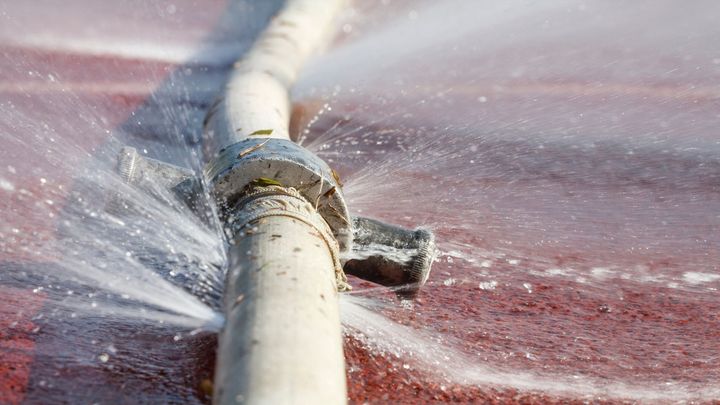
Pipe Leak Detection: Complete Guide to Finding Hidden Leaks, Detection Methods, Warning Signs, and Prevention
A reliable plumbing system is essential for maintaining a safe and functional home or commercial property.
However, hidden pipe leaks can develop without obvious signs, leading to moisture buildup, reduced water pressure, and damage to walls, floors, and foundations over time. Detecting these leaks early is one of the most effective ways to maintain the performance of a plumbing system and prevent long-term structural issues.
Pipe leak detection combines visual inspections with modern diagnostic techniques to locate leaks accurately. Whether the leak is inside a wall, beneath a concrete slab, or in an underground pipeline, early detection helps simplify maintenance and supports efficient water management.
Common Causes of Pipe Leaks
Pipe leaks can occur for many reasons, ranging from natural wear to environmental conditions.
Corrosion
Metal pipes can gradually corrode due to age, water chemistry, or environmental exposure. Corrosion weakens pipe walls and increases the likelihood of leaks.
High Water Pressure
Excessive water pressure places continuous stress on pipes, valves, and fittings, which may eventually lead to cracks or joint failures.
Aging Plumbing Systems
Older plumbing systems naturally experience wear over time. Pipe materials, seals, and connectors may deteriorate, increasing the risk of leaks.
Temperature Changes
Frequent expansion and contraction caused by seasonal temperature changes can weaken plumbing joints and connections.
Poor Installation
Incorrect pipe alignment, loose fittings, or improper sealing during installation may contribute to future leaks.
Tree Root Intrusion
Underground water lines can be affected by tree roots seeking moisture. As roots grow around or into pipes, they may cause cracks or blockages.
Physical Damage
Construction activities, accidental impacts, or shifting foundations can damage exposed or buried plumbing lines.
Early Warning Signs of Hidden Pipe Leaks
Many leaks remain hidden until noticeable symptoms appear. Watch for these common warning signs:
- Unexplained increases in water usage
- Reduced water pressure
- Damp walls or ceilings
- Water stains on painted surfaces
- Mold or mildew growth
- Persistent musty odors
- Wet flooring or carpets
- Cracks in walls or foundations
- Standing water near plumbing fixtures
- The sound of running water when no fixtures are in use
Identifying these signs early can help prevent more extensive plumbing problems.
Types of Pipe Leaks
Understanding the type of leak can help determine the most appropriate detection method.
Visible Pipe Leaks
These leaks occur on exposed plumbing and are often easy to identify during a visual inspection.
Hidden Wall Leaks
Leaks concealed behind drywall or inside ceilings may require specialized detection equipment.
Underground Pipe Leaks
Water supply lines beneath the ground may develop leaks due to soil movement, corrosion, or root intrusion.
Slab Leaks
Leaks beneath concrete foundations can affect structural stability and often require advanced inspection techniques.
Joint and Connection Leaks
Pipe joints, fittings, and valves are common locations where leaks may develop over time.
Modern Pipe Leak Detection Methods
Advancements in plumbing technology have made leak detection more accurate and less invasive.
Visual Inspection
A detailed inspection of accessible plumbing components can identify corrosion, moisture, loose fittings, and visible leaks.
Acoustic Leak Detection
Specialized listening devices detect the sound of pressurized water escaping from hidden pipes, making this method effective for underground and concealed leaks.
Thermal Imaging
Infrared cameras identify temperature differences caused by moisture accumulation behind walls, ceilings, and floors.
Moisture Detection
Electronic moisture meters measure moisture levels within building materials to locate hidden water intrusion.
Pressure Testing
Pressure testing evaluates the integrity of a plumbing system by identifying pressure loss that may indicate a hidden leak.
Video Pipe Inspection
Small waterproof cameras travel through plumbing lines to inspect the interior of pipes for cracks, blockages, corrosion, or damaged joints.
Smart Leak Detection Systems
Modern smart water monitoring systems continuously monitor water flow and notify property owners when unusual activity is detected.
Essential Tools Used for Pipe Leak Detection
Professionals use a variety of diagnostic tools to inspect plumbing systems.
Common equipment includes:
- Acoustic leak detectors
- Thermal imaging cameras
- Moisture meters
- Pressure testing devices
- Video inspection cameras
- Ultrasonic leak detectors
- Smart water monitoring systems
- Digital plumbing inspection equipment
Each tool serves a specific purpose depending on the location and type of leak.
Step-by-Step Pipe Leak Inspection Process
A structured inspection helps locate leaks efficiently.
Step 1: Review Water Usage
Compare current water usage with previous patterns to identify unusual increases.
Step 2: Perform a Visual Inspection
Inspect exposed pipes, fixtures, walls, ceilings, and flooring for signs of moisture or corrosion.
Step 3: Measure Water Pressure
Check for pressure fluctuations that may indicate water escaping from the system.
Step 4: Use Detection Equipment
Apply acoustic devices, thermal imaging, moisture meters, or inspection cameras to locate hidden leaks.
Step 5: Confirm the Leak Location
Verify the exact source of the leak before planning any plumbing repairs.
Step 6: Monitor the Plumbing System
After inspection, continue monitoring the system to ensure consistent performance.
Best Practices for Preventing Pipe Leaks
Preventive maintenance helps reduce the risk of future plumbing issues.
Recommended practices include:
- Inspect plumbing systems regularly.
- Monitor household water pressure.
- Protect exposed pipes from freezing temperatures.
- Replace aging plumbing components when necessary.
- Check fittings and valves for signs of wear.
- Maintain proper drainage around the property.
- Schedule periodic plumbing inspections.
- Address minor plumbing issues before they worsen.
Benefits of Early Pipe Leak Detection
Early leak detection offers several long-term advantages for property owners.
- Helps maintain consistent water pressure.
- Supports efficient plumbing system performance.
- Reduces moisture-related structural damage.
- Improves the reliability of residential water systems.
- Extends the lifespan of plumbing components.
- Simplifies routine plumbing maintenance.
- Helps identify hidden leaks before they become larger problems.
- Supports effective water quality management.
Frequently Asked Questions
How can I tell if I have a hidden pipe leak?
Common indicators include damp walls, reduced water pressure, unusual water usage, mold growth, and the sound of running water when all fixtures are turned off.
Which method is most effective for detecting hidden pipe leaks?
The most suitable method depends on the location of the leak. Acoustic detection, thermal imaging, pressure testing, and video pipe inspection are widely used for locating hidden leaks.
Can underground pipe leaks be detected without extensive digging?
Yes. Modern technologies such as acoustic leak detection and video pipe inspection often locate underground leaks with minimal disruption.
How often should a plumbing system be inspected?
Routine inspections are recommended periodically, particularly for older properties or whenever unusual plumbing symptoms appear.
What causes low water pressure in a plumbing system?
Low water pressure may result from hidden leaks, clogged pipes, faulty valves, mineral buildup, or other plumbing issues.
Conclusion
Pipe leak detection is an essential part of maintaining a dependable plumbing system and protecting residential or commercial properties from hidden water damage. Understanding the common causes of leaks, recognizing early warning signs, and using modern detection methods can help identify problems before they become more serious. Combined with regular inspections and preventive maintenance, effective pipe leak detection supports long-term plumbing performance, reliable water distribution, and improved property care.