Water Heater Installation Basics: Setup, Safety & System Guide
A properly installed water heater provides a reliable supply of hot water for daily household and commercial activities.
From bathing and cooking to cleaning and laundry, an efficient water heating system improves comfort and supports everyday convenience. Modern water heater installation involves careful planning, proper plumbing connections, safe electrical or gas integration, and routine maintenance to ensure dependable performance.
Today's water heating systems include storage tank water heaters, tankless water heaters, heat pump water heaters, solar water heating systems, and hybrid water heaters. Understanding the installation process, system components, safety requirements, and maintenance practices helps property owners make informed decisions while supporting long-term system efficiency.
Understanding Water Heater Installation
Water heater installation involves positioning, connecting, and configuring a water heating system so it can safely supply heated water throughout a building. A successful installation requires proper placement, secure plumbing, appropriate ventilation where required, and compliance with local building standards.
A well-planned installation contributes to reliable operation, improved energy efficiency, and consistent hot water availability.
Types of Water Heating Systems
Different water heating systems are designed for different property requirements.
Storage Tank Water Heaters
Storage tank water heaters keep a supply of heated water inside an insulated tank, making them suitable for continuous household use.
Tankless Water Heaters
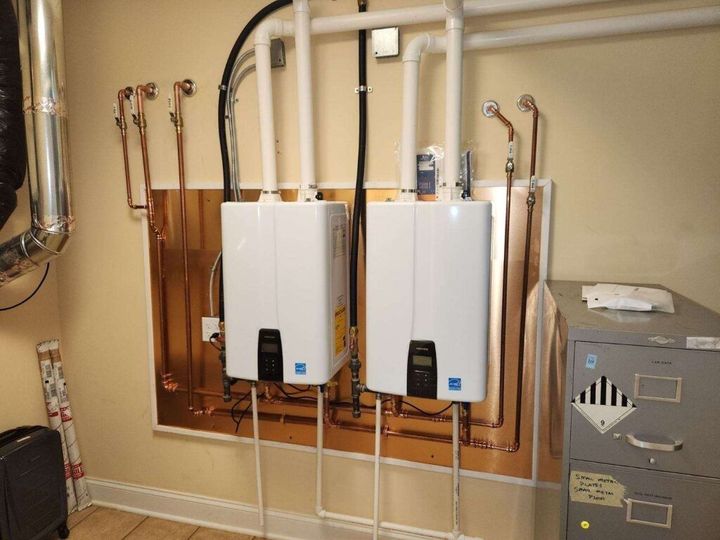
Tankless water heaters heat water only when needed, providing hot water without storing it in a tank.
Heat Pump Water Heaters
Heat pump water heaters transfer heat from the surrounding air to warm water while supporting improved energy efficiency.
Solar Water Heating Systems
Solar water heating systems use solar collectors to capture sunlight and heat water through renewable energy technology.
Hybrid Water Heaters
Hybrid systems combine multiple heating technologies to improve overall system performance and operational flexibility.
Essential Components
A complete water heating system consists of several important components.
Water Storage Tank
The insulated tank stores heated water until it is needed.
Heating Element or Burner
Electric systems use heating elements, while gas systems use burners to heat the water.
Thermostat
The thermostat regulates water temperature to maintain consistent heating performance.
Pressure Relief Valve
This safety device helps control excessive pressure within the water heater.
Water Supply Connections
Cold water enters the system while heated water exits through dedicated plumbing connections.
Drain Valve
The drain valve allows periodic flushing to remove sediment buildup inside the tank.
Planning Before Installation
Careful planning helps create a safe and efficient installation.
Important considerations include:
- Available installation space
- Household hot water demand
- Plumbing layout
- Electrical or gas connection
- Ventilation requirements
- Floor stability
- Drainage availability
- Accessibility for future maintenance
Proper planning supports reliable long-term operation.
Water Heater Installation Process
Step 1: Select the Installation Location
Choose a dry, level, and well-ventilated location with convenient access for maintenance.
Step 2: Prepare Plumbing Connections
Install hot and cold water supply lines using compatible plumbing materials.
Step 3: Position the Water Heater
Place the water heater securely while maintaining adequate clearance around the unit.
Step 4: Connect the Water Supply
Attach the cold-water inlet and hot-water outlet according to the system design.
Step 5: Install the Power or Fuel Connection
Connect the electrical supply or gas line following applicable safety requirements.
Step 6: Install Safety Components
Verify that the pressure relief valve and other protective devices are correctly installed.
Step 7: Fill and Test the System
Fill the tank, remove trapped air, and inspect all plumbing connections for proper operation.
Step 8: Verify Performance
Confirm temperature settings, water flow, and overall system functionality before regular use.
Safety Considerations
Safety plays an important role during water heater installation.
Recommended practices include:
- Inspect plumbing connections carefully.
- Verify proper ventilation for gas systems.
- Check pressure relief valve operation.
- Use approved installation materials.
- Maintain adequate equipment clearance.
- Protect electrical connections from moisture.
- Monitor water temperature settings.
- Follow applicable installation guidelines.
These measures contribute to safe and dependable operation.
Common Installation Challenges
Some installations require additional planning due to property conditions.
Common challenges include:
- Limited installation space
- Aging plumbing systems
- Ventilation restrictions
- Water pressure variations
- Electrical capacity limitations
- Gas supply requirements
- Sediment accumulation
- Pipe compatibility
Identifying these challenges early helps simplify the installation process.
Maintenance Tips
Routine maintenance helps maintain reliable water heater performance.
Recommended practices include:
- Inspect the pressure relief valve regularly.
- Flush the storage tank to remove sediment.
- Check plumbing connections for leaks.
- Inspect insulation around exposed pipes.
- Monitor thermostat performance.
- Clean surrounding installation areas.
- Review heating element or burner operation.
- Inspect venting components where applicable.
- Observe system performance regularly.
- Schedule periodic inspections when needed.
Preventive maintenance supports long-term efficiency and dependable operation.
Improving Water Heater Performance
Several practices help maintain efficient operation.
- Keep thermostat settings consistent.
- Insulate hot water pipes.
- Monitor water pressure.
- Flush sediment periodically.
- Inspect valves regularly.
- Maintain clean ventilation pathways.
- Check heating performance throughout the year.
- Replace worn components when necessary.
These practices contribute to stable hot water delivery and improved system reliability.
Benefits
A properly installed water heater offers numerous advantages.
- Provides consistent hot water supply
- Supports efficient household operations
- Improves energy efficiency
- Enhances plumbing system performance
- Supports reliable daily water heating
- Helps maintain stable water temperature
- Improves long-term equipment reliability
- Supports preventive maintenance planning
- Integrates with modern water heating technologies
- Contributes to comfortable residential and commercial environments
Frequently Asked Questions
What is water heater installation?
Water heater installation is the process of positioning, connecting, and configuring a water heating system to safely provide hot water for residential or commercial use.
What types of water heaters are available?
Common options include storage tank water heaters, tankless water heaters, heat pump water heaters, solar water heating systems, and hybrid water heaters.
Why is the pressure relief valve important?
The pressure relief valve helps maintain safe operating pressure within the water heating system.
How often should a water heater be maintained?
Regular inspections, sediment flushing, plumbing checks, and thermostat reviews help maintain reliable performance.
Why should sediment be removed from the tank?
Sediment buildup can reduce heating efficiency and affect the overall performance of the water heater.
What factors should be considered before installation?
Installation space, plumbing layout, electrical or gas connections, ventilation, accessibility, and household hot water demand should all be evaluated.
Conclusion
Water heater installation is an important part of creating a dependable hot water system for homes and commercial properties. By understanding system types, installation planning, plumbing connections, safety practices, and routine maintenance, property owners can support reliable performance and long-term efficiency. Regular inspections and preventive care help ensure that modern water heating systems continue providing consistent hot water while operating safely and efficiently.