Irrigation System Installation Overview: Planning, Components & Maintenance
An efficient irrigation system plays an important role in maintaining healthy landscapes, gardens, agricultural fields, sports grounds, and commercial green spaces.
Proper irrigation system installation ensures that plants receive the right amount of water while supporting sustainable water management and reducing unnecessary water waste.
Modern irrigation systems combine advanced irrigation technology, smart irrigation controllers, automated watering schedules, and precision water distribution to improve landscape health and operational efficiency. Whether installing a residential garden irrigation system or a large commercial irrigation network, understanding planning, components, installation methods, and maintenance practices helps create a reliable and efficient watering solution.
Understanding Irrigation System Installation
Irrigation system installation involves designing and installing equipment that distributes water evenly across lawns, gardens, landscapes, or agricultural areas. A properly installed irrigation system delivers consistent watering while adapting to the specific needs of plants, soil conditions, and climate.
Modern irrigation systems often integrate smart irrigation technology to improve water efficiency and simplify daily operation.
Types of Irrigation Systems
Different irrigation methods are designed for different landscapes and watering requirements.
Drip Irrigation Systems
Drip irrigation delivers water directly to plant roots through small emitters, making it suitable for gardens, flower beds, shrubs, and agricultural crops.
Sprinkler Irrigation Systems
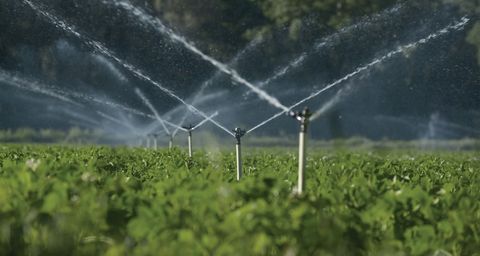
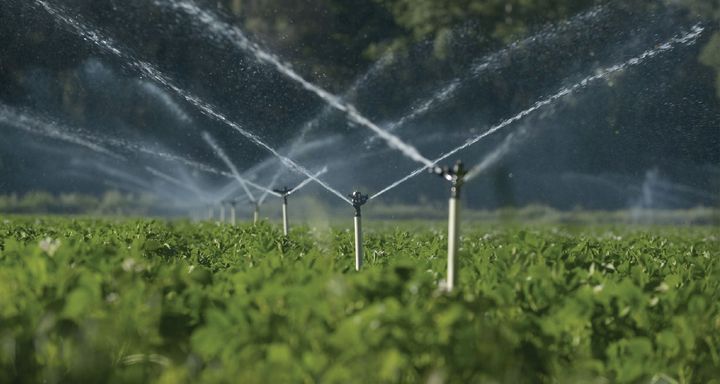
Sprinkler systems distribute water through spray heads that simulate natural rainfall, making them ideal for lawns, parks, sports fields, and landscaped properties.
Surface Irrigation
Surface irrigation allows water to flow naturally across the ground and is commonly used in agricultural applications.
Subsurface Irrigation
Subsurface irrigation delivers water beneath the soil surface, helping reduce evaporation while improving moisture distribution around plant roots.
Smart Irrigation Systems
Smart irrigation systems use weather information, soil moisture sensors, and automated scheduling to optimize watering based on environmental conditions.
Essential Components of an Irrigation System
Every irrigation system includes several important components that work together.
Water Supply
The water source provides the necessary flow for irrigation throughout the property.
Irrigation Pipes
Pipes transport water from the supply source to different irrigation zones.
Control Valves
Valves regulate water flow and allow individual irrigation zones to operate independently.
Sprinkler Heads
Sprinkler heads distribute water evenly across lawns and landscaped areas.
Drip Emitters
Emitters release controlled amounts of water directly near plant roots.
Smart Irrigation Controller
A smart irrigation controller automates watering schedules based on programmed settings and environmental conditions.
Soil Moisture Sensors
Sensors monitor soil moisture levels and help prevent unnecessary watering.
Backflow Prevention Device
Backflow prevention equipment protects the water supply by preventing reverse water flow.
Planning an Irrigation System
Careful planning improves installation quality and long-term performance.
Important planning considerations include:
- Landscape size
- Plant watering requirements
- Soil type
- Water pressure
- Water flow capacity
- Sunlight exposure
- Property layout
- Irrigation zones
- Drainage conditions
- Future landscape expansion
Proper planning helps improve irrigation efficiency and system reliability.
Irrigation System Installation Process
A structured installation process helps ensure consistent performance.
Step 1: Evaluate the Property
Assess the landscape, water source, soil conditions, and irrigation requirements.
Step 2: Design the Irrigation Layout
Create a system layout showing irrigation zones, pipe routing, sprinkler locations, and controller placement.
Step 3: Install Water Distribution Pipes
Position underground or surface piping according to the irrigation design.
Step 4: Install Sprinklers and Drip Lines
Place sprinkler heads and drip irrigation components to achieve even water coverage.
Step 5: Connect Valves and Controllers
Install irrigation control valves and configure the smart irrigation controller.
Step 6: Install Sensors
Position soil moisture sensors and weather monitoring devices where applicable.
Step 7: Test the System
Operate each irrigation zone to verify water pressure, spray patterns, and uniform coverage.
Step 8: Adjust Watering Schedules
Configure irrigation schedules according to seasonal conditions and landscape requirements.
Common Applications
Irrigation systems support many residential, commercial, and agricultural environments.
Typical applications include:
- Residential lawns
- Home gardens
- Commercial landscapes
- Public parks
- Golf courses
- Sports fields
- Agricultural farms
- Greenhouses
- Nurseries
- Community landscapes
Each application benefits from proper irrigation planning and efficient water distribution.
Common Installation Challenges
Several factors can affect irrigation system performance.
- Uneven water pressure
- Poor drainage
- Soil variation
- Sloped landscapes
- Underground utility lines
- Incorrect sprinkler placement
- Pipe leaks
- Root interference
- Seasonal weather changes
- Water distribution imbalance
Identifying these challenges during planning helps improve system performance.
Maintenance Tips
Routine maintenance supports reliable irrigation performance.
Recommended practices include:
- Inspect sprinkler heads regularly.
- Clean drip irrigation emitters.
- Check pipe connections for leaks.
- Test irrigation zones periodically.
- Monitor soil moisture levels.
- Adjust seasonal watering schedules.
- Inspect control valves.
- Update smart irrigation controller settings.
- Remove debris around sprinkler heads.
- Verify proper water coverage.
Consistent maintenance helps extend system lifespan and improve water efficiency.
Benefits
A properly installed irrigation system provides numerous advantages.
- Supports efficient landscape irrigation
- Improves water management
- Promotes healthy plant growth
- Enhances lawn appearance
- Reduces unnecessary water waste
- Supports smart irrigation automation
- Simplifies watering schedules
- Improves irrigation system reliability
- Helps maintain consistent soil moisture
- Contributes to sustainable landscape management
Frequently Asked Questions
What is an irrigation system?
An irrigation system is a network of pipes, valves, controllers, and watering devices that distribute water to landscapes, gardens, or agricultural areas.
What is the difference between drip irrigation and sprinkler irrigation?
Drip irrigation delivers water directly to plant roots, while sprinkler irrigation distributes water over a larger area through spray heads.
Why are smart irrigation controllers useful?
Smart irrigation controllers automate watering schedules using weather conditions, soil moisture data, and programmed settings to improve water efficiency.
How often should an irrigation system be inspected?
Routine inspections throughout the year help identify leaks, clogged emitters, damaged sprinkler heads, and controller issues.
What factors should be considered before installation?
Landscape size, plant types, soil conditions, water pressure, drainage, and irrigation zoning should all be evaluated before installation.
Why is regular maintenance important?
Regular maintenance helps maintain water distribution, supports efficient irrigation, prevents equipment failures, and improves long-term system performance.
Conclusion
Irrigation system installation is an important investment in maintaining healthy landscapes, gardens, and agricultural environments. By combining proper planning, quality irrigation components, smart irrigation controllers, efficient water distribution, and regular maintenance, property owners can create reliable systems that support healthy plant growth while improving water management. A well-designed irrigation system not only enhances landscape appearance but also contributes to sustainable and efficient outdoor maintenance for years to come.