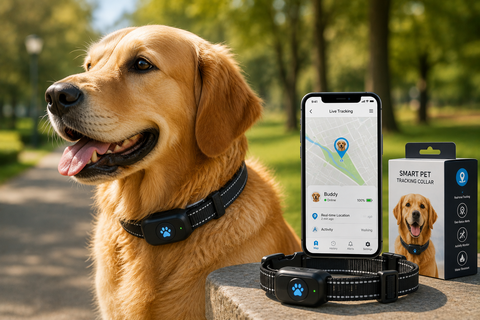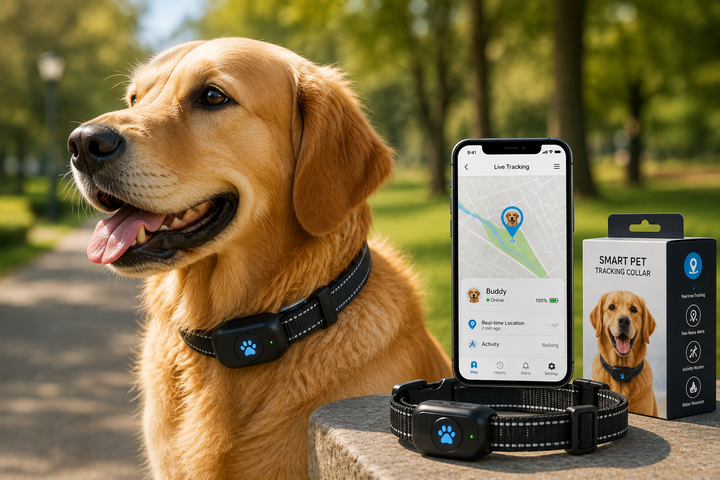
Smart Pet Tracking Collar: Essential Features and GPS Insights
Smart pet tracking collars are transforming the way pet owners monitor the safety, location, and daily activities of their animals.
These wearable devices combine GPS tracking, activity monitoring, health insights, and mobile connectivity into a single solution that helps owners stay informed about their pet's well-being. Modern smart collars can provide real-time location updates, virtual boundaries, activity tracking, and health-related information through connected apps and intelligent sensors.
As pet technology continues to evolve, smart tracking collars are becoming increasingly useful for managing active pets, monitoring exercise levels, and helping locate pets that wander beyond designated areas. Understanding how these devices work can help pet owners make informed decisions about pet safety and wellness.
Quick Facts Table
| Topic | Purpose | Key Features | Main Benefits | Common Applications |
|---|---|---|---|---|
| Smart Pet Tracking Collar | Monitor pet location, activity, and wellness | GPS tracking, geofencing, activity monitoring, health insights, mobile connectivity | Improved pet safety, location awareness, activity tracking | Pet monitoring, outdoor activities, lost pet recovery, wellness management |
What Is a Smart Pet Tracking Collar?
A smart pet tracking collar is a wearable device designed for dogs or cats that combines GPS technology, sensors, and wireless communication to track a pet's location and activity. Many models also include health monitoring features such as activity tracking, sleep analysis, and behavioral insights.
Unlike traditional collars, smart collars continuously collect data and send updates to a companion app, allowing owners to monitor their pets remotely.
Why Is a Smart Pet Tracking Collar Important?
Pets can sometimes wander away, become lost, or experience changes in activity patterns that may go unnoticed. Smart tracking collars provide greater visibility into a pet's location and daily behavior.
Benefits include:
- Real-time location awareness
- Enhanced pet safety
- Activity monitoring
- Health and wellness insights
- Geofence notifications
- Historical movement tracking
- Sleep monitoring
- Behavioral trend analysis
Smart Pet Tracking Collar Facts
- GPS tracking is one of the most common features in smart pet collars.
- Many devices support geofencing and location alerts.
- Activity tracking can monitor walking, running, resting, and sleeping patterns.
- Modern collars increasingly combine location tracking with wellness monitoring.
- Advanced devices may include heart rate, temperature, and behavioral monitoring capabilities.
Key Features and Core Components
Smart pet collars often include:
- GPS tracking technology
- Geofencing capabilities
- Accelerometers
- Motion sensors
- Activity monitoring
- Sleep tracking
- Mobile app connectivity
- Health monitoring sensors
- Location history
- Waterproof construction
- Battery management systems
- Wireless communication modules
Main Types of Smart Pet Tracking Collars
GPS Tracking Collars
These collars focus primarily on real-time location tracking and geofence alerts. They are particularly useful for pets that spend time outdoors.
Health Monitoring Collars
These devices emphasize wellness tracking and monitor activity levels, sleep patterns, and behavioral changes.
Combined GPS and Health Tracking Collars
These collars integrate both location tracking and wellness monitoring into a single device.
Types Comparison Table
| Tracking Type | Safety Level | Speed of Updates | Primary Use |
|---|---|---|---|
| GPS Tracking Collar | High | Fast | Location Monitoring |
| Health Monitoring Collar | Medium | Fast | Wellness Tracking |
| Combined Smart Collar | High | Fast | Location and Health Monitoring |
| Bluetooth Tracker | Medium | Moderate | Nearby Tracking |
How Does a Smart Pet Tracking Collar Work?
- Sensors collect location and movement data.
- GPS technology determines the pet's position.
- Motion sensors record activity and behavior patterns.
- Wireless connectivity transfers data to a mobile app.
- Analytics platforms process the information.
- The app displays location, activity, and health insights.
- Alerts are generated if unusual activity or boundary crossings occur.
Benefits and Advantages
Smart pet tracking collars provide several practical benefits:
- Improved pet safety
- Faster pet location tracking
- Enhanced activity monitoring
- Better understanding of behavior patterns
- Sleep quality insights
- Exercise tracking
- Location history records
- Geofence notifications
- Wellness monitoring
- Greater peace of mind for pet owners
Industry Applications
Household Pet Monitoring
Many owners use smart collars to monitor pets during walks, outdoor activities, and daily routines.
Veterinary Observation
Activity and wellness data can help provide additional context during veterinary assessments.
Pet Wellness Programs
Activity tracking can support weight management and exercise planning.
Outdoor Adventures
GPS-enabled collars assist during hiking, camping, and travel activities with pets.
Multi-Pet Households
Tracking devices help monitor the activities and locations of multiple pets simultaneously.
Real-World Examples and Applications
Example: Lost Pet Recovery
A dog leaves a yard unexpectedly. The collar sends a geofence alert and provides real-time location updates, helping the owner locate the pet quickly.
Example: Activity Monitoring
A pet owner notices reduced daily activity levels through the collar's tracking data and monitors changes over time.
Example: Outdoor Exploration
During a hiking trip, GPS tracking helps monitor a dog's movements across larger outdoor areas.
Important Factors to Consider
Before selecting a smart pet collar, consider:
- GPS accuracy
- Battery life
- Waterproof rating
- Collar weight
- Pet size compatibility
- Connectivity coverage
- Mobile app features
- Tracking update frequency
- Durability
- Activity monitoring capabilities
Common Challenges and Easy Solutions
| Challenge | Impact | Solution |
|---|---|---|
| Weak Signal Coverage | Reduced Tracking Accuracy | Use Multi-Network Tracking Technologies |
| Short Battery Life | Interrupted Monitoring | Follow Recommended Charging Schedule |
| Inaccurate Collar Fit | Reduced Sensor Performance | Ensure Proper Collar Adjustment |
| Water Exposure | Device Damage Risk | Use Waterproof Models |
| Data Interpretation | Confusing Insights | Review Activity Trends Regularly |
Smart Pet Tracking Collar Best Practices
- Ensure the collar fits comfortably.
- Check battery levels regularly.
- Configure geofence boundaries appropriately.
- Update companion apps when available.
- Review activity reports periodically.
- Monitor unusual behavior changes.
- Keep contact information current.
- Test tracking features before travel.
- Follow manufacturer maintenance guidelines.
- Verify waterproof capabilities when needed.
Future Trends and Industry Insights
The smart pet technology industry continues to evolve rapidly.
Artificial Intelligence Analytics
AI technologies are helping analyze pet activity patterns and behavioral trends more effectively.
Advanced Health Monitoring
Future collars may provide expanded monitoring capabilities related to wellness and physiological indicators.
Improved GPS Accuracy
Multi-network positioning technologies are improving tracking precision.
Behavioral Monitoring
Future devices may provide deeper insights into behavioral changes and activity patterns.
Enhanced Battery Technologies
Battery improvements are expected to support longer operating periods between charges.
Expert Insights
Smart pet tracking collars are evolving beyond simple GPS devices into comprehensive pet monitoring platforms. Modern collars combine location awareness, activity tracking, health monitoring, and intelligent analytics to provide a more complete picture of a pet's daily routine. As sensor technologies and wireless connectivity continue to improve, smart collars are expected to become increasingly sophisticated tools for pet safety and wellness.
Key Takeaways
- Smart pet tracking collars combine GPS and monitoring technologies.
- Real-time location tracking improves pet safety.
- Geofencing helps monitor designated boundaries.
- Activity tracking provides wellness insights.
- Many devices support sleep and behavior monitoring.
- GPS technology helps locate pets more efficiently.
- Mobile apps provide access to tracking information.
- Future devices are expected to include more advanced analytics.
Frequently Asked Questions (FAQ)
What is a smart pet tracking collar?
A smart pet tracking collar is a wearable device that monitors a pet's location, activity, and sometimes health information.
How does GPS tracking work in pet collars?
GPS receivers communicate with satellites to determine a pet's location and display it through a connected app.
What is geofencing?
Geofencing creates virtual boundaries and sends alerts when a pet leaves a designated area.
Can smart collars track pet activity?
Yes. Many devices monitor walking, running, resting, and sleeping patterns.
Are smart pet collars waterproof?
Many models include water-resistant or waterproof designs, although specifications vary.
Do smart collars work for cats and dogs?
Many tracking collars are available for both cats and dogs, depending on size and design.
What health information can smart collars monitor?
Some devices track activity levels, sleep patterns, heart rate, temperature, and behavioral changes.
How often do GPS collars update location data?
Update frequency varies by device and tracking mode.
What is the difference between GPS and Bluetooth pet trackers?
GPS trackers support broader location tracking, while Bluetooth trackers generally work over shorter distances.
Can smart collars help locate lost pets?
GPS-enabled collars can assist with locating pets that move beyond designated boundaries.
How long does the battery last?
Battery performance varies based on tracking frequency, connectivity, and device features.
What is activity monitoring?
Activity monitoring records movement patterns and daily exercise levels.
Are smart pet collars suitable for outdoor activities?
Many GPS-enabled collars are designed for outdoor environments and active pets.
What future technologies may appear in smart collars?
Future devices may include advanced health monitoring, improved analytics, and enhanced positioning technologies.
Why are smart pet collars becoming popular?
They provide location awareness, activity tracking, and additional insights that help owners better understand their pets.
Conclusion
Smart pet tracking collars combine GPS technology, activity monitoring, health insights, and mobile connectivity to improve pet safety and awareness. These devices help owners monitor location, track daily activities, establish virtual boundaries, and gain a better understanding of their pet's routine.
As wearable pet technology continues to evolve, smart collars are expected to incorporate more advanced monitoring capabilities, improved analytics, and enhanced tracking performance. Understanding their features, benefits, and applications can help pet owners make informed decisions about pet safety and wellness.