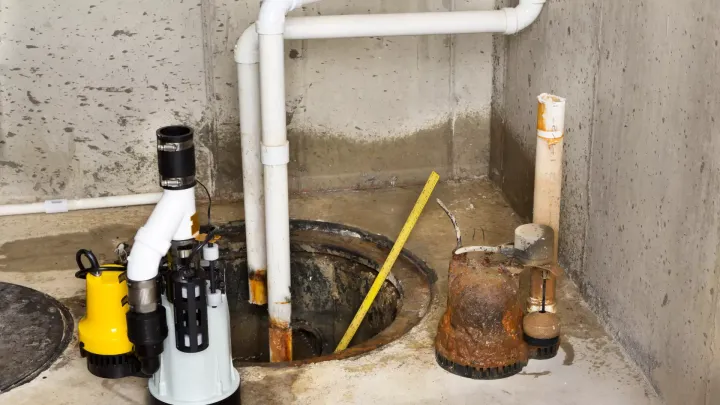
Sump Pump Installation Guide
A sump pump is an important component of many residential drainage systems, especially in areas where heavy rainfall, groundwater, or poor drainage conditions can lead to water accumulation.
Installed inside a sump basin, the pump automatically removes excess water and directs it away from the building's foundation.
Proper sump pump installation helps support effective basement drainage, foundation protection, and overall water management. Understanding the installation process, essential components, drainage requirements, and maintenance practices can help homeowners prepare for reliable long-term operation.
Understanding How a Sump Pump Works
A sump pump collects water that enters a sump pit through drainage systems or natural groundwater movement. As the water level rises, a float switch activates the pump, which transfers water through a discharge pipe to a safe drainage location away from the building.
Most residential systems operate automatically and require minimal manual operation after installation.
Types of Sump Pumps
Choosing the appropriate pump depends on the property's drainage needs.
Pedestal Sump Pumps
The motor remains above the sump basin, making maintenance and inspection easier.
Submersible Sump Pumps
The pump operates inside the sump pit and is designed for quieter operation while remaining protected beneath the basin cover.
Battery Backup Sump Pumps
These systems continue operating during electrical power interruptions using a dedicated battery.
Combination Sump Pump Systems
Combination units integrate a primary pump with a backup system for improved reliability.
Main Components of a Sump Pump System
A complete installation typically includes:
- Sump basin
- Sump pump
- Float switch
- Check valve
- Discharge pipe
- Drainage pipe
- Power supply
- Basin cover
- Pipe fittings
- Drain outlet
Each component contributes to reliable water removal and efficient system performance.
Preparing for Sump Pump Installation
Proper planning simplifies installation and improves long-term operation.
Before beginning:
- Evaluate basement drainage conditions.
- Select an appropriate installation location.
- Verify access to electrical power.
- Plan the discharge pipe route.
- Identify an approved drainage outlet.
- Confirm adequate working space around the sump basin.
Required Installation Tools
Common tools include:
- Drill
- Hole saw
- Shovel
- PVC pipe cutter
- Adjustable wrench
- Screwdrivers
- Pipe fittings
- PVC primer and cement
- Measuring tape
- Level
Step-by-Step Sump Pump Installation
Step 1: Select the Installation Location
Choose the lowest point where groundwater naturally collects.
Step 2: Prepare the Sump Pit
Install the sump basin securely so that its top remains level with the surrounding floor.
Step 3: Position the Pump
Place the sump pump inside the basin according to the manufacturer's installation instructions.
Step 4: Install the Check Valve
Attach the check valve to prevent discharged water from flowing back into the basin.
Step 5: Connect the Discharge Pipe
Install the discharge pipe and direct water away from the building foundation toward an approved drainage location.
Step 6: Connect Electrical Power
Supply power using a properly grounded electrical outlet dedicated to the sump pump.
Step 7: Test System Operation
Fill the basin with water to verify automatic pump activation and proper discharge.
Common Installation Considerations
Several factors contribute to successful installation.
Proper Basin Size
The sump basin should provide adequate capacity for expected groundwater collection.
Correct Pump Capacity
Pump performance should match the property's drainage requirements.
Safe Discharge Location
Water should discharge away from foundations, walkways, and neighboring properties.
Reliable Electrical Connection
Ensure the electrical outlet is properly protected and easily accessible.
Secure Pipe Connections
Inspect all plumbing connections to prevent leaks.
Maintenance Tips
Routine maintenance helps ensure dependable operation.
Recommended practices include:
- Test pump operation regularly.
- Inspect the float switch.
- Clean the sump basin.
- Remove accumulated debris.
- Check the discharge pipe for blockages.
- Inspect the check valve.
- Verify electrical connections.
- Test backup systems if installed.
Common Installation Challenges
Some installations may require additional planning.
Examples include:
- High groundwater levels
- Limited installation space
- Difficult discharge routing
- Frozen discharge pipes
- Power interruptions
- Improper basin placement
Addressing these issues during installation supports long-term reliability.
Benefits of Sump Pump Installation
Installing a sump pump offers several important advantages.
- Helps manage excess groundwater
- Supports basement water control
- Protects building foundations
- Improves drainage system performance
- Reduces standing water around the home
- Supports long-term structural maintenance
- Enhances overall property protection
- Works automatically with minimal user intervention
Frequently Asked Questions
Where should a sump pump be installed?
A sump pump is typically installed at the lowest point of a basement or crawl space where water naturally collects.
How does a sump pump remove water?
The pump automatically transfers collected water through a discharge pipe to a safe drainage location away from the foundation.
What is the purpose of a check valve?
A check valve prevents discharged water from flowing back into the sump basin after pumping.
How often should a sump pump be tested?
Periodic testing helps confirm that the pump activates correctly and the discharge system operates properly.
What maintenance does a sump pump require?
Routine cleaning, float switch inspection, discharge pipe checks, and system testing help maintain reliable performance.
Conclusion
Sump pump installation is an effective solution for managing groundwater and improving basement drainage. Understanding system components, installation procedures, drainage planning, and maintenance requirements helps ensure dependable operation throughout the year. With proper installation and regular inspections, a sump pump can provide reliable water management and contribute to the long-term protection of residential properties.