Lab Equipment Online Essentials: Explore Knowledge, Details, Overview, Insights, Learn Facts, and Helpful Resources
Laboratory equipment plays a critical role in scientific research, testing, quality assurance, healthcare diagnostics, industrial analysis, environmental monitoring, and educational activities. The term "lab equipment online" refers to digital information, catalogs, technical documentation, training materials, compliance resources, and educational content related to laboratory instruments and devices.
Modern laboratories rely on a wide range of tools to conduct experiments, measure samples, analyze substances, and maintain accurate records. As technology continues to evolve, digital platforms have become important sources of information about laboratory instruments, calibration standards, maintenance procedures, and safety requirements.
Laboratory equipment can be found across many sectors, including:
| Laboratory Sector | Common Equipment Examples |
|---|---|
| Healthcare Laboratories | Microscopes, centrifuges, analyzers |
| Academic Research | Spectrometers, incubators, balances |
| Environmental Testing | Water analyzers, sampling systems |
| Industrial Laboratories | Quality control instruments |
| Biotechnology Facilities | PCR systems, cell culture equipment |
| Pharmaceutical Research | Chromatography systems, reactors |
High-value laboratory categories often associated with specialized technical fields include analytical instruments, laboratory automation systems, chromatography equipment, scientific testing devices, pharmaceutical laboratory instruments, and biotechnology research equipment.
Why Laboratory Equipment Matters Today
Laboratory equipment supports scientific advancement and evidence-based decision-making. Accurate instruments help researchers and technicians generate reliable results that influence healthcare, manufacturing, environmental protection, and technological innovation.
Several factors have increased the importance of laboratory equipment in recent years:
- Growing demand for scientific research
- Expansion of biotechnology applications
- Increased environmental monitoring requirements
- Advances in healthcare diagnostics
- Greater emphasis on product quality testing
- Development of laboratory automation technologies
Organizations that depend on laboratory operations include:
- Universities and educational institutions
- Research centers
- Healthcare facilities
- Pharmaceutical organizations
- Manufacturing companies
- Environmental agencies
- Agricultural testing facilities
Laboratory equipment helps address important challenges such as:
- Ensuring measurement accuracy
- Supporting scientific discoveries
- Maintaining quality standards
- Monitoring environmental conditions
- Improving diagnostic capabilities
- Enhancing workplace safety
Common Categories of Laboratory Equipment
Different laboratories use specialized instruments depending on their objectives.
| Equipment Category | Primary Purpose |
|---|---|
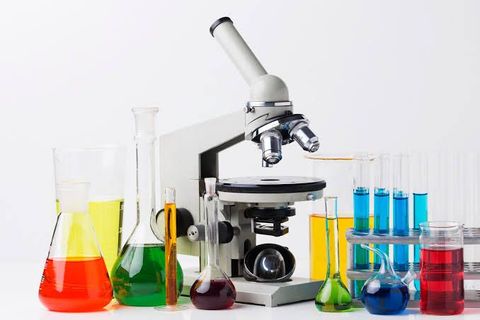
| Microscopes | Visual examination of samples |
| Centrifuges | Separation of materials |
| Spectrophotometers | Light-based analysis |
| Incubators | Controlled environmental conditions |
| Analytical Balances | Precision measurement |
| Autoclaves | Sterilization processes |
| pH Meters | Acidity and alkalinity measurement |
| Chromatography Systems | Chemical separation and analysis |
| Laboratory Freezers | Sample preservation |
| Fume Hoods | Safety and contamination control |
The increasing use of laboratory information management systems (LIMS), digital monitoring devices, and automated testing platforms is transforming how laboratories operate.
Recent Updates and Industry Trends
The laboratory equipment sector has experienced significant technological developments during 2025 and 2026. Several trends are shaping the future of laboratory operations.
Laboratory Automation Expansion
Throughout 2025, many research and testing facilities continued adopting automated workflows to improve efficiency and reduce manual errors. Automated sample handling systems and robotic laboratory platforms became more widely used in research environments.
Artificial Intelligence Integration
AI-assisted data interpretation gained attention during 2025 and 2026. Laboratory software increasingly incorporates machine learning tools to help analyze large datasets and identify patterns more efficiently.
Remote Monitoring Technologies
Cloud-connected laboratory equipment expanded further during the past year. Researchers can now monitor instrument performance, environmental conditions, and testing processes through secure digital platforms.
Sustainability Initiatives
Many laboratories are focusing on reducing energy consumption and minimizing waste. Energy-efficient laboratory freezers, sustainable packaging practices, and improved resource management systems have become notable priorities.
Digital Documentation
Electronic laboratory notebooks (ELNs) and digital record-keeping systems continue replacing paper-based workflows. This trend supports improved collaboration, data integrity, and regulatory compliance.
Laboratory Technology Adoption Trend
| Technology Area | Adoption Trend (2026) |
|---|---|
| Laboratory Automation | High Growth |
| AI-Based Analytics | Growing |
| Remote Monitoring | High Growth |
| Digital Documentation | Widely Adopted |
| Cloud Data Management | Growing |
| Sustainability Technologies | Increasing |
Laws, Regulations, and Policy Considerations
Laboratory operations are influenced by regulations designed to ensure safety, quality, accuracy, and environmental responsibility.
Laboratory Safety Regulations
Many countries require laboratories to follow workplace safety standards covering:
- Chemical handling procedures
- Personal protective equipment (PPE)
- Hazard communication practices
- Emergency preparedness
- Equipment maintenance protocols
Quality Management Standards
International quality frameworks help laboratories maintain consistent performance. One widely recognized standard is ISO 17025, which focuses on testing and calibration laboratory competence.
Medical Laboratory Requirements
Clinical laboratories often operate under additional healthcare regulations that govern:
- Diagnostic testing accuracy
- Sample management
- Data privacy
- Quality assurance procedures
Environmental Compliance
Environmental testing laboratories may be subject to regulations regarding:
- Waste disposal
- Chemical storage
- Water quality analysis
- Air quality monitoring
Data Protection Rules
As laboratories increasingly use digital systems, data security and privacy requirements have become more important. Organizations must manage scientific and operational data responsibly.
Key Compliance Areas
| Compliance Area | Main Objective |
|---|---|
| Safety Standards | Protect personnel |
| Quality Systems | Ensure reliable results |
| Environmental Rules | Reduce environmental impact |
| Equipment Validation | Maintain accuracy |
| Data Protection | Secure information |
Useful Tools and Resources
A variety of digital tools help laboratories improve organization, compliance, and efficiency.
Laboratory Information Management Systems (LIMS)
These platforms help manage:
- Sample tracking
- Data storage
- Reporting
- Workflow management
Electronic Laboratory Notebooks (ELN)
Common functions include:
- Digital documentation
- Research collaboration
- Data organization
- Record preservation
Calibration Tracking Software
Useful for monitoring:
- Equipment maintenance schedules
- Calibration records
- Performance verification
Scientific Data Analysis Platforms
Researchers use these tools for:
- Statistical analysis
- Data visualization
- Experiment interpretation
Safety and Compliance Resources
Helpful resources include:
- Laboratory safety checklists
- Risk assessment templates
- Equipment validation guides
- Regulatory reference materials
Educational Resources
Popular learning materials often include:
- Scientific journals
- Research databases
- Technical manuals
- Laboratory training modules
- Academic publications
Laboratory Equipment Selection Considerations
When evaluating laboratory technologies, organizations commonly review several factors.
| Consideration | Importance |
|---|---|
| Accuracy | Supports reliable results |
| Reliability | Reduces downtime |
| Scalability | Supports future growth |
| Compliance | Meets regulations |
| Data Integration | Improves workflows |
| Safety Features | Protects personnel |
These considerations help laboratories maintain efficient operations while supporting scientific objectives.
Frequently Asked Questions
What is laboratory equipment?
Laboratory equipment refers to instruments, devices, and tools used for scientific testing, analysis, measurement, experimentation, and research activities in various fields including healthcare, education, manufacturing, and environmental science.
Why is laboratory calibration important?
Calibration helps ensure that instruments provide accurate and reliable measurements. Proper calibration supports quality control, regulatory compliance, and trustworthy scientific results.
What is a Laboratory Information Management System (LIMS)?
A LIMS is software designed to manage laboratory data, track samples, organize workflows, and improve operational efficiency within research and testing environments.
How is laboratory automation changing research?
Automation reduces repetitive manual tasks, improves consistency, increases productivity, and allows researchers to focus more on analysis and innovation.
What safety measures are important in laboratories?
Important safety measures include using personal protective equipment, following chemical handling procedures, maintaining equipment properly, conducting risk assessments, and complying with safety regulations.
The Future of Laboratory Equipment
Laboratory technology is expected to continue evolving through greater automation, advanced analytics, improved connectivity, and smarter data management systems. Emerging technologies such as artificial intelligence, predictive maintenance, digital twins, and advanced robotics may further transform laboratory operations over the coming years.
Researchers, educators, healthcare professionals, and industrial organizations are increasingly relying on integrated digital ecosystems that connect instruments, software platforms, and analytical tools. This trend supports better decision-making, improved efficiency, and stronger quality assurance practices.
Conclusion
Laboratory equipment remains a fundamental component of scientific discovery, healthcare advancement, environmental monitoring, and industrial quality control. Digital resources related to lab equipment have become increasingly valuable as organizations seek accurate information, regulatory guidance, educational materials, and technology updates.
Recent developments in automation, artificial intelligence, cloud connectivity, and sustainability continue shaping modern laboratory environments. At the same time, safety regulations, quality standards, and data management requirements remain essential considerations for laboratories worldwide.
Understanding laboratory equipment, industry trends, compliance requirements, and available digital resources can help individuals and organizations stay informed about one of the most important foundations of modern science and technology.