Table of Contents

Explore Lifting Equipment Guide: Basics, Safety Tips, Insights, and Essential Information

Explore Lifting Equipment Guide: Basics, Safety Tips, Insights, and Essential Information

Lifting equipment refers to machines, tools, and attachments designed to raise, lower, move, or secure heavy materials safely. These systems are commonly used in construction, logistics, manufacturing, shipping, warehousing, mining, and infrastructure projects. Examples include cranes, hoists, forklifts, lifting slings, winches, jacks, and overhead lifting systems.


The development of industrial lifting systems became important as workplaces started handling heavier materials and larger production volumes. Manual lifting often created safety risks, operational delays, and physical strain. Modern lifting technology helps reduce workplace injuries, improve productivity, and support safer handling practices.

Today, lifting equipment is considered an essential part of industrial operations. Many industries depend on proper material handling equipment to move machinery, construction materials, containers, and industrial products efficiently.

Why Lifting Equipment Matters

Lifting equipment plays a major role in workplace safety and operational efficiency. Improper lifting methods can lead to accidents, structural damage, and worker injuries. Reliable lifting tools help reduce these risks while supporting faster and more organized workflows.

Industries that commonly use lifting systems include:

IndustryCommon Equipment UsedMain Purpose
ConstructionTower cranes, hoistsMoving heavy building materials
WarehousingForklifts, pallet stackersInventory movement
ManufacturingOverhead cranesEquipment positioning
Shipping & PortsContainer cranesCargo handling
MiningHydraulic lifting systemsHeavy machinery transport

Several factors have increased the importance of lifting equipment in recent years:

  • Growth of automated warehouses
  • Expansion of large infrastructure projects
  • Increased workplace safety awareness
  • Demand for efficient logistics systems
  • Adoption of smart industrial technologies

Heavy lifting operations can also affect productivity when equipment is outdated or poorly maintained. Modern crane safety systems and load monitoring tools help organizations reduce downtime and improve operational planning.

Common Types of Lifting Equipment

Different industries use specialized lifting systems depending on load capacity, working environment, and operational requirements.

Cranes

Cranes are widely used for vertical and horizontal lifting tasks. Common types include:

  • Mobile cranes
  • Tower cranes
  • Overhead bridge cranes
  • Gantry cranes
  • Crawler cranes

These systems are often equipped with electronic load indicators and advanced rigging inspection technology.

Hoists

Hoists use chains, wire ropes, or hydraulic mechanisms to lift loads vertically. Electric chain hoists are commonly found in warehouses and workshops.

Forklifts

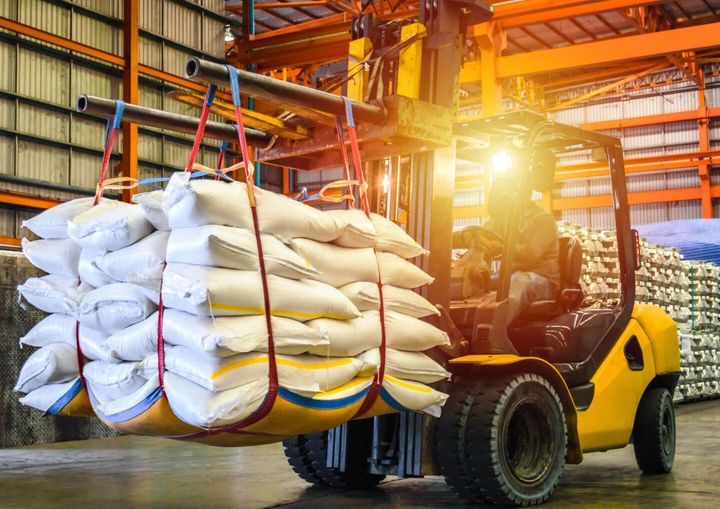
Forklifts are industrial vehicles designed for lifting and transporting pallets and materials over short distances. Modern electric forklifts are becoming more common due to lower emissions and reduced noise.

Slings and Rigging Equipment

Slings, shackles, hooks, and lifting beams are important for securing loads during lifting operations. Proper rigging safety procedures are necessary to prevent load instability.

Workplace Safety and Risk Prevention

Lifting equipment safety is a major concern across industrial sectors. Improper use can lead to equipment failure, falling loads, and serious injuries.

Important workplace lifting safety practices include:

  • Conducting regular equipment inspections
  • Following manufacturer load limits
  • Using certified rigging components
  • Training workers on safe lifting procedures
  • Monitoring weather conditions during outdoor lifting
  • Maintaining proper communication between operators and ground teams

The table below highlights common lifting risks and prevention measures:

Risk FactorPossible HazardPrevention Method
OverloadingEquipment collapseLoad monitoring systems
Poor riggingFalling materialsCertified rigging inspection
Lack of trainingOperator errorSafety certification programs
Equipment wearMechanical failurePreventive maintenance
Unstable surfacesCrane tippingGround condition assessment

Industrial safety organizations continue promoting awareness around crane inspection standards and lifting operation planning.

Recent Updates and Industry Trends

Over the past year, several developments have influenced the lifting equipment industry.

Increased Automation in 2025

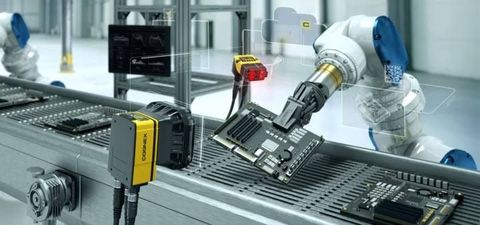
During 2025, many logistics and manufacturing facilities expanded the use of automated material handling systems. Smart cranes and sensor-based lifting systems are becoming more common in warehouses and distribution centers.

Features now frequently include:

  • Remote operation technology
  • Load balancing sensors
  • AI-assisted monitoring systems
  • Predictive maintenance software
  • Digital inspection tracking

These systems help improve operational efficiency while reducing manual intervention.

Sustainability and Electric Equipment

Many industrial operators have shifted toward electric forklifts and low-emission lifting systems during 2025. Environmental regulations and workplace sustainability initiatives continue encouraging cleaner industrial equipment.

Growth in Infrastructure Projects

Several countries announced large transportation and infrastructure developments between 2024 and 2025. This has increased demand for heavy lifting machinery and construction crane operations.

Digital Safety Compliance

Digital recordkeeping for lifting inspections has also expanded recently. Mobile inspection apps and cloud-based maintenance platforms are helping organizations track compliance more efficiently.

Regulations and Compliance Standards

Lifting equipment operations are usually regulated through workplace safety laws, engineering standards, and inspection requirements. Regulations vary by region, but most focus on operator safety, equipment maintenance, and load handling procedures.

Common compliance areas include:

  • Routine inspection schedules
  • Operator certification requirements
  • Load capacity labeling
  • Emergency stop systems
  • Equipment maintenance documentation
  • Rigging safety procedures

Several international standards organizations influence industrial lifting regulations:

OrganizationFocus Area
OSHAWorkplace safety standards
ISOInternational equipment standards
ASMEMechanical engineering safety
LOLERLifting operation regulations
ANSIIndustrial equipment guidelines

Many workplaces also require periodic third-party inspections for cranes, hoists, and pressure lifting systems.

Failure to follow lifting safety standards can increase operational risks and create compliance concerns during audits or inspections.

Technology Used in Modern Lifting Equipment

Advanced technology has changed how lifting systems operate. Modern industrial lifting equipment often includes digital tools that improve safety and efficiency.

Smart Sensors

Sensors can monitor:

  • Load weight
  • Equipment balance
  • Wire rope condition
  • Structural stress
  • Operating temperature

These systems help detect problems early and reduce unexpected failures.

Telematics Systems

Telematics allows operators and managers to monitor lifting equipment remotely. Data collected may include:

  • Usage hours
  • Fuel or battery performance
  • Maintenance schedules
  • Operating efficiency
  • Fault alerts

Predictive Maintenance

Predictive maintenance software uses operational data to identify wear patterns before equipment failure occurs. This approach can reduce downtime and improve equipment lifespan.

Helpful Tools and Resources

Several digital tools and educational resources support lifting equipment operations and workplace safety planning.

Tool or ResourcePurpose
Load calculation calculatorsEstimate safe lifting capacity
Crane inspection checklistsTrack maintenance records
Rigging angle calculatorsImprove load stability
Forklift safety appsOperator guidance
Maintenance management softwareSchedule inspections
Safety training platformsWorker education

Useful educational resources may include:

  • Occupational safety websites
  • Industrial engineering associations
  • Material handling training programs
  • Equipment manufacturer manuals
  • Digital compliance management platforms

Some organizations also provide downloadable lifting plans and inspection templates for industrial operations.

Frequently Asked Questions

What is considered lifting equipment?

Lifting equipment includes machinery and accessories used for raising, lowering, or moving loads. Examples include cranes, hoists, forklifts, slings, lifting beams, and hydraulic jacks.

Why are lifting inspections important?

Regular inspections help identify damage, wear, or mechanical issues before equipment failure occurs. Inspections also support workplace safety compliance and operational reliability.

What is the difference between lifting equipment and rigging equipment?

Lifting equipment performs the actual lifting operation, while rigging equipment helps attach, stabilize, or secure the load during movement.

How often should lifting equipment be inspected?

Inspection frequency depends on equipment type, operating conditions, and local safety regulations. Many workplaces perform daily visual checks along with scheduled detailed inspections.

What industries rely heavily on lifting systems?

Construction, manufacturing, warehousing, shipping, mining, energy, and transportation sectors commonly use industrial lifting equipment.

Conclusion

Lifting equipment remains an important part of modern industrial operations. From construction sites to automated warehouses, these systems help improve material handling efficiency and workplace safety. Proper training, routine inspections, and compliance with lifting safety standards are essential for reducing risks and supporting reliable operations.

Recent developments in automation, predictive maintenance, and electric lifting systems continue shaping the future of industrial lifting technology. As industries expand and infrastructure projects grow, the importance of safe and efficient lifting operations is expected to remain significant.

Understanding the basics of lifting equipment, workplace safety practices, regulatory standards, and modern technologies can help individuals and organizations make informed operational decisions while maintaining safer working environments.


author-image

Harshit Sharma

We are a performance-driven media buying team focused on scaling brands through smart, data-backed advertising strategies

May 15, 2026 . 8 min read