Table of Contents

Explore Luxury Yacht Insights: Complete Guide, Tips, Facts, and Expert Knowledge

Explore Luxury Yacht Insights: Complete Guide, Tips, Facts, and Expert Knowledge

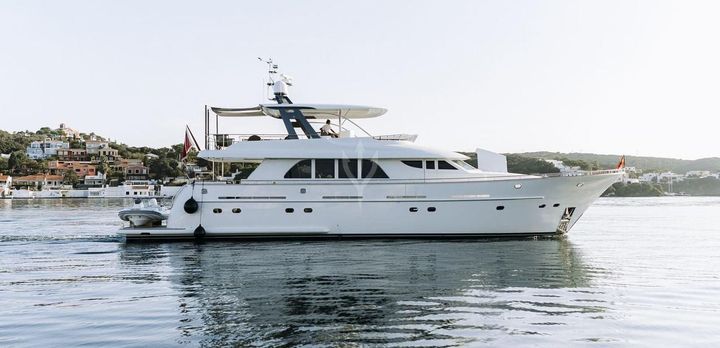
Luxury yachts are large recreational watercraft designed for leisure travel, entertainment, long-distance cruising, and marine exploration. These vessels are commonly associated with premium marine engineering, advanced navigation systems, and personalized onboard experiences. Over the years, the yacht industry has evolved from simple private boats into technologically advanced maritime assets featuring smart automation, sustainable energy systems, and luxury hospitality amenities.


Modern yachts vary in size, design, and operational purpose. Some are designed for coastal travel, while others are built for international ocean voyages. Categories often include motor yachts, sailing yachts, expedition yachts, and hybrid eco-yachts. Yacht construction typically involves advanced materials such as aluminum, steel, fiberglass, and carbon fiber to improve durability and fuel efficiency.

High-value maritime sectors such as yacht insurance, marine financing, offshore asset management, international marina infrastructure, luxury travel technology, and yacht charter analytics have become increasingly important within the broader marine economy. These areas are often linked with high CPC informational keywords because they relate to premium industries and specialized financial services.

The growth of digital navigation systems, marine cybersecurity, satellite communication networks, and smart vessel management tools has also transformed how modern yachts operate across global waters.

Why Luxury Yacht Knowledge Matters Today

The global luxury yacht sector now influences multiple industries beyond recreation. Maritime tourism, marine engineering, environmental sustainability, ocean technology, and international travel regulations are all connected to yacht operations.

Several factors explain why yacht-related knowledge has become more relevant in recent years:

TopicWhy It Matters
Marine TechnologySmart navigation and automation improve safety and efficiency
Environmental PoliciesNew emissions rules affect vessel design and fuel systems
Maritime TourismCoastal economies benefit from yacht tourism activities
Ocean ResearchExpedition yachts support scientific and exploration projects
Digital SecurityConnected vessels require cybersecurity protection

Luxury yacht infrastructure also supports employment in shipbuilding, marina operations, logistics, hospitality management, and marine legal consulting. Coastal regions with advanced marina networks often see increased tourism-related economic activity.

In addition, climate discussions have encouraged more interest in sustainable maritime transportation. Yacht manufacturers are increasingly researching hybrid propulsion systems, electric vessel technology, and low-emission marine fuels to reduce environmental impact.

Yacht education has also expanded online. Many educational resources now explain marine navigation basics, yacht safety systems, maritime certifications, and international boating regulations in simple language for broader audiences.

Recent Updates and Industry Trends

The luxury yacht industry experienced several notable developments during 2025 and early 2026. Environmental innovation and digital transformation remained major themes across global maritime markets.

Expansion of Hybrid Yacht Technology

During 2025, several major yacht builders introduced hybrid propulsion models combining traditional engines with electric battery systems. These systems are designed to improve fuel efficiency and reduce noise levels during coastal navigation.

Industry analysts also observed increased investment in hydrogen-compatible marine research projects. Although full-scale hydrogen yachts remain limited, pilot programs continued expanding throughout late 2025.

Growth of Smart Yacht Automation

Artificial intelligence and integrated vessel management systems became more common in premium yacht designs during 2025. Smart bridge systems can now monitor:

  • Fuel usage
  • Weather conditions
  • Route optimization
  • Engine diagnostics
  • Maintenance scheduling
  • Maritime traffic data

This technology improves operational awareness and long-distance navigation efficiency.

Increased Focus on Sustainability

Environmental sustainability became a stronger priority across marine manufacturing sectors. New yacht concepts increasingly include:

  • Solar-assisted energy systems
  • Advanced wastewater treatment
  • Energy-efficient lighting
  • Recyclable interior materials
  • Reduced underwater noise technology

Many maritime organizations also introduced sustainability reporting standards for marine tourism operators.

Rising Interest in Expedition Yachts

Expedition-style yachts gained popularity because of increased interest in remote travel experiences and long-range exploration. These vessels are built for challenging ocean conditions and extended voyages.

Cybersecurity Awareness

As yachts become more digitally connected, marine cybersecurity emerged as a major topic in 2025. Industry reports highlighted risks involving satellite communication systems, navigation software vulnerabilities, and onboard network security.

Regulations, Maritime Policies, and Government Oversight

Luxury yachts operate under a complex system of international maritime regulations. These rules help improve navigation safety, environmental protection, and operational compliance.

Several organizations play important roles in regulating yacht operations globally.

OrganizationRegulatory Focus
International Maritime Organization (IMO)Maritime safety and pollution standards
Maritime Coast Guard AgenciesVessel inspections and navigation compliance
Port AuthoritiesMarina access and local harbor regulations
Environmental AgenciesEmissions and marine ecosystem protection

Environmental Regulations

The International Maritime Organization has continued implementing stricter marine emissions policies. These regulations influence engine technology, fuel systems, and operational practices for large vessels.

Low-sulfur fuel requirements and emissions control areas affect how yachts operate in certain coastal waters. Some regions also encourage reduced-idling practices and sustainable waste management systems.

Safety Certification Requirements

Many large yachts must comply with maritime safety standards involving:

  • Emergency communication systems
  • Fire suppression equipment
  • Navigation lighting
  • Crew training protocols
  • Passenger safety measures

Certification requirements vary depending on vessel size, operational area, and registration jurisdiction.

Data and Communication Policies

Satellite communication systems used on modern yachts may also fall under international communication regulations. Operators increasingly focus on data privacy and secure onboard digital infrastructure.

Helpful Tools, Platforms, and Educational Resources

A wide range of educational tools and marine technology platforms support yacht learning, navigation awareness, and vessel management research.

Tool or ResourceMain Purpose
Marine Traffic PlatformsVessel tracking and route monitoring
Weather Routing SoftwareOcean forecasting and navigation planning
Yacht Design SimulatorsVisual yacht configuration and engineering concepts
Maritime Safety AppsEmergency procedures and safety references
Fuel Efficiency CalculatorsMarine fuel consumption estimates
Digital Nautical ChartsNavigation and coastal mapping

Some commonly referenced maritime resources include:

Educational content related to marine engineering, yacht management, vessel analytics, and maritime law is also increasingly available through online learning platforms and digital maritime libraries.

Yacht Size Categories and Common Features

Yacht TypeApproximate SizeTypical Features
Sport Yacht30–60 feetHigh-speed performance and compact luxury
Motor Yacht60–200 feetLong-range cruising and entertainment areas
Sailing Yacht40–150 feetWind-powered navigation systems
Expedition Yacht80–300 feetIce-class hulls and exploration capability
Hybrid YachtVarious sizesElectric-assisted propulsion systems

Common onboard technologies may include:

  • GPS navigation systems
  • Satellite internet communication
  • Stabilization systems
  • Smart climate control
  • Automated lighting systems
  • Advanced radar equipment

Frequently Asked Questions

What is the difference between a yacht and a regular boat?

A yacht is generally designed for recreational luxury, long-distance travel, or private leisure experiences. Yachts often include advanced navigation systems, larger living spaces, and premium onboard amenities compared to standard recreational boats.

Why are hybrid yachts becoming more popular?

Hybrid yachts support improved fuel efficiency and reduced environmental impact. They also provide quieter operation during low-speed cruising and marina navigation.

What factors affect yacht operation and maintenance?

Important factors include vessel size, engine systems, navigation technology, weather conditions, fuel management, and maritime regulatory compliance. Maintenance schedules are also critical for safety and operational reliability.

How do modern yachts improve navigation safety?

Modern yachts use advanced radar systems, GPS tracking, satellite communication tools, digital nautical charts, and automated route monitoring systems to improve maritime safety and navigation awareness.

Are there international rules for yacht operations?

Yes. International maritime organizations and regional maritime authorities establish rules related to emissions, safety standards, communication systems, and navigation procedures for vessels operating in international waters.

Conclusion

Luxury yachts represent a combination of marine engineering, advanced navigation technology, global maritime regulation, and modern travel innovation. The industry continues evolving through sustainability initiatives, hybrid propulsion systems, digital automation, and improved maritime safety practices.

Growing interest in marine technology, environmental protection, and offshore exploration has expanded public awareness of how yachts operate within the broader global economy. Educational resources, digital navigation tools, and maritime policy updates now play an important role in helping individuals understand this specialized sector.

As marine industries continue adapting to environmental standards and technological advancement, luxury yachts are expected to remain important examples of innovation in global maritime transportation and recreational vessel design.


author-image

Harshit Sharma

We are a performance-driven media buying team focused on scaling brands through smart, data-backed advertising strategies

May 14, 2026 . 9 min read