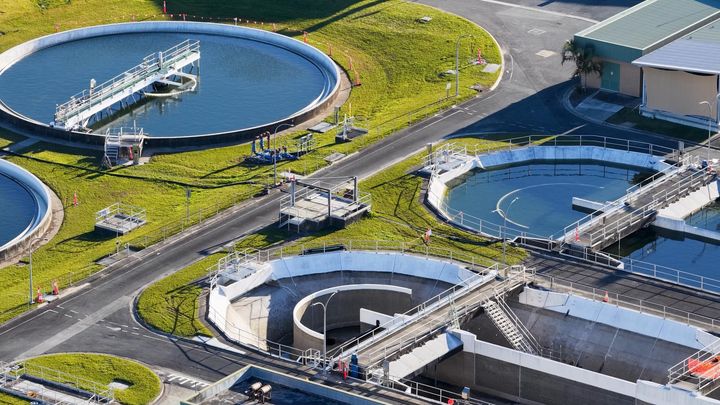
Wastewater Recycling: Treatment Methods, Water Conservation, and Sustainability Insights
Wastewater recycling is the process of collecting used water from homes, industries, and commercial facilities and treating it so it can be reused safely for different purposes. This process supports water conservation, reduces pollution, and helps communities manage limited freshwater resources.
Understanding Wastewater Recycling
Wastewater can come from kitchens, bathrooms, factories, farms, hospitals, and public drainage systems. Instead of releasing untreated water into rivers, lakes, or oceans, modern wastewater treatment systems clean the water through physical, biological, and chemical processes.
Today, wastewater recycling technology is used in municipal wastewater treatment facilities, industrial wastewater treatment plants, and commercial buildings. Treated water is commonly reused for irrigation, cooling systems, landscaping, construction, industrial processes, and groundwater recharge.
As climate change, urban growth, and rising water demand continue to pressure freshwater supplies, wastewater management solutions have become an important part of sustainable development.
| Common Sources of Wastewater | Typical Reuse Applications |
|---|---|
| Residential sewage | Landscaping and irrigation |
| Industrial discharge | Cooling towers and manufacturing |
| Commercial facilities | Toilet flushing and cleaning |
| Agricultural runoff | Irrigation and soil management |
| Stormwater systems | Groundwater recharge |
Why Wastewater Recycling Matters Today
Water scarcity is becoming a major challenge in many parts of the world. Population growth, industrial activity, and climate-related droughts are increasing pressure on natural water supplies. Wastewater recycling helps reduce dependence on freshwater resources by turning used water into a renewable water resource.
Cities rely heavily on municipal wastewater treatment to protect public health and reduce contamination in rivers and lakes. Industries use industrial wastewater treatment systems to manage chemicals, oils, and pollutants before discharge or reuse.
Wastewater recycling also supports environmental protection. Untreated wastewater can damage aquatic ecosystems, contaminate groundwater, and spread harmful pathogens. Proper treatment helps reduce pollution and improves water quality.
This topic affects:
- Urban communities facing water shortages
- Industrial sectors with high water consumption
- Farmers using reclaimed water for irrigation
- Governments managing environmental compliance
- Environmental organizations focused on sustainability
The growing focus on sustainability and circular water management has increased investment in reverse osmosis water treatment, commercial filtration equipment, and advanced wastewater recycling technology.
Different Types of Wastewater Recycling Systems
Wastewater recycling includes several treatment approaches depending on the water source and intended reuse.
Municipal Wastewater Treatment
Municipal wastewater treatment handles sewage and wastewater generated from homes, offices, and public infrastructure. Treatment plants remove solids, bacteria, nutrients, and contaminants before the water is discharged or reused.
Common treatment stages include:
- Preliminary screening
- Primary sedimentation
- Biological treatment
- Filtration and disinfection
Many cities now integrate wastewater recycling technology into urban planning to support non-drinking water applications.
Industrial Wastewater Treatment
Industrial wastewater treatment focuses on removing chemicals, heavy metals, oils, and industrial pollutants. Industries such as textiles, pharmaceuticals, food processing, and manufacturing often use specialized effluent treatment plant systems.
Industrial filtration systems may include:
- Membrane filtration
- Activated carbon filtration
- Chemical treatment
- Sludge separation
- Reverse osmosis water treatment
Decentralized Wastewater Treatment Systems
These smaller systems treat wastewater close to where it is generated. Apartment complexes, hotels, hospitals, and rural communities often use decentralized treatment systems.
These systems reduce pressure on large municipal infrastructure and support localized water reuse.
Graywater Recycling Systems
Graywater refers to relatively low-contamination water from sinks, showers, and laundry systems. After basic treatment, graywater can be reused for gardening and flushing applications.
Zero Liquid Discharge Systems
Zero Liquid Discharge, commonly called ZLD, is an advanced wastewater management solution used mainly in industries. These systems recover usable water while minimizing liquid waste discharge.
Wastewater Treatment Process Overview
Benefits and Applications of Wastewater Recycling
Wastewater recycling provides environmental, economic, and operational advantages.
Water Conservation
Recycling wastewater reduces pressure on rivers, lakes, and groundwater reserves. Treated wastewater can supplement freshwater supplies for non-potable uses.
Pollution Reduction
Proper wastewater treatment systems prevent untreated sewage and industrial discharge from contaminating natural ecosystems.
Support for Industrial Operations
Industries use recycled water in cooling systems, cleaning processes, and production activities. Industrial filtration systems help improve water efficiency and reduce operational waste.
Sustainable Urban Development
Cities increasingly include wastewater management solutions in long-term infrastructure planning. Recycled water supports landscaping, construction, firefighting, and public sanitation.
Agricultural Applications
In many regions, treated wastewater is used for irrigation. This reduces dependence on freshwater while supporting food production.
Energy and Resource Recovery
Modern effluent treatment plant technologies can recover nutrients, biogas, and reusable materials from wastewater.
| Application Area | Example Use |
| Agriculture | Irrigation and soil moisture support |
| Manufacturing | Cooling and processing water |
| Commercial Buildings | Toilet flushing and landscaping |
| Municipal Services | Road cleaning and parks |
| Construction | Dust control and concrete mixing |
Leading Companies in Wastewater Recycling and Treatment
Several global companies are known for wastewater treatment systems, industrial filtration systems, and sustainability-focused water technologies.
- Veolia-France-based environmental services company.
- SUEZ-France-based water and waste management company.
- Xylem Inc.-United States water technology company.
- Ecolab-United States sustainability and water management company.
- Pentair-United States filtration and water solutions company.
These organizations work on municipal wastewater treatment, industrial wastewater treatment, membrane filtration, and advanced recycling technologies.
Recent Trends and Industry Updates
Wastewater recycling has seen increased attention over the past year due to growing water stress and sustainability goals.
In 2025, several Indian states expanded wastewater reuse initiatives and introduced stronger wastewater management policies. Maharashtra approved a wastewater reuse policy for urban local bodies to promote circular water management and reduce freshwater consumption.
Reports from 2025 also highlighted that cities are investing more in sewage treatment plants and decentralized wastewater treatment systems under national urban development programs.
The National Institution for Transforming India, commonly known as NITI Aayog, discussed the need for uniform wastewater reuse standards and long-term reuse targets across states.
In Uttar Pradesh, authorities announced plans targeting 100% treated wastewater reuse by 2035 for industrial and agricultural applications.
Recent trends in wastewater recycling technology include:
- Greater adoption of reverse osmosis water treatment
- Smart monitoring and sensor-based treatment systems
- Expansion of decentralized treatment systems
- Increased use of membrane bioreactor technology
- Circular economy strategies for water reuse
Laws, Policies, and Government Programs
Wastewater recycling is regulated through environmental laws, pollution control standards, and water management programs.
In India, wastewater treatment and discharge are guided by agencies such as the Central Pollution Control Board and State Pollution Control Boards.
Important regulations and programs include:
- Water (Prevention and Control of Pollution) Act, 1974
- Environment Protection Act, 1986
- National Water Policy
- Jal Jeevan Mission
- AMRUT Mission for urban infrastructure
- Namami Gange Programme
Industries are often required to operate effluent treatment plant systems before discharging wastewater. Environmental authorities monitor parameters such as biological oxygen demand, chemical oxygen demand, pH levels, and suspended solids.
Many states are also encouraging wastewater reuse for industrial cooling, irrigation, landscaping, and construction applications.
| Regulatory Focus Area | Purpose |
| Pollution Control Standards | Reduce contamination in water bodies |
| Effluent Monitoring | Ensure safe discharge levels |
| Reuse Policies | Encourage water recycling |
| Urban Infrastructure Programs | Expand treatment capacity |
| Industrial Compliance Rules | Improve environmental management |
Helpful Tools and Resources
Many digital tools, organizations, and educational resources help individuals and industries understand wastewater management solutions.
Useful resources include:
- Central Pollution Control Board – Environmental standards and wastewater regulations
- Ministry of Jal Shakti – Water management programs and policy updates
- United Nations Water – Global water sustainability insights
- World Health Organization Water Resources – Public health and sanitation information
- Water quality testing kits for residential and industrial use
- Industrial monitoring software for wastewater treatment systems
- Flow measurement and filtration analysis tools
Some organizations also use digital dashboards and sensor-based platforms to monitor effluent treatment plant performance and water quality.
Frequently Asked Questions
Is recycled wastewater safe to use?
Yes, treated wastewater can be safe for many non-drinking applications when it meets regulatory standards. The treatment level depends on the intended reuse purpose.
What is the difference between sewage treatment and wastewater recycling?
Sewage treatment focuses on cleaning wastewater before discharge, while wastewater recycling aims to treat and reuse the water for future applications.
How does reverse osmosis water treatment work?
Reverse osmosis uses a semi-permeable membrane to remove dissolved salts, contaminants, and impurities from water under pressure.
Which industries commonly use industrial wastewater treatment systems?
Industries such as pharmaceuticals, textiles, food processing, chemicals, power generation, and manufacturing commonly use industrial wastewater treatment systems.
Can recycled wastewater be used for drinking?
Some advanced treatment systems can produce potable-quality water, but strict regulations, monitoring, and additional purification steps are required.
Are wastewater recycling systems affected by environmental regulations?
Yes, governments regulate wastewater discharge, reuse quality, and environmental safety through pollution control laws and treatment standards.
Conclusion
Wastewater recycling has become an important part of modern water conservation and environmental management. As freshwater resources face increasing pressure, wastewater treatment systems help communities, industries, and governments manage water more responsibly.
Technologies such as industrial filtration systems, reverse osmosis water treatment, and advanced effluent treatment plant infrastructure continue to improve the efficiency and safety of recycled water.
Municipal wastewater treatment and industrial wastewater treatment systems are now viewed as essential components of sustainable infrastructure. Governments are expanding reuse policies, industries are improving compliance systems, and cities are investing in circular water management strategies.
Although challenges related to infrastructure, monitoring, and public awareness remain, wastewater recycling technology continues to evolve as a practical solution for long-term water sustainability.
Disclaimer: Any references to infrastructure investment, technology deployment, or operational planning are informational estimates only. Regulatory requirements, implementation timelines, and technical specifications may vary by location and industry sector.