Explore Luxury Mattress Basics: Expert Suggestions, Sleep Comfort Details, Helpful Resources, and Smart Buying Information
Luxury mattresses are premium sleep products designed to improve comfort, body support, and long-term sleep quality through advanced materials and construction methods. These mattresses often include multiple comfort layers, temperature-regulating fabrics, high-density foam, latex, or hybrid spring systems intended to support different sleeping positions and body types.
The growing interest in sleep wellness has increased attention toward premium bedding products. Modern consumers now view sleep as an important part of physical recovery, productivity, and mental wellness. As a result, luxury mattresses have become associated with personalized comfort, ergonomic design, and advanced sleep technology rather than simple bedding products.
Traditional mattresses were mainly focused on basic cushioning and durability. In contrast, modern luxury sleep systems emphasize pressure relief, spinal alignment, motion isolation, and breathable materials. Some also integrate smart sleep tracking features and cooling technologies designed to help maintain stable sleeping temperatures during the night.
Why Sleep Comfort Matters Today
Sleep quality has become a widely discussed health and wellness topic across many countries. Long working hours, increased screen exposure, stress, and sedentary lifestyles have contributed to sleep-related concerns among adults and younger individuals alike.
Luxury mattress technology attempts to address several common sleep challenges, including:
- Back and neck discomfort
- Interrupted sleep cycles
- Heat retention during sleep
- Motion transfer between sleeping partners
- Inadequate spinal alignment
- Pressure point discomfort
Research organizations and sleep experts increasingly emphasize the importance of consistent and restorative sleep. Sleep quality can influence concentration, mood, daily energy levels, and overall recovery. Because people spend a significant portion of life sleeping, mattress design has become an important consideration in home wellness discussions.
Common Mattress Types and Their Features
| Mattress Type | Main Material | Common Features | Suitable For |
|---|---|---|---|
| Memory Foam | Viscoelastic foam | Pressure relief and contouring | Side sleepers |
| Hybrid Mattress | Foam + Springs | Balanced support and airflow | Mixed sleepers |
| Latex Mattress | Natural or synthetic latex | Durability and responsiveness | Eco-conscious users |
| Pillow Top | Extra cushioning layer | Plush surface comfort | Comfort-focused sleepers |
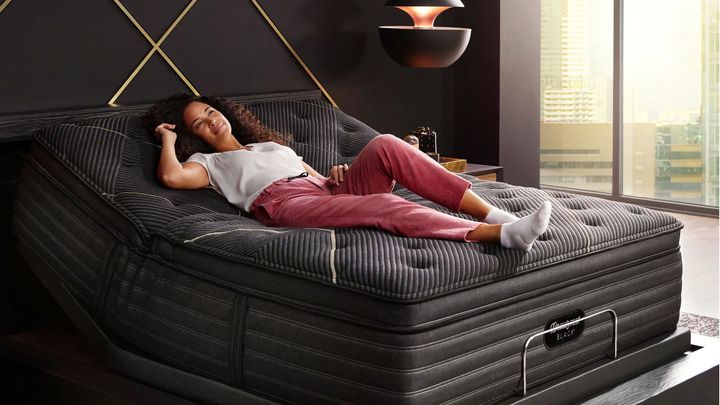
| Adjustable Smart Mattress | Electronic support systems | Personalized settings | Tech-oriented households |
Recent Trends and Developments in Luxury Sleep Technology
The luxury mattress industry has experienced notable innovation during the past year. Several trends have influenced both mattress design and consumer awareness.
Cooling and Temperature Regulation
Between 2025 and 2026, manufacturers increasingly introduced breathable foam layers, gel-infused materials, and moisture-control fabrics. Cooling mattress technology has become one of the most discussed topics in sleep wellness because temperature regulation directly affects sleep comfort.
Sustainable and Eco-Friendly Materials
Environmental concerns have also influenced mattress manufacturing trends. More companies now use:
- Organic cotton covers
- Natural latex
- Recyclable packaging
- Low-emission foam materials
- Fiberglass-free fire barriers
Consumers are paying closer attention to certifications related to environmental safety and indoor air quality.
Smart Sleep Tracking Features
Advanced mattress systems released in late 2025 included integrated sleep tracking sensors capable of monitoring movement, sleep duration, and sleep patterns. These features often connect with mobile applications that provide sleep insights and wellness data.
Increased Focus on Orthopedic Support
Healthcare and wellness discussions have encouraged interest in ergonomic mattress structures designed to support spinal positioning. Orthopedic sleep support remains a highly searched topic in digital advertising and wellness-related educational content.
Mattress Technology Comparison
| Feature | Traditional Mattress | Luxury Mattress |
|---|---|---|
| Motion Isolation | Limited | Advanced |
| Cooling Features | Basic | Multi-layer cooling systems |
| Pressure Relief | Moderate | Enhanced contouring |
| Material Variety | Limited | Multiple engineered layers |
| Sleep Tracking | Rare | Available in smart models |
| Durability Focus | Standard | High-density construction |
Regulations, Certifications, and Safety Standards
Luxury mattresses are affected by several safety regulations and manufacturing standards in many countries. These policies are intended to improve consumer safety, environmental responsibility, and product transparency.
Fire Safety Standards
Mattresses in several regions must comply with flammability requirements designed to reduce fire-related risks. Manufacturers often use flame-resistant barriers and tested materials to meet these standards.
Material Disclosure Requirements
Some governments and regulatory bodies require mattress labels that identify:
- Filling materials
- Foam composition
- Country of manufacture
- Safety warnings
- Chemical compliance information
Environmental and Chemical Certifications
Consumers frequently look for independent certifications connected to indoor air quality and reduced chemical emissions. Common examples include:
- CertiPUR-US certification
- OEKO-TEX textile standards
- Global Organic Textile Standard (GOTS)
- GREENGUARD certification
These certifications generally relate to foam emissions, textile processing, and environmental production practices.
Return Policies and Consumer Protection Rules
Many countries now require clearer disclosure of mattress trial periods, warranty details, and online purchase conditions. Digital commerce laws often influence how mattress companies communicate product specifications and return procedures.
Helpful Sleep and Mattress Resources
Several digital tools and educational resources can help people better understand mattress selection and sleep comfort factors.
Sleep Tracking Applications
Popular sleep tracking mobile applications monitor sleep duration, movement, and bedtime routines. These apps can help users identify patterns affecting sleep consistency.
Useful examples include:
- Sleep Cycle
- Calm
- Headspace
- Pillow Sleep Tracker
Mattress Firmness Guides
Online firmness charts and body-weight support calculators help users understand how different mattress structures respond to sleeping positions and pressure distribution.
Ergonomic Sleep Resources
Educational websites from sleep foundations and wellness organizations often publish guides about:
- Proper sleeping posture
- Sleep hygiene habits
- Bedroom temperature recommendations
- Pillow alignment suggestions
Home Wellness Platforms
Smart home systems increasingly integrate with sleep technology devices, including:
- Adjustable bed frames
- Smart lighting systems
- White noise devices
- Air quality monitors
Example of Mattress Firmness Preference
| Sleeping Position | Recommended Firmness |
|---|---|
| Side Sleeper | Soft to Medium |
| Back Sleeper | Medium to Firm |
| Stomach Sleeper | Firm |
| Combination Sleeper | Medium Hybrid Support |
Sleep Comfort and Wellness Insights
Luxury mattresses are often discussed alongside broader sleep wellness practices. Mattress quality alone does not guarantee improved rest, but it may contribute to a more supportive sleep environment when combined with healthy routines.
Experts commonly recommend the following sleep-supportive habits:
- Maintaining consistent sleep schedules
- Reducing screen exposure before bedtime
- Keeping bedrooms cool and dark
- Using supportive pillows
- Replacing aging mattresses when support declines
Sleep environments have become an important part of wellness-focused home design. Acoustic comfort, lighting control, breathable fabrics, and ergonomic furniture are now commonly associated with modern bedroom planning.
Frequently Asked Questions
What makes a luxury mattress different from a regular mattress?
Luxury mattresses typically use advanced materials, multi-layer support systems, cooling technologies, and enhanced comfort engineering compared to standard mattress designs.
Are memory foam mattresses suitable for all sleepers?
Memory foam mattresses may provide pressure relief and body contouring, but comfort preferences vary depending on body weight, sleeping position, and temperature sensitivity.
How long can a premium mattress typically last?
Durability depends on materials and maintenance. High-density foam, latex, and hybrid mattress systems are generally designed for longer-term structural support compared to lower-density materials.
Why are cooling mattress technologies becoming popular?
Cooling technologies aim to reduce heat retention during sleep. Many sleepers report discomfort caused by excessive warmth, especially in warmer climates or humid environments.
What certifications are commonly associated with mattress safety?
Consumers often look for certifications related to low chemical emissions, textile safety, and organic material standards, including CertiPUR-US, OEKO-TEX, and GREENGUARD.
Can mattress firmness affect spinal alignment?
Firmness levels may influence body posture during sleep. Appropriate support depends on sleeping position, body structure, and comfort preferences.
Final Thoughts
Luxury mattresses have evolved beyond traditional bedding products into advanced sleep comfort systems focused on wellness, support, temperature regulation, and ergonomic design. Increasing awareness of sleep health has encouraged consumers to explore mattress materials, construction quality, and sleep-supportive technologies more carefully.
Recent developments in cooling technology, sustainable manufacturing, and smart sleep tracking continue to shape the modern mattress industry. At the same time, safety certifications and regulatory standards play an important role in improving product transparency and consumer awareness.
Understanding mattress basics, support systems, and comfort technologies can help individuals make informed decisions about sleep environments and long-term wellness habits. Educational resources, sleep tracking tools, and ergonomic guidance also contribute to better awareness of how sleep quality affects everyday life.