Toothbrush Brush Guide: Basics, Types and Everyday Care Tips
A toothbrush brush is one of the most important tools for maintaining daily oral hygiene. It helps remove plaque, food particles, and bacteria from the teeth and gums, reducing the risk of common dental problems. Choosing the right toothbrush brush and using it correctly can support healthier teeth and gums over time.
Today, toothbrush brushes are available in many designs, including manual and electric options with different bristle types and head sizes. Understanding the basics, learning about different types, and following simple everyday care tips can help people of all ages maintain better oral health. This guide explains essential information in a clear and practical way.
Context
A toothbrush brush is a dental hygiene tool designed to clean the surfaces of teeth, the gum line, and parts of the tongue. It usually consists of a handle, a brush head, and soft or medium bristles. Dentists recommend brushing at least twice a day as part of a complete oral care routine.
The earliest toothbrushes were made from natural materials such as animal hair and bamboo. Modern toothbrush brushes use synthetic bristles that are designed for improved cleaning and durability. Continuous research has also resulted in ergonomic handles, compact brush heads, and electric toothbrush technologies.
Common Types of Toothbrush Brushes
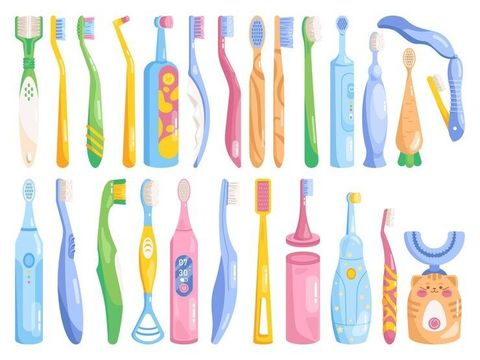
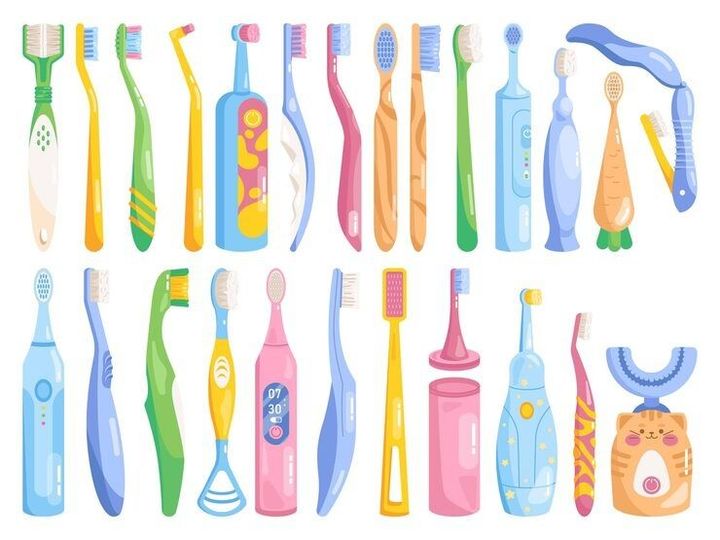
The main types include:
- Manual toothbrush
- Electric toothbrush
- Sonic toothbrush
- Battery-powered toothbrush
- Children's toothbrush
- Orthodontic toothbrush for braces
- Sensitive teeth toothbrush
- Interdental brush for cleaning between teeth
Different toothbrush types are suitable for different age groups and oral health needs. Dental professionals often recommend selecting a toothbrush based on individual comfort and dental condition.
Importance
Daily brushing plays a major role in preventing plaque buildup, tooth decay, and gum disease. It also supports fresh breath and helps maintain overall oral cleanliness.
People of every age benefit from proper brushing habits, including:
- Children developing healthy oral care routines
- Teenagers wearing braces or orthodontic appliances
- Adults maintaining healthy teeth and gums
- Older adults managing age-related dental concerns
Using the correct brushing technique is just as important as selecting the right toothbrush brush. Gentle circular movements are generally more effective than aggressive scrubbing, which may damage tooth enamel or irritate the gums.
Everyday Care Tips
Simple habits can improve toothbrush hygiene and effectiveness.
| Care Tip | Why It Matters |
|---|---|
| Rinse after every use | Removes toothpaste and debris |
| Store upright | Helps the brush dry naturally |
| Allow air drying | Reduces moisture buildup |
| Avoid sharing toothbrushes | Helps reduce bacterial transfer |
| Replace every 3–4 months | Maintains effective cleaning |
| Replace after illness if recommended | Supports better hygiene practices |
| Use gentle pressure | Helps protect enamel and gums |
Additional good habits include:
- Brush for about two minutes.
- Clean all tooth surfaces.
- Replace worn toothbrush brushes promptly.
- Keep toothbrushes separated when stored with others.
Recent Updates
Between 2024 and 2026, toothbrush brush technology has continued to develop with a stronger focus on oral health, sustainability, and digital support.
Several recent trends include:
- Greater availability of soft-bristle toothbrushes recommended by many dental professionals.
- Increased use of recyclable and environmentally conscious handle materials.
- Smart electric toothbrushes that connect with mobile applications to monitor brushing habits.
- Improved brush head designs that provide better access to hard-to-reach areas.
- Growing awareness of replacing toothbrush brushes regularly for effective cleaning.
Manufacturers have also focused on improving comfort through flexible neck designs, smaller brush heads, and ergonomic handles suitable for different hand sizes.
Research during this period has continued to emphasize that brushing technique and consistency remain more important than selecting complex toothbrush features.
Laws or Policies
Toothbrush brushes are regulated in many countries to help ensure product safety, quality, and consumer protection. Requirements vary by region, but manufacturers generally follow established standards for materials and labeling.
Common regulatory areas include:
- Safety testing of materials used in toothbrush production.
- Labeling requirements for intended use and age recommendations.
- Manufacturing quality standards.
- Packaging regulations.
- Environmental guidelines for recyclable materials in some regions.
Electric toothbrushes may also need to comply with electrical safety requirements depending on national regulations.
Consumers should read product instructions carefully and follow recommendations provided by dental professionals for proper toothbrush use.
Tools and Resources
Several educational resources can help people improve daily oral hygiene and learn more about toothbrush brush selection.
Useful resources include:
- World Health Organization oral health information
- National public health websites
- Dental association educational materials
- University dental education resources
- Oral hygiene tracking applications
- Toothbrushing reminder applications
Some mobile applications help users:
- Track brushing duration
- Create brushing reminders
- Monitor brushing habits
- Teach children proper brushing techniques through interactive learning
Educational materials from public health organizations often explain proper brushing techniques, flossing methods, and preventive oral care practices suitable for different age groups.
FAQs
What type of toothbrush brush is generally recommended?
Many dental professionals recommend a soft-bristle toothbrush because it cleans effectively while being gentle on teeth and gums. Individual recommendations may vary depending on specific dental needs.
How often should a toothbrush brush be replaced?
A toothbrush brush is generally replaced every three to four months or sooner if the bristles become worn or damaged.
Is an electric toothbrush better than a manual toothbrush?
Both manual and electric toothbrushes can clean teeth effectively when used correctly. Proper brushing technique and regular brushing habits are the most important factors.
Why should toothbrush brushes not be shared?
Sharing a toothbrush may increase the transfer of bacteria and viruses between individuals. Using a personal toothbrush supports better hygiene.
How should a toothbrush brush be stored?
Store the toothbrush upright in an open area where it can air dry naturally. Avoid keeping it in a constantly closed container while still wet, as moisture may encourage bacterial growth.
Conclusion
A toothbrush brush is a simple but essential tool for maintaining healthy teeth and gums. Understanding the different types, using proper brushing techniques, and following regular care practices can improve everyday oral hygiene. Consistent brushing, combined with routine dental checkups, supports long-term dental health.
Modern toothbrush designs continue to evolve with improved comfort, smart technology, and environmentally conscious materials. However, regular brushing, proper toothbrush maintenance, and timely replacement remain the most effective habits for maintaining good oral health.
Building consistent daily routines is beneficial for people of all ages. Learning the basics and following practical care tips can help support healthier smiles throughout life.