Aluminium Compressed Air Piping Explained: Explore Guide, Basics, Tips, Insights, and Helpful Resources
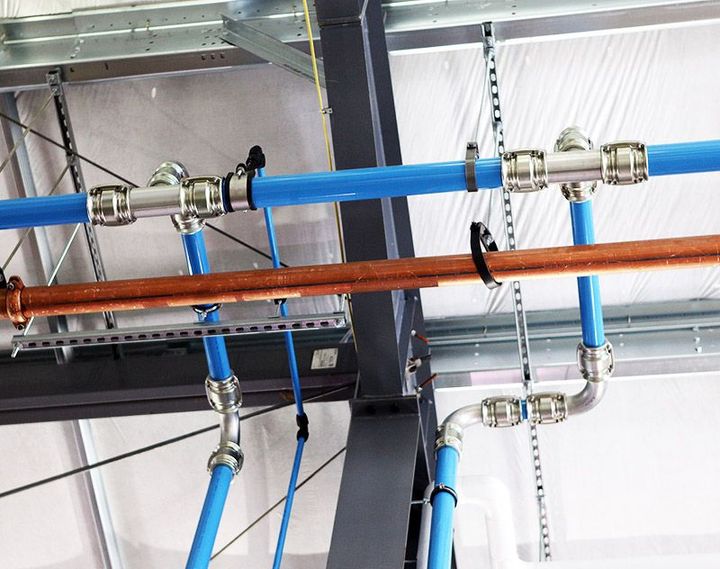
Aluminium compressed air piping refers to specialized piping systems designed to transport compressed air from compressors to equipment, tools, and production areas. These systems are commonly used in manufacturing facilities, warehouses, automotive workshops, food processing plants, healthcare environments, and other industrial settings where reliable compressed air distribution is essential.
Compressed air is often called the "fourth utility" because it plays a major role in powering equipment and supporting daily operations. The piping network is a critical component of any compressed air system because it influences airflow, pressure stability, and energy efficiency.
Aluminium has become a widely recognized material for compressed air distribution due to its lightweight structure, corrosion resistance, and ease of installation. Unlike traditional steel piping, aluminium systems are designed to maintain clean airflow while reducing the risk of internal rust buildup.
Many modern industrial air systems use modular aluminium piping because it can be expanded or modified as facility requirements change over time.
Basic Components of an Aluminium Air Piping System
A typical aluminium compressed air piping network includes:
- Main distribution pipes
- Branch lines
- Connectors and fittings
- Air drops
- Valves
- Filters
- Pressure regulators
- Air receivers
- Monitoring devices
These components work together to ensure consistent air delivery throughout a facility.
Why Aluminium Compressed Air Piping Matters Today
Industrial operations increasingly focus on energy efficiency, equipment reliability, and operational sustainability. The design of compressed air infrastructure directly affects these goals.
Poorly designed piping systems can lead to:
- Pressure drops
- Air leakage
- Reduced equipment performance
- Increased energy consumption
- Maintenance challenges
Aluminium piping addresses many of these concerns by offering smooth internal surfaces that help maintain airflow efficiency.
Industries Commonly Using Aluminium Air Piping
| Industry | Typical Application |
|---|---|
| Manufacturing | Pneumatic tools and automation |
| Automotive | Assembly lines and repair facilities |
| Food Processing | Clean air distribution |
| Pharmaceuticals | Controlled production environments |
| Healthcare | Medical air systems |
| Electronics | Precision manufacturing equipment |
| Warehousing | Automated material handling |
Key Benefits for Organizations
Organizations often choose aluminium compressed air piping because it can contribute to:
- Improved airflow performance
- Reduced corrosion concerns
- Easier system expansion
- Lower maintenance requirements
- Better system cleanliness
- Long-term operational efficiency
These advantages are especially important in facilities where compressed air quality directly affects product quality or equipment performance.
Common Challenges Aluminium Piping Helps Address
Modern facilities frequently encounter challenges related to compressed air distribution.
Some common issues include:
- Moisture accumulation
- Internal pipe corrosion
- Air contamination
- Pressure fluctuations
- Inefficient energy usage
Properly designed aluminium systems help minimize these risks while supporting consistent operational performance.
Trends and Recent Updates in Aluminium Compressed Air Piping
The compressed air industry has experienced several notable developments throughout 2025 and 2026.
Growth of Smart Monitoring Technologies
Industrial facilities are increasingly adopting:
- Digital pressure monitoring
- Airflow analytics
- Leak detection systems
- Predictive maintenance platforms
- Industrial Internet of Things (IIoT) integration
These technologies help operators identify inefficiencies before they affect production.
Focus on Energy Optimization
Throughout 2025, energy efficiency remained a major priority across manufacturing sectors. Compressed air systems are often among the largest energy consumers in industrial facilities, leading organizations to modernize distribution networks and reduce pressure losses.
Expansion of Industrial Automation
The growth of automation technologies has increased demand for reliable compressed air infrastructure. Robotics, automated assembly systems, and advanced production equipment require stable air supply conditions.
Sustainability Initiatives
Environmental objectives have encouraged facilities to improve resource efficiency. Modern piping systems are increasingly evaluated based on:
- Energy performance
- Material durability
- Operational lifespan
- Maintenance requirements
Increased Use in Facility Upgrades
Many facility modernization projects completed during 2025 included upgrades to compressed air distribution systems to support digital manufacturing and smart factory initiatives.
Industry Trend Overview
| Trend | Impact on Air Piping |
|---|---|
| Smart Factories | Higher monitoring requirements |
| Automation Growth | Increased demand for stable airflow |
| Energy Efficiency | Reduced pressure loss focus |
| Sustainability Goals | Preference for durable materials |
| Predictive Maintenance | More sensor integration |
Regulations, Standards, and Policy Considerations
Compressed air systems operate within a framework of industrial safety, engineering, and environmental standards.
While regulations vary by country, several international standards influence system design and operation.
Occupational Safety Requirements
Workplace safety regulations often require:
- Proper pressure management
- Safe installation practices
- Routine inspections
- Equipment maintenance procedures
- Employee safety protections
Facilities using compressed air systems must ensure that piping networks operate safely under expected pressure conditions.
Pressure Equipment Standards
Compressed air infrastructure may be affected by standards related to:
- Pressure vessels
- Air receivers
- Distribution piping
- System testing procedures
Engineering professionals typically follow recognized standards during design and installation.
Energy Efficiency Programs
Many governments continue to encourage industrial energy efficiency through:
- Manufacturing modernization initiatives
- Energy audits
- Sustainability reporting programs
- Industrial efficiency guidelines
Compressed air optimization is frequently included within broader energy management strategies.
Environmental Compliance
Organizations are increasingly expected to monitor energy consumption and improve operational efficiency. Efficient compressed air systems support these objectives by reducing unnecessary energy losses.
Common Standards Referenced Internationally
| Standard Area | Purpose |
|---|---|
| Workplace Safety | Safe operation practices |
| Pressure Systems | Equipment integrity |
| Energy Management | Efficiency improvements |
| Air Quality | Clean compressed air applications |
| Industrial Engineering | Design consistency |
Helpful Tools and Resources
Professionals managing compressed air systems often use specialized tools and resources to evaluate performance and improve efficiency.
Air System Calculators
Useful calculators include:
- Pipe sizing calculators
- Pressure drop calculators
- Air consumption estimators
- Compressor efficiency calculators
- Energy savings estimators
These tools help engineers determine appropriate system configurations.
Monitoring Platforms
Common monitoring resources include:
- Digital pressure sensors
- Flow measurement systems
- Energy monitoring dashboards
- Leak detection software
- Predictive maintenance platforms
Educational Resources
Helpful learning materials include:
- Industrial engineering guides
- Compressed air best-practice manuals
- Energy management publications
- Technical training materials
- Equipment manufacturer documentation
Useful Documentation
Facilities often maintain:
- Air system layouts
- Maintenance schedules
- Inspection records
- Energy audit reports
- Equipment performance logs
Keeping accurate records supports long-term system reliability.
Example of Compressed Air System Efficiency Factors
| Factor | Potential Impact |
|---|---|
| Pipe Diameter | Airflow performance |
| Pipe Material | Corrosion resistance |
| Leak Control | Energy efficiency |
| Monitoring Systems | Early issue detection |
| Maintenance Planning | Reliability improvement |
Understanding System Performance
The relationship between pressure stability and efficiency can be represented conceptually:
System Efficiency
100% |                    *
 90% |                 *     *
 80% |              *
 70% |           *
 60% |        *
 50% |     *
 40% |  *
      --------------------------------
      Poor     Average      Optimized
          Air Distribution Quality
This simplified illustration demonstrates how optimized air distribution systems can support higher operational efficiency.
Frequently Asked Questions
What is aluminium compressed air piping?
Aluminium compressed air piping is a distribution system designed to transport compressed air throughout industrial and commercial facilities. It is known for its lightweight construction, corrosion resistance, and efficient airflow characteristics.
Why is aluminium often preferred over traditional steel piping?
Aluminium does not rust internally like untreated steel and generally provides smoother airflow surfaces. This can help maintain air quality and reduce pressure losses within the system.
Which industries commonly use aluminium compressed air piping?
Manufacturing, automotive, healthcare, food processing, pharmaceutical production, electronics manufacturing, and warehousing facilities commonly use aluminium compressed air systems.
How does piping design affect energy efficiency?
Improper pipe sizing, excessive bends, leaks, and pressure drops can increase energy consumption. Efficient system design helps maintain stable airflow and supports overall operational efficiency.
Are there regulations governing compressed air systems?
Yes. Workplace safety requirements, pressure equipment standards, engineering codes, and energy management guidelines may apply depending on the location and industry.
Can aluminium piping support facility expansion?
Many aluminium piping systems use modular designs that allow facilities to modify or expand distribution networks as operational requirements evolve.
Conclusion
Aluminium compressed air piping plays a significant role in modern industrial infrastructure by supporting efficient compressed air distribution across a wide range of applications. Its lightweight design, corrosion resistance, and adaptability have made it a common choice for facilities seeking reliable airflow management.
Recent developments in smart monitoring, industrial automation, predictive maintenance, and energy optimization continue to influence how compressed air systems are designed and managed. At the same time, safety regulations, engineering standards, and sustainability initiatives encourage organizations to maintain efficient and reliable compressed air networks.
By understanding system fundamentals, monitoring performance, following applicable standards, and utilizing appropriate technical resources, organizations can improve the effectiveness of their compressed air distribution infrastructure while supporting long-term operational goals.