Clean Room Systems: Complete Guide to Controlled Environments
Maintaining a contamination-free environment is essential in industries where even microscopic particles can affect product quality, research accuracy, or manufacturing performance.
This is why Clean Room Systems have become a critical part of pharmaceutical manufacturing, semiconductor production, biotechnology facilities, and advanced healthcare environments. These controlled spaces use specialized engineering, air filtration systems, and environmental monitoring to maintain strict cleanliness standards.
As manufacturing technologies continue to advance, cleanroom technology is evolving with smarter automation, improved airflow management, and more efficient contamination control methods. This guide explains how clean room systems work, their components, applications, benefits, and future developments.
What Are Clean Room Systems?
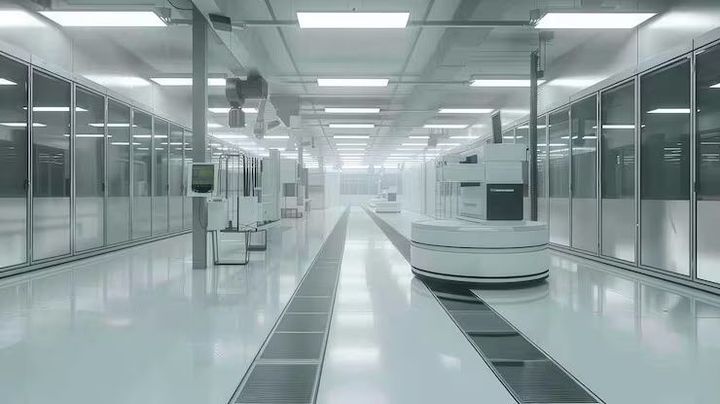
Clean Room Systems are controlled environment systems designed to minimize airborne particles, microorganisms, dust, and other contaminants. They maintain carefully regulated conditions through advanced air filtration systems, controlled airflow, temperature regulation, humidity management, and continuous environmental monitoring.
Clean rooms are classified according to ISO cleanroom standards, which specify the maximum number of airborne particles permitted within a defined space. Different industries require different cleanliness levels depending on manufacturing or research requirements.
Why Clean Room Systems Are Important
Many manufacturing processes require extremely clean environments to ensure product quality and process reliability. Even tiny contaminants can affect sensitive electronic components, pharmaceutical products, laboratory research, and medical device manufacturing.
Clean Room Systems support contamination control by continuously filtering the air and regulating environmental conditions. Industry guidance consistently emphasizes controlled environments as an important part of quality assurance, regulatory compliance, and production consistency across highly specialized industries.
How Clean Room Systems Work
Clean rooms operate through a combination of engineering controls and continuous monitoring.
Air Filtration
HEPA filtration and, in some applications, ultra-high-efficiency filtration remove microscopic airborne particles before clean air enters the controlled environment.
Airflow Management
Carefully designed airflow management systems direct filtered air through the workspace while preventing contaminants from accumulating.
Environmental Control
Temperature, humidity, and air pressure are continuously regulated to maintain stable operating conditions throughout the clean room.
Continuous Monitoring
Environmental monitoring systems measure airborne particle levels, pressure differentials, temperature, humidity, and other operational parameters to ensure compliance with required cleanliness standards.
Key Components
Several integrated technologies work together to create an effective clean room.
Important components include:
- HEPA filtration systems
- Air filtration systems
- HVAC cleanroom systems
- Environmental monitoring equipment
- Modular clean rooms
- Airlocks
- Pass-through chambers
- Pressure control systems
- Cleanroom lighting
- Controlled access systems
- Antistatic flooring
- Cleanroom wall panels
Each component contributes to maintaining a stable and contamination-controlled environment.
Applications Across Industries
Clean Room Systems support a wide range of industries where precision manufacturing and contamination control are essential.
Pharmaceutical manufacturing uses clean rooms during medicine production, packaging, and quality testing to maintain sterile manufacturing conditions.
Semiconductor manufacturing depends on extremely clean environments because microscopic particles can damage electronic components during fabrication.
Biotechnology facilities use laboratory clean rooms for research, product development, and biological testing.
Healthcare manufacturing relies on clean rooms during the production of medical devices, surgical products, and diagnostic equipment.
Precision manufacturing industries also use cleanroom technology to improve production quality and reduce contamination risks during assembly.
Benefits of Clean Room Systems
Improved Product Quality
Controlled environments help reduce contamination, supporting greater consistency throughout manufacturing and laboratory operations.
Better Regulatory Compliance
Clean Room Systems assist organizations in meeting ISO cleanroom standards, GMP clean rooms requirements, and other quality guidelines relevant to specialized industries.
Enhanced Operational Efficiency
Stable environmental conditions contribute to more reliable manufacturing processes while reducing production interruptions related to contamination.
Greater Process Reliability
Continuous environmental monitoring allows operators to identify changing conditions quickly and maintain consistent operating performance.
Long-Term Manufacturing Performance
Modern cleanroom technology supports high-precision manufacturing while improving operational stability across complex production facilities.
Best Practices
Organizations operating clean rooms should follow established procedures.
- Monitor environmental conditions continuously.
- Maintain HEPA filtration systems regularly.
- Follow controlled entry procedures.
- Perform routine cleanroom validation.
- Train personnel on contamination control practices.
- Review system performance periodically.
These practices help maintain consistent cleanliness and long-term operational reliability.
Future Trends
Clean Room Systems continue evolving through automation and digital technologies. Artificial intelligence is supporting predictive maintenance, while smart sensors provide real-time environmental monitoring throughout manufacturing facilities.
Industrial Internet of Things (IIoT) platforms improve equipment connectivity, allowing centralized monitoring of multiple clean rooms. Sustainable cleanroom construction, energy-efficient HVAC cleanroom systems, and modular clean rooms are also becoming increasingly important as organizations focus on operational efficiency and environmental responsibility.
Frequently Asked Questions
What are Clean Room Systems?
They are controlled environments designed to minimize airborne particles and maintain strict cleanliness standards for specialized manufacturing and research.
Which industries use clean rooms?
Pharmaceutical manufacturing, semiconductor manufacturing, biotechnology facilities, healthcare manufacturing, laboratory research, and precision manufacturing all depend on clean room systems.
Why is HEPA filtration important?
HEPA filtration removes microscopic airborne particles, helping maintain clean air within controlled environments.
What are ISO cleanroom standards?
These standards classify clean rooms according to the allowable concentration of airborne particles within the controlled environment.
How is cleanroom technology improving?
Artificial intelligence, smart monitoring systems, modular construction, advanced airflow management, and energy-efficient HVAC technologies continue improving modern clean room performance.
Conclusion
Clean Room Systems are fundamental to industries that require exceptional cleanliness, contamination control, and manufacturing precision. Through advanced air filtration systems, environmental monitoring, and carefully engineered airflow management, these controlled environments support consistent product quality and operational reliability.
As automation, digital monitoring, and sustainable engineering continue advancing, clean room systems will remain an essential part of pharmaceutical manufacturing, biotechnology facilities, semiconductor manufacturing, and other industries where precision and cleanliness are critical.