Learn About Bottle Filling Machines: Discover Overview, Tips, Advice, Information, Details, and Resources
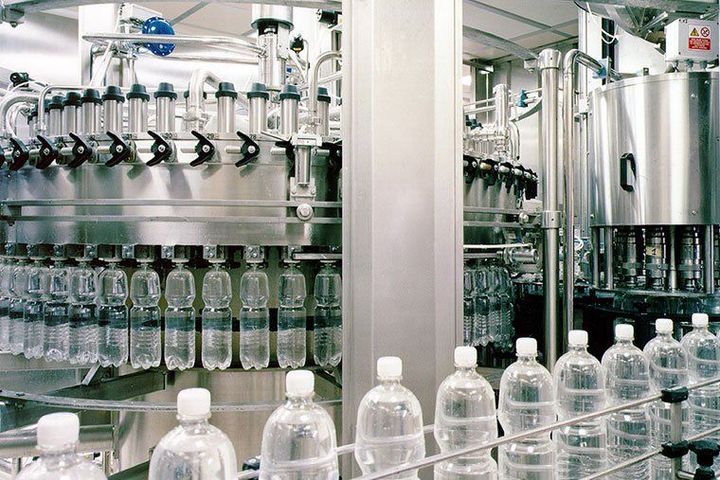
Bottle filling machines are industrial systems designed to fill bottles with liquids, semi-liquids, or other products in a controlled and consistent manner. These machines are commonly used across industries such as beverage production, pharmaceutical manufacturing, food processing, personal care products, chemicals, and industrial fluids.
The need for bottle filling machines emerged as production volumes increased and manufacturers sought greater consistency, efficiency, and product quality. Manual filling methods can be time-consuming and may lead to variations in fill levels, while automated filling equipment helps standardize production processes.
Modern bottle filling systems can handle different bottle shapes, sizes, and materials. Depending on the application, machines may use gravity filling, piston filling, volumetric filling, overflow filling, or vacuum filling technologies.
The growing adoption of industrial automation, manufacturing equipment, packaging machinery, and production line technology has increased the importance of bottle filling systems across global manufacturing sectors.
Why Bottle Filling Machines Matter Today
Bottle filling machines play an important role in modern production environments. As industries face increasing demand for quality control, operational efficiency, and regulatory compliance, automated filling technology helps support these goals.
Organizations involved in packaged products often rely on filling equipment to maintain accurate product volumes and reduce inconsistencies during production.
Some of the key challenges these machines help address include:
- Maintaining consistent fill levels
- Improving production efficiency
- Supporting quality assurance processes
- Reducing product waste
- Enhancing packaging line performance
- Supporting traceability and compliance requirements
The technology affects a wide range of stakeholders, including:
| Stakeholder | Importance |
|---|---|
| Manufacturers | Improves production consistency |
| Quality Control Teams | Helps monitor filling accuracy |
| Packaging Engineers | Integrates with packaging lines |
| Regulatory Authorities | Supports compliance standards |
| Consumers | Encourages product consistency |
The increasing focus on industrial automation solutions, smart manufacturing systems, packaging automation, and production efficiency technologies continues to drive interest in advanced filling equipment.
Recent Developments and Industry Trends
Over the past year, several developments have influenced the bottle filling machine industry. Many manufacturers have continued investing in automation technologies and digital monitoring systems to improve production visibility.
In 2025 and 2026, the following trends have gained attention:
- Increased use of Industrial Internet of Things (IIoT) technology
- Expansion of predictive maintenance systems
- Growth in smart packaging integration
- Greater emphasis on sustainability initiatives
- Adoption of energy-efficient manufacturing equipment
- Enhanced real-time production monitoring
The industry has also seen growing interest in data-driven manufacturing environments. Sensors and monitoring platforms can help operators track production metrics and identify maintenance requirements before equipment issues become significant.
Emerging Technology Trends
| Trend | Industry Impact |
|---|---|
| Smart Sensors | Improved monitoring capabilities |
| Automated Controls | Greater production consistency |
| Machine Vision Systems | Enhanced inspection processes |
| Digital Analytics | Better operational insights |
| Remote Monitoring | Improved equipment management |
The demand for pharmaceutical packaging equipment, beverage production machinery, industrial filling systems, and automated packaging technologies continues to influence equipment development.
Industry Adoption Overview
Production facilities increasingly seek equipment capable of handling multiple product types and packaging formats. Flexible filling systems allow organizations to adapt to changing production requirements without extensive modifications.
The integration of robotics and automation technologies has also expanded across packaging environments, contributing to improvements in workflow coordination and operational efficiency.
Regulatory and Policy Considerations
Bottle filling machines operate within industries that are often subject to regulations concerning safety, product quality, sanitation, and manufacturing practices.
The exact requirements vary depending on the country and industry sector. Common regulatory frameworks may include:
- Food safety regulations
- Pharmaceutical manufacturing standards
- Workplace safety requirements
- Environmental protection regulations
- Packaging and labeling standards
- Quality management system requirements
For food and beverage applications, equipment is typically expected to support sanitary production practices and contamination prevention measures.
For pharmaceutical applications, manufacturing facilities often follow Good Manufacturing Practice (GMP) guidelines to help maintain product quality and consistency.
Common Regulatory Areas
| Regulatory Area | Purpose |
|---|---|
| Product Safety | Protects consumers |
| Manufacturing Standards | Supports quality consistency |
| Equipment Safety | Protects workers |
| Environmental Rules | Reduces environmental impact |
| Documentation Requirements | Improves traceability |
Many countries also encourage modernization through industrial development initiatives and manufacturing innovation programs that support technology adoption and production efficiency improvements.
Organizations using bottle filling equipment generally maintain documentation, inspection records, maintenance schedules, and quality assurance procedures to meet applicable requirements.
Helpful Tools and Resources
A variety of tools and resources can support individuals and organizations seeking information about bottle filling machines and related technologies.
Useful categories include:
Production Planning Resources
- Production capacity calculators
- Throughput estimation tools
- Packaging line planning templates
- Equipment performance trackers
Engineering and Design Tools
- CAD software for production layouts
- Process simulation platforms
- Manufacturing workflow planning tools
- Industrial automation design software
Quality Management Resources
- Quality control checklists
- Inspection templates
- Statistical process control tools
- Documentation management systems
Maintenance Resources
- Preventive maintenance schedules
- Equipment inspection logs
- Asset management platforms
- Predictive maintenance software
Examples of Useful Resource Categories
| Resource Type | Purpose |
|---|---|
| Capacity Calculators | Estimate production output |
| Maintenance Logs | Track equipment condition |
| Quality Checklists | Support inspections |
| Process Templates | Standardize workflows |
| Monitoring Dashboards | Analyze performance data |
Educational resources can also include:
- Manufacturing industry publications
- Packaging engineering journals
- Automation technology reports
- Regulatory guidance documents
- Technical training materials
These resources help professionals stay informed about developments in industrial filling equipment and packaging technologies.
Bottle Filling Machine Workflow Example
The following simplified chart illustrates how a typical bottle filling process may operate:
Bottle Input
      ↓
Bottle Positioning
      ↓
Filling Process
      ↓
Volume Verification
      ↓
Capping Stage
      ↓
Labeling Process
      ↓
Quality Inspection
      ↓
Finished Product Output
While actual production systems may vary, this workflow demonstrates the general sequence used in many packaging environments.
Key Factors to Consider When Evaluating Filling Equipment
When learning about bottle filling machines, it is helpful to understand several common evaluation factors.
These include:
- Product viscosity requirements
- Filling accuracy expectations
- Production volume needs
- Bottle size compatibility
- Cleaning and sanitation requirements
- Automation level
- Integration with packaging lines
- Maintenance considerations
Different applications may require different filling technologies. For example, water-based products may use different systems than thicker liquids or specialized industrial materials.
Understanding these factors can help individuals better interpret industry discussions, technical specifications, and manufacturing trends.
Frequently Asked Questions
What is a bottle filling machine?
A bottle filling machine is industrial equipment used to place a measured quantity of product into bottles or containers. It is commonly used in food, beverage, pharmaceutical, cosmetic, and chemical manufacturing environments.
How do bottle filling machines work?
Most bottle filling machines move containers through a production line where filling mechanisms dispense a controlled amount of product. The specific method depends on the filling technology being used, such as gravity, piston, overflow, or volumetric filling.
What industries use bottle filling machines?
Bottle filling equipment is widely used in beverage production, pharmaceutical manufacturing, food processing, personal care product manufacturing, industrial chemical processing, and household product packaging.
Why is filling accuracy important?
Filling accuracy helps maintain product consistency, supports quality assurance processes, reduces waste, and assists organizations in meeting packaging and regulatory requirements.
What recent technologies are being added to bottle filling systems?
Recent innovations include smart sensors, machine vision systems, predictive maintenance tools, industrial automation controls, digital analytics platforms, and remote monitoring capabilities.
Conclusion
Bottle filling machines are an important component of modern manufacturing and packaging operations. They help improve consistency, support quality management efforts, and contribute to efficient production workflows across multiple industries.
Recent advancements in automation, data analytics, smart sensors, and monitoring technologies continue to shape the future of filling equipment. At the same time, regulatory requirements related to safety, quality, and environmental responsibility remain important considerations for organizations operating these systems.
By understanding the fundamentals of bottle filling machines, current industry trends, compliance considerations, and available tools and resources, readers can gain a clearer perspective on how these technologies support today's manufacturing environments. The continued evolution of industrial automation, packaging machinery, manufacturing technology, production line optimization, and smart factory solutions is expected to keep bottle filling systems relevant for years to come.