Jump to a Chapter

Laser Hair Removal Guide: How It Works, Safety, and Skincare Considerations

Laser Hair Removal Guide: How It Works, Safety, and Skincare Considerations

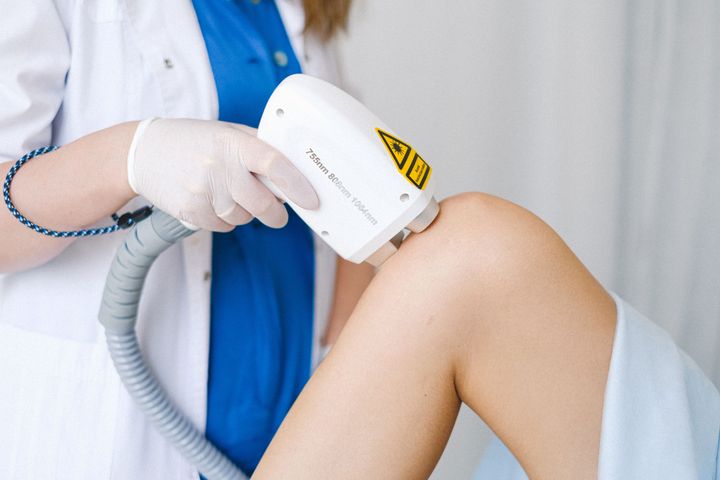
Laser hair removal is a widely used cosmetic procedure that uses concentrated light energy to target hair follicles and reduce unwanted hair growth over time. The procedure is commonly performed in dermatology clinics, aesthetic centers, and medical practices by trained professionals using specialized laser systems.


Modern laser technologies are designed to treat various skin tones and hair types while incorporating cooling systems and adjustable settings to improve patient comfort. Although laser hair removal can significantly reduce hair growth, results vary depending on individual factors such as hair color, skin type, hormonal influences, and the treatment area.

This guide explains how laser hair removal works, the different laser technologies, safety considerations, preparation, aftercare, and skincare practices from an educational perspective. It does not provide medical, cosmetic, dermatological, or professional treatment advice.

What Is Laser Hair Removal?

Laser hair removal is a cosmetic procedure that uses focused beams of light to target pigment within hair follicles.

The procedure is commonly used on areas such as:

  • Face
  • Upper lip
  • Chin
  • Underarms
  • Arms
  • Legs
  • Chest
  • Back
  • Bikini area

Treatment suitability depends on individual skin and hair characteristics.

How Laser Hair Removal Works

Laser hair removal is based on the principle of selective photothermolysis, where light energy is absorbed by the pigment (melanin) in the hair.

The general process includes:

  • The laser emits a specific wavelength of light.
  • Hair pigment absorbs the light energy.
  • The energy converts to heat.
  • Heat affects the targeted hair follicle.
  • Future hair growth may be reduced over multiple treatment sessions.

Because hair grows in different cycles, multiple sessions are usually required.

Hair Growth Cycle

Hair grows through several natural phases.

These include:

Anagen Phase

The active growth stage, when laser treatment is generally most effective.

Catagen Phase

A short transition stage during which hair growth slows.

Telogen Phase

The resting stage before the hair naturally sheds.

Laser treatments are scheduled over time to target hairs during the active growth phase.

Types of Laser Technologies

Different laser systems are used depending on skin type, hair characteristics, and clinical assessment.

Common technologies include:

Alexandrite Laser

Often used for lighter skin tones and darker hair.

Diode Laser

Suitable for a broad range of skin types and commonly used in many clinics.

Nd:YAG Laser

Frequently selected for darker skin tones due to its deeper wavelength.

Ruby Laser

An earlier laser technology primarily used for lighter skin types.

The choice of laser is determined by the treating professional.

Cooling Systems

Many modern laser devices include cooling technologies to improve comfort and help protect the skin.

Examples include:

  • Contact cooling
  • Cryogen spray cooling
  • Cold air cooling systems

Cooling methods vary depending on the equipment used.

Areas Commonly Treated

Laser hair removal may be performed on many parts of the body.

Frequently treated areas include:

  • Face
  • Neck
  • Shoulders
  • Underarms
  • Arms
  • Hands
  • Abdomen
  • Back
  • Chest
  • Legs
  • Feet
  • Bikini line

Treatment plans are personalized according to individual needs.

Treatment Preparation

Before a session, professionals may recommend certain preparation steps.

General preparation may include:

  • Avoiding excessive sun exposure before treatment
  • Keeping the treatment area clean
  • Shaving the treatment area if instructed
  • Avoiding waxing or plucking for a period before treatment
  • Informing the practitioner about medications or skin conditions

Preparation instructions may differ based on the laser system and treatment area.

During the Procedure

A typical laser hair removal session may involve:

  • Skin assessment
  • Protective eyewear
  • Laser parameter adjustment
  • Cooling application
  • Delivery of laser pulses
  • Post-treatment skin evaluation

Session length varies depending on the size of the treatment area.

Aftercare

Appropriate aftercare helps support skin recovery.

General recommendations may include:

  • Applying soothing skincare products if advised
  • Protecting the treated area from sun exposure
  • Using broad-spectrum sunscreen on exposed areas
  • Avoiding excessive heat, such as hot baths or saunas, for a short period if recommended
  • Following the practitioner's aftercare instructions

Individual recommendations may vary.

Possible Temporary Effects

Some people may experience temporary skin reactions after treatment.

These may include:

  • Mild redness
  • Slight swelling around hair follicles
  • Temporary skin sensitivity
  • Warm sensation

Persistent or unexpected symptoms should be discussed with a qualified healthcare professional.

Skin Care Considerations

Maintaining a healthy skincare routine may support skin comfort during treatment.

General skincare practices include:

  • Gentle cleansing
  • Regular moisturizing
  • Daily sunscreen use
  • Avoiding harsh exfoliants immediately after treatment if advised
  • Following personalized skincare recommendations

Suitable products depend on individual skin type.

Factors Affecting Results

Treatment outcomes vary among individuals.

Factors that may influence results include:

  • Hair color
  • Hair thickness
  • Skin tone
  • Hormonal influences
  • Treatment area
  • Laser technology
  • Number of sessions completed

A qualified practitioner can explain realistic expectations based on individual circumstances.

Safety Considerations

Laser hair removal should be performed using appropriate equipment and safety protocols.

Important considerations include:

  • Protective eye shields
  • Skin assessment before treatment
  • Appropriate laser settings
  • Qualified operators
  • Proper device maintenance
  • Following manufacturer guidelines

Safety procedures help reduce the risk of complications.

Advancements in Laser Technology

Modern laser systems continue to evolve.

Recent developments include:

  • Faster treatment speeds
  • Improved cooling systems
  • Enhanced energy control
  • Larger treatment spot sizes
  • Digital treatment interfaces
  • More personalized treatment settings

These improvements are intended to enhance efficiency and patient comfort.

Trends in 2026

Several developments continue shaping laser hair removal technology.

Current trends include:

  • AI-assisted treatment planning
  • Smart skin analysis systems
  • Improved cooling technologies
  • Enhanced laser precision
  • Digital treatment documentation
  • Advanced safety monitoring
  • More customizable treatment protocols
  • Integration with modern dermatology equipment

These innovations continue supporting advancements in aesthetic technology.

Frequently Asked Questions

How does laser hair removal work?

Laser hair removal uses concentrated light energy that is absorbed by the pigment in hair follicles, generating heat that can reduce future hair growth over multiple sessions.

Is one treatment session enough?

Hair grows in different cycles, so multiple sessions are generally required to target hair during its active growth phase.

Which areas can be treated?

Common treatment areas include the face, underarms, arms, legs, chest, back, and bikini line, depending on individual suitability.

Is laser hair removal suitable for all skin types?

Modern laser technologies have expanded treatment options for a wider range of skin tones and hair types. A professional assessment helps determine the most appropriate laser system.

Why is sunscreen recommended after treatment?

The skin may be more sensitive after treatment, and protecting it from ultraviolet (UV) exposure helps support recovery and reduce the risk of pigmentation changes.

Conclusion

Laser hair removal combines advanced laser technology, precision light energy, and modern cooling systems to provide long-term reduction of unwanted hair growth. With continued improvements in laser design, skin analysis, and treatment customization, the procedure has become more versatile for different skin types and treatment areas.

As cosmetic laser technology continues to evolve, innovations such as AI-assisted treatment planning, enhanced cooling systems, and smart energy controls are expected to further improve treatment efficiency, comfort, and safety.

Disclaimer

This article is intended solely for informational and educational purposes. It does not provide medical, dermatological, cosmetic, regulatory, or professional treatment advice. It does not endorse, recommend, compare, rank, review, market, or promote any clinic, practitioner, laser device, skincare product, or manufacturer. Treatment suitability, outcomes, risks, and recovery vary depending on individual health, skin type, hair characteristics, medical history, and the technology used. Readers should consult a qualified dermatologist or licensed healthcare professional for personalized evaluation and guidance before undergoing laser hair removal.


author-image

Ravi Shankar Maurya

We create purposeful content that speaks, resonates, and drives action.

July 09, 2026 . 10 min read