Table of Contents

Understanding Barcode Systems: How They Work and Their Benefits

Understanding Barcode Systems: How They Work and Their Benefits

Have you ever noticed the black lines and numbers printed on product packaging, shipping labels, or library books? Those simple patterns play a big part in keeping information organized.


Barcode Systems make it possible to identify items quickly and accurately, helping many industries manage everyday tasks with greater efficiency.

From retail stores to hospitals and warehouses, barcode technology has become a trusted way to capture information within seconds. This guide explains how barcode systems work, the different types available, their everyday applications, and the many advantages they bring.

What Are Barcode Systems?

Barcode Systems are methods of storing information in a visual pattern that can be read using a scanner or camera. Instead of typing information by hand, a barcode can be scanned almost instantly, making data collection quicker and more accurate.

A barcode represents information using a combination of lines, spaces, or small square patterns. Each barcode is linked to specific details stored in a database, such as a product name, inventory record, or tracking number.

The basic parts of a barcode system include:

  • A barcode label
  • A barcode scanner
  • Decoding technology
  • A database that stores the related information

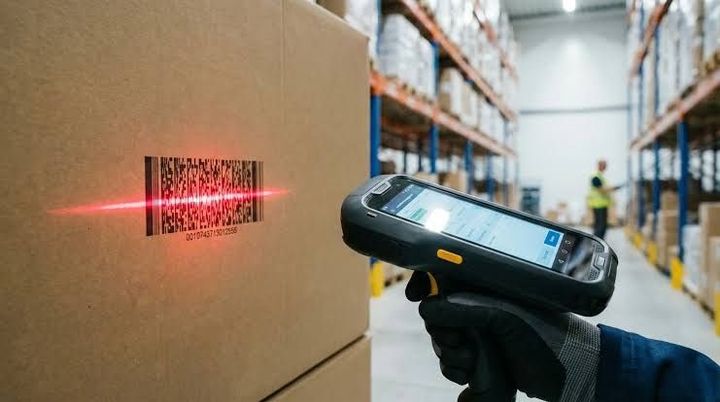
When someone scans the barcode, the scanner reads the pattern, converts it into digital information, and matches it with the correct record.

Why Barcode Technology Matters

Before barcode technology became common, many organizations entered information manually. This process required extra time and increased the chance of typing mistakes.

Today, barcode systems help simplify many routine activities by making information easy to capture and identify. They also support smoother workflows where speed and accuracy are important.

How Barcode Systems Work

Although barcode technology appears simple, several steps happen within a fraction of a second.

Step 1: Creating the Barcode

Each barcode is created using unique information, such as a product number, package identifier, or inventory code. This information is converted into a pattern of lines or squares.

Step 2: Printing the Barcode

The barcode is placed on labels, packaging, documents, equipment, or identification cards. The printed pattern must remain clear enough for scanners to read accurately.

Step 3: Scanning the Barcode

A scanner shines light across the barcode or captures its image with a camera. The scanner detects the differences between dark and light areas.

Step 4: Decoding the Information

The scanner converts the visual pattern into numbers or characters. The connected database then retrieves the matching information.

Step 5: Displaying the Result

The requested information appears almost immediately. Depending on the application, this could include:

  • Product identification
  • Inventory details
  • Shipment information
  • Patient records
  • Library information
  • Equipment tracking

This entire sequence usually takes less than a second.

Types of Barcode Systems

Not all barcodes look the same. Different industries choose different barcode formats depending on how much information needs to be stored.

One-Dimensional Barcodes

Also called linear barcodes, these use vertical lines of different widths.

Common examples include:

  • UPC
  • Code 39
  • Code 128
  • EAN

These barcodes are widely used for product identification and inventory management.

Two-Dimensional Barcodes

Two-dimensional barcodes store information using small squares, dots, or geometric patterns.

Popular examples include:

  • QR Codes
  • Data Matrix
  • PDF417
  • Aztec Code

These formats can contain much more information than traditional linear barcodes.

Static and Dynamic Barcodes

Static barcodes contain permanent information that remains unchanged after creation.

Dynamic barcodes connect to information that can be updated without changing the barcode image itself. This makes them useful when information may change over time.

Common Applications of Barcode Systems

Barcode technology has become part of everyday life, often without people noticing it. Many organizations rely on barcode systems to organize information efficiently.

Retail

Retail stores use barcodes to identify products during checkout and maintain accurate inventory records.

Scanning products helps staff update stock levels automatically while reducing manual data entry.

Warehousing

Warehouses often manage thousands of items across large storage areas.

Barcode scanning helps workers:

  • Locate products
  • Track inventory movement
  • Record incoming shipments
  • Prepare outgoing deliveries
  • Reduce identification mistakes

Healthcare

Hospitals and clinics use barcode technology to identify patients, medicines, laboratory samples, and medical equipment.

Accurate identification helps support organized record management while reducing the chance of confusion.

Transportation and Logistics

Packages move through multiple locations before reaching their destination.

Barcode labels help track parcels during every stage of transportation, allowing each checkpoint to update shipment information quickly.

Libraries

Libraries attach barcodes to books and membership cards.

Scanning allows books to be checked out and returned efficiently while keeping library records organized.

Manufacturing

Factories often attach barcodes to raw materials, components, and finished products.

This helps monitor production progress and maintain organized inventory throughout manufacturing processes.

Education

Schools and universities use barcode technology for library systems, student identification cards, laboratory equipment, and asset management.

Benefits of Barcode Systems

The popularity of Barcode Systems comes from the many practical advantages they provide across different industries.

Faster Information Capture

Scanning a barcode usually takes only a moment.

Compared with manual typing, barcode scanning helps process information much more quickly.

Improved Accuracy

Typing long identification numbers can easily lead to mistakes.

Barcode scanning reduces human error because the information is read directly from the printed code.

Better Inventory Tracking

Organizations can monitor inventory more effectively when every item carries a unique barcode.

This makes it easier to understand inventory levels, movement, and storage locations.

Simple Data Collection

Barcode systems simplify the process of collecting information throughout daily operations.

Instead of writing information by hand, staff can capture accurate records using quick scans.

Easier Product Identification

Many products appear similar, especially inside large warehouses.

Unique barcodes help distinguish one item from another without confusion.

Greater Workplace Efficiency

Routine activities become easier when identification happens automatically.

Employees can spend less time searching for information and more time completing important tasks.

Better Record Organization

Since barcode information connects with digital databases, records remain organized and easy to retrieve whenever needed.

Choosing the Right Barcode System

Different situations require different barcode solutions. Choosing the right option depends on the type of information being managed.

Several factors are worth considering.

Amount of Information

Simple product identification often works well with linear barcodes.

When larger amounts of information are needed, two-dimensional barcodes may be more suitable.

Scanning Environment

Some environments involve dust, moisture, bright lighting, or outdoor conditions.

Selecting labels and scanners designed for these surroundings can improve reading accuracy.

Printing Quality

Even the most advanced scanner cannot read poorly printed barcodes consistently.

Clear printing and proper label placement help maintain reliable scanning.

Compatibility

The barcode format should match the scanners and information systems already being used.

Compatibility helps maintain smooth communication between devices.

Future Expansion

Organizations often grow over time.

Choosing a barcode format that supports future needs helps avoid unnecessary changes later.

Challenges and Good Practices

Although barcode technology is highly dependable, proper handling remains important.

Damaged labels may become difficult to scan. Dirt, scratches, folds, or faded printing can reduce readability.

To keep barcode systems working effectively:

  • Print clear, high-quality labels.
  • Place labels where scanners can easily read them.
  • Keep barcode surfaces clean.
  • Replace damaged labels promptly.
  • Test barcode readability before large-scale use.
  • Maintain scanners according to manufacturer guidelines.

Following these simple practices helps maintain reliable performance over time.

The Future of Barcode Systems

Barcode technology continues to evolve alongside digital tools and automation.

Modern smartphones can now scan many barcode formats without requiring dedicated scanning equipment. Mobile applications have also made barcode reading more accessible across different environments.

At the same time, two-dimensional barcode formats continue gaining popularity because they can store larger amounts of information within a compact space.

Artificial intelligence, cloud-based information management, and connected devices are also expanding the ways barcode technology supports everyday operations. As organizations continue improving efficiency, barcode systems will remain an important part of accurate identification and organized information management.

Conclusion

Barcode Systems have transformed the way information is captured, organized, and managed across many industries. By converting data into readable visual patterns, they make identification faster, improve accuracy, and simplify everyday workflows.

Whether used in retail, healthcare, manufacturing, transportation, education, or warehousing, barcode technology helps people work with information more efficiently. Understanding how these systems function makes it easier to appreciate the small but essential role they play in countless daily activities, supporting reliable record management and smoother operations wherever accurate identification is needed.

author-image

Alen

A Content Writer Expert is a professional skilled in crafting high-quality, compelling, and SEO-optimized content for websites, blogs, social media

June 30, 2026 . 7 min read