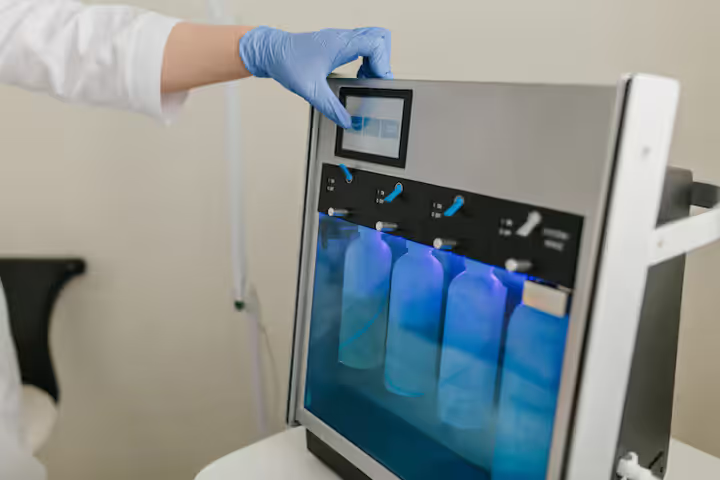
Hydrogen Electrolyzer Machines Guide: Green Hydrogen Generation Technology Basics
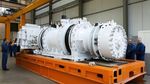
Hydrogen electrolyzer machines are advanced energy systems designed to produce hydrogen gas by splitting water into hydrogen and oxygen using electricity. This process is called electrolysis and is considered one of the most important technologies in the transition toward low-emission energy systems.
The primary purpose of these machines is to generate hydrogen that can be used as a clean energy carrier in industries such as power generation, transportation, chemicals, and steel manufacturing. When powered by renewable energy sources like solar or wind, the hydrogen produced is often referred to as green hydrogen.
These systems are gaining global attention due to the need for cleaner fuels, reduced carbon emissions, and improved energy security. Hydrogen electrolyzer machines play a critical role in building large-scale hydrogen infrastructure for future energy networks.
How Hydrogen Electrolyzer Machines Work
Hydrogen electrolyzer machines operate using the principle of water electrolysis. Water molecules are broken into hydrogen and oxygen when an electric current passes through an electrolytic cell.
Inside the system, water is introduced into the electrolyzer stack. Electricity is applied through electrodes, causing a chemical reaction that separates hydrogen ions from oxygen. The hydrogen gas is collected for storage or direct use, while oxygen is either released or captured for industrial applications.
The efficiency of this process depends on factors such as electrode material, membrane quality, temperature control, and power supply stability.
Key Components and Structure
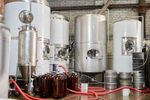
Hydrogen electrolyzer machines are made up of several essential components that ensure stable and efficient hydrogen production.
- Electrolyzer stack: Core unit where electrochemical reactions occur
- Electrodes: Conduct electricity and drive the separation process
- Membrane: Separates hydrogen and oxygen gases
- Power supply system: Provides controlled electrical energy
- Water treatment unit: Ensures purified water input
- Cooling system: Maintains optimal operating temperature
- Gas separation and purification unit: Enhances hydrogen quality
- Control system: Monitors and regulates operations
These components work together to maintain continuous hydrogen production with safety and efficiency.
Types of Hydrogen Electrolyzer Technologies
Different types of electrolyzer technologies are used depending on industrial requirements, efficiency levels, and application environments.
| Type | Electrolyte Used | Operating Temperature | Key Advantage | Common Application |
|---|---|---|---|---|
| Alkaline Electrolyzer | Liquid alkaline solution | Moderate | Long operational lifespan | Large-scale hydrogen production |
| PEM Electrolyzer | Solid polymer membrane | Low to moderate | High purity hydrogen output | Fuel cells and mobility systems |
| Solid Oxide Electrolyzer | Ceramic material | High temperature | Very high efficiency potential | Industrial hydrogen integration |
Each technology has unique advantages depending on energy input, scalability needs, and end-use applications.
Importance in Modern Energy Systems
Hydrogen electrolyzer machines are becoming a key part of modern energy infrastructure. Their importance is driven by the global shift toward cleaner and more sustainable energy systems.
They help reduce dependence on fossil fuels by enabling hydrogen production using electricity from renewable sources. Hydrogen can store energy for long periods, making it useful for balancing power grids and supporting intermittent renewable sources.
These systems also support industrial decarbonization, especially in sectors where electrification is difficult, such as steel production, ammonia synthesis, and heavy transportation.
Real-World Applications
Hydrogen produced by electrolyzer machines is used across multiple industries.
- Energy storage for renewable power systems
- Fuel cell vehicles and hydrogen mobility solutions
- Steel and metal refining industries
- Chemical production, including ammonia and methanol
- Power generation backup systems
- Industrial heating and high-temperature processes
- Aerospace and specialized engineering applications
These applications demonstrate how hydrogen electrolyzer machines contribute to a wide range of industrial transformation efforts.
Recent Trends and Developments (2025–2026)
The hydrogen sector has seen significant advancements in recent years, especially in electrolyzer technology.
In 2025, several countries expanded their national hydrogen strategies, focusing on large-scale green hydrogen production hubs. India’s National Green Hydrogen Mission continued to support infrastructure development and electrolyzer manufacturing capacity expansion.
In Europe, hydrogen valleys and integrated hydrogen clusters gained momentum, combining renewable energy generation with centralized electrolyzer facilities. These developments aim to create fully connected hydrogen ecosystems.
Technological improvements are also emerging, including:
- Higher-efficiency PEM systems with improved membrane durability
- Modular electrolyzer designs for scalable deployment
- Integration of electrolyzers with offshore wind farms
- Artificial intelligence-based monitoring for performance optimization
- Reduced dependency on rare materials in electrode design
These trends indicate strong global investment in hydrogen infrastructure and continuous technological evolution.
Regulations and Policy Frameworks
Hydrogen electrolyzer deployment is influenced by energy policies and regulatory frameworks designed to promote clean energy adoption.
Key regulatory directions include:
- Carbon reduction targets under international climate agreements
- Renewable energy integration policies supporting green hydrogen production
- Certification standards for green hydrogen origin tracking
- Safety regulations for hydrogen storage and transport systems
- Industrial decarbonization incentives for heavy industries
Countries in the European Union, India, Japan, and the United States have introduced structured hydrogen roadmaps to accelerate electrolyzer adoption and hydrogen ecosystem development.
Tools, Platforms, and Learning Resources
Understanding hydrogen electrolyzer machines requires knowledge of electrochemistry, energy systems, and industrial engineering.
Useful learning and simulation resources include:
- Electrochemical modeling software for system design analysis
- Renewable energy simulation platforms for hybrid energy systems
- Industrial automation tools for process monitoring
- Hydrogen safety and engineering training modules
- Research publications from energy institutes and universities
- Open-source energy system modeling frameworks
These resources help engineers, researchers, and students understand system behavior and optimize hydrogen production processes.
Key Technical and Industrial Characteristics
- High dependency on electricity input quality
- Scalability from small units to large industrial plants
- Integration with renewable energy sources
- Continuous or batch hydrogen production capability
- Advanced monitoring and control systems
- Variable efficiency depending on technology type
- Strong focus on safety and gas purity management
These characteristics define how electrolyzer machines operate in different industrial environments.
Challenges in Deployment
Despite strong growth, hydrogen electrolyzer systems face several challenges.
- High energy demand for large-scale hydrogen production
- Infrastructure limitations for hydrogen storage and distribution
- Material durability issues in long-term operation
- Need for stable renewable energy input
- Integration complexity with existing industrial systems
Research and development efforts are focused on addressing these challenges through improved materials, better system design, and hybrid energy integration.
FAQs
What is a hydrogen electrolyzer machine used for?
It is used to produce hydrogen gas by splitting water using electricity, mainly for energy, industrial, and transportation applications.
Is hydrogen from electrolyzers environmentally clean?
When powered by renewable electricity, hydrogen production through electrolysis has very low emissions and is considered a clean energy method.
What industries use electrolyzer-produced hydrogen?
Industries include steel manufacturing, chemical production, energy storage, transportation, and power generation.
What affects electrolyzer efficiency?
Efficiency depends on membrane quality, electrode materials, operating temperature, and electricity source stability.
Can electrolyzers run continuously?
Yes, many modern systems are designed for continuous operation, especially in industrial-scale installations.
Conclusion
Hydrogen electrolyzer machines represent a core technology in the global shift toward cleaner energy systems. By converting water into hydrogen using electricity, these systems provide a scalable and flexible method for producing clean fuel.
Their role in industrial decarbonization, renewable energy storage, and sustainable transportation makes them a critical component of future energy infrastructure. With ongoing technological improvements, policy support, and increasing industrial adoption, hydrogen electrolyzer machines are expected to play a major role in shaping modern energy systems in the coming years.