How CNC Machines Work: A Beginner's Guide
Learn how CNC machines operate, from basic principles to advanced applications. Explore the technology transforming modern manufacturing and precision production.
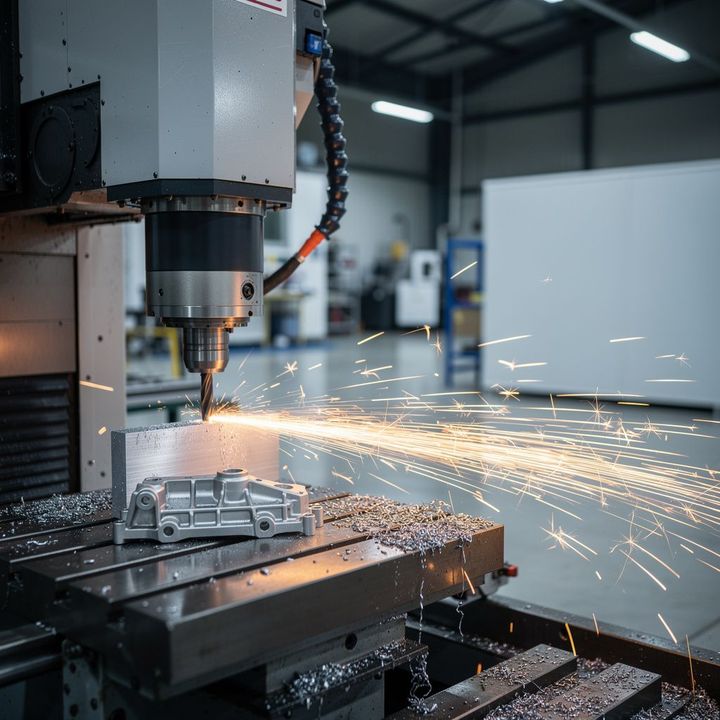
Computer Numerical Control (CNC) machines represent a fundamental shift in how manufacturing and precision work are performed. These automated systems use programmed instructions to control cutting tools, drills, and other equipment with remarkable accuracy. Understanding how CNC machines work opens doors to appreciating modern manufacturing capabilities and exploring career opportunities in this growing field. This beginner's guide breaks down the essential concepts, components, and applications of CNC technology in accessible language.
Understanding CNC Machine Basics
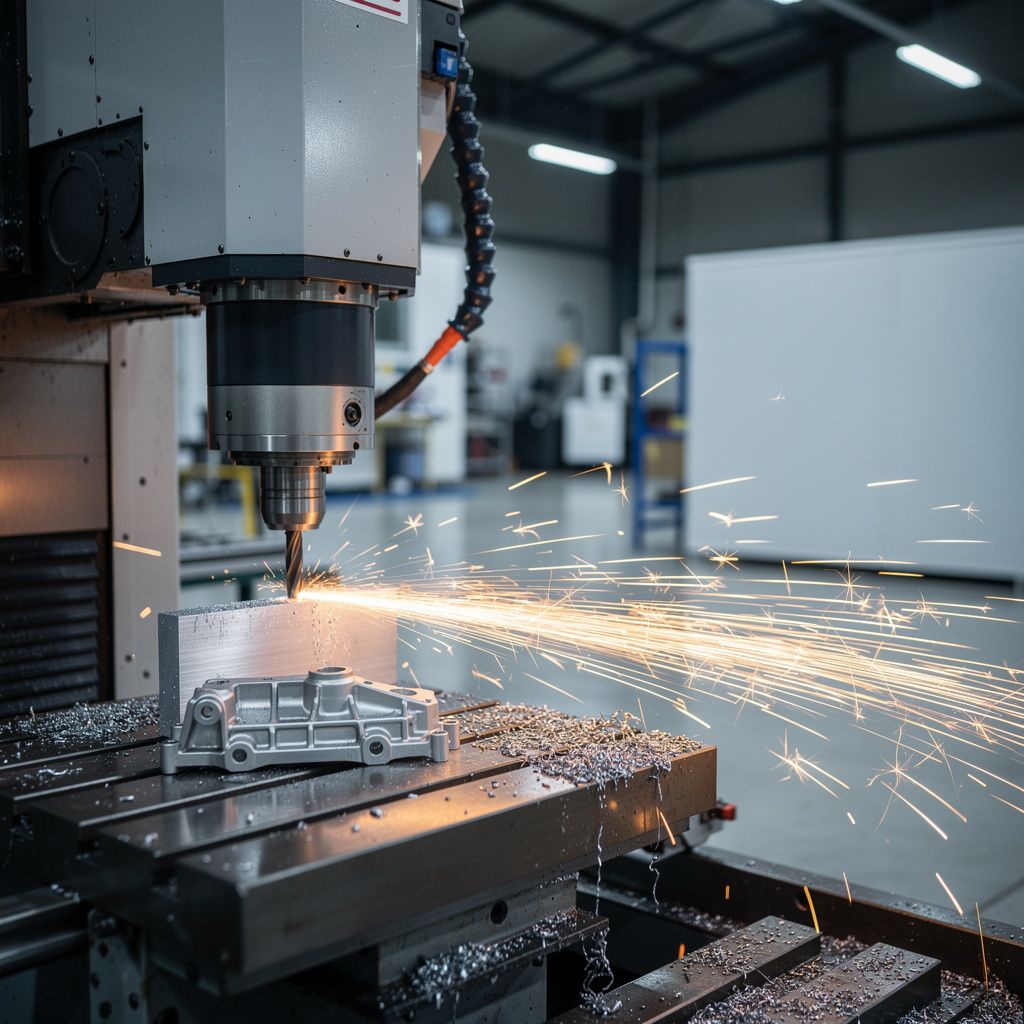
A CNC machine operates by following precise digital instructions to move cutting tools along predetermined paths. Unlike manual machines that require an operator to guide tools by hand, CNC systems use computer programs to automate these movements. The term "numerical control" refers to the use of numbers and coordinates to direct machine operations. Modern CNC machines can perform complex tasks with tolerances measured in thousandths of an inch, making them invaluable for industries requiring high precision.
The fundamental principle behind CNC operation involves three main components working together: the computer system, the mechanical structure, and the control system. The computer stores and executes the program containing all movement instructions. The mechanical structure includes the table, spindle, and axes that physically move the cutting tools. The control system interprets the program and translates it into electrical signals that drive motors and actuators.
Benefits and Limitations of CNC Technology
CNC machines offer substantial advantages over traditional manual machining. They provide consistent accuracy across multiple parts, eliminating human error and variation. Production speeds increase significantly since machines operate continuously without fatigue. Complex geometries that would be difficult or impossible to create manually become routine. Additionally, CNC machines can operate with minimal supervision, allowing operators to manage multiple machines simultaneously and reducing labor costs per unit produced.
However, CNC technology does have limitations worth considering. Initial equipment costs are substantial compared to manual machines. Programming requires specialized knowledge and training. Setup times can be lengthy for complex jobs. Machine downtime for maintenance impacts production schedules. Additionally, CNC machines work best for medium to high-volume production runs; for single custom pieces, manual machining may be more economical.
Types of CNC Machines
Different CNC machines serve different manufacturing purposes. Understanding the distinctions helps in selecting appropriate equipment for specific applications.
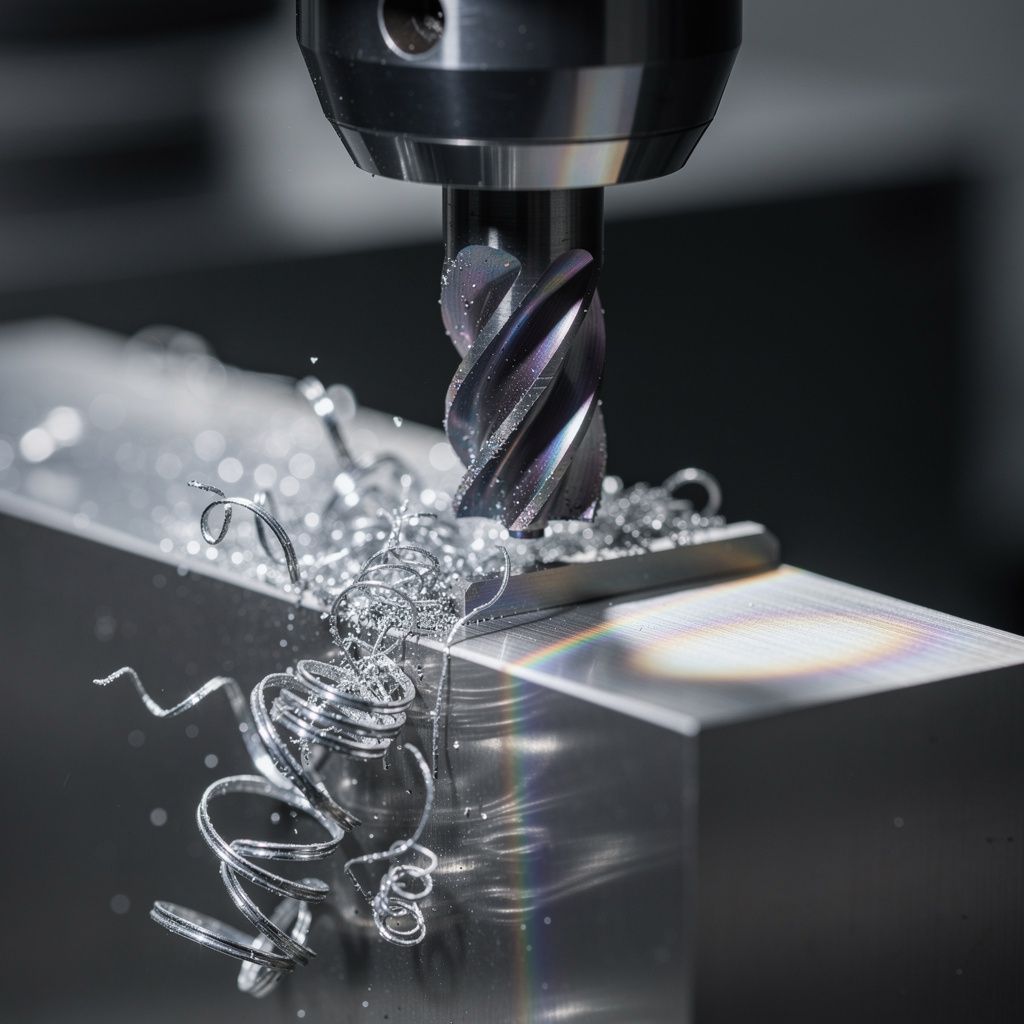
- CNC Mills: These machines move cutting tools across three or more axes to remove material from workpieces. Mills are versatile and suitable for creating slots, pockets, and complex shapes in metal, plastic, and wood.
- CNC Lathes: Lathes rotate the workpiece while stationary cutting tools shape it. They excel at creating cylindrical parts, threads, and tapered features with excellent surface finishes.
- CNC Routers: Designed for softer materials like wood, plastic, and composites, routers use rotating bits to cut and shape. They're popular in woodworking, sign-making, and aerospace industries.
- CNC Plasma Cutters: These machines use plasma torches to cut through conductive metals quickly and efficiently, ideal for sheet metal work and heavy fabrication.
- CNC Laser Cutters: Laser systems cut and engrave with precision, working on various materials including metals, wood, acrylic, and textiles with minimal material waste.
How CNC Machines Actually Function
The operation of a CNC machine involves several sequential steps. First, an engineer creates a design using Computer-Aided Design (CAD) software. This design is converted into a CNC program using Computer-Aided Manufacturing (CAM) software, which generates the specific coordinates and commands the machine will follow. The program is loaded into the machine's control system, which reads each instruction and commands the appropriate motors and actuators to move.
The machine's axes move in coordinated patterns to position the cutting tool precisely. For a three-axis mill, these are typically X (horizontal left-right), Y (horizontal forward-backward), and Z (vertical up-down) movements. More advanced machines include additional axes for rotational movements. The spindle, which holds the cutting tool, rotates at speeds determined by the program. Coolant systems keep tools and workpieces cool during cutting. Sensors provide feedback to the control system, ensuring movements are accurate and detecting any problems.
Current Trends in CNC Technology
CNC technology continues evolving rapidly. Multi-axis machines with five, six, or more axes enable more complex operations in single setups, reducing handling and improving accuracy. Automation integration allows CNC machines to work with robotic arms and conveyor systems for continuous production. Improved software makes programming faster and more intuitive, reducing setup times. Sustainability concerns drive development of machines with better energy efficiency and reduced material waste. Connectivity features enable remote monitoring and predictive maintenance, helping operators identify potential issues before breakdowns occur.
Key Features to Understand
Several important features characterize CNC machines and influence their capabilities:
| Feature | Description | Impact on Performance |
|---|---|---|
| Spindle Speed | Revolutions per minute of the cutting tool | Affects cutting speed and surface finish quality |
| Feed Rate | Speed at which the tool advances into material | Influences material removal rate and tool life |
| Accuracy/Tolerance | How precisely the machine can position tools | Determines suitability for precision applications |
| Work Envelope | Maximum dimensions of parts the machine can handle | Limits the size of workpieces that can be machined |
| Tool Changer | Automatic system for switching cutting tools | Reduces setup time and enables complex operations |
Industries Using CNC Machines
CNC technology has become essential across numerous sectors. Aerospace manufacturers use CNC machines to create precision components for aircraft and spacecraft. Automotive companies employ CNC systems to produce engine parts, chassis components, and interior elements. Medical device manufacturers rely on CNC precision for implants, surgical instruments, and diagnostic equipment. Electronics manufacturers use CNC systems to create circuit board components and housings. Jewelry makers employ CNC technology for intricate designs. Construction companies use CNC routers for custom cabinetry and architectural elements. The versatility of CNC machines makes them valuable in virtually any manufacturing environment.
Selecting the Right CNC Machine
Choosing appropriate CNC equipment requires evaluating several factors. Consider the materials you'll be working with, as different machines handle metals, plastics, wood, and composites differently. Determine the size range of parts you'll produce to ensure the machine's work envelope is adequate. Evaluate the complexity of designs you need to create, as this affects the number of axes required. Assess your production volume, since high-volume production justifies larger capital investments. Consider available space, power requirements, and maintenance capabilities. Evaluate software compatibility and programming expertise available in your organization. Budget for both the machine purchase and ongoing operational costs including tooling, coolant, and maintenance.
Practical Tips for CNC Operations
Successful CNC machining involves understanding best practices. Always verify that programs are correct before running them on expensive materials; test runs on scrap material prevent costly mistakes. Maintain cutting tools properly, as dull tools produce poor results and can damage machines. Monitor coolant levels and quality, as proper cooling extends tool life and improves surface finishes. Keep machines clean and well-maintained to prevent unexpected breakdowns. Invest in operator training to ensure safe, efficient machine use. Document programs and processes for consistency and troubleshooting. Start with slower feed rates and spindle speeds when learning, then optimize based on results.
Common Questions About CNC Machines
What does CNC stand for?
CNC stands for Computer Numerical Control. The "numerical" aspect refers to the use of numbers and coordinates to direct machine operations through programmed instructions.
How accurate are CNC machines?
Modern CNC machines can achieve tolerances of 0.001 inches or better, depending on the machine quality, tool condition, and material being machined. This precision is far superior to manual machining capabilities.
Can CNC machines work with different materials?
Yes, CNC machines can work with metals, plastics, wood, composites, and other materials. Different machine types and cutting tools are optimized for specific materials, but the basic CNC principle applies across all.
How long does it take to learn CNC programming?
Basic CNC programming can be learned in weeks with dedicated study. Becoming proficient typically requires months of hands-on experience. Advanced programming skills develop over years of practice and specialization.
What maintenance do CNC machines require?
Regular maintenance includes cleaning, lubrication, coolant management, tool inspection, and periodic calibration. Preventive maintenance extends machine life and maintains accuracy. Most manufacturers provide detailed maintenance schedules.
Are CNC machines suitable for small businesses?
Yes, though initial investment is significant. Smaller CNC machines and used equipment options make the technology accessible to small operations. The increased efficiency and consistency often justify the investment for businesses with adequate production volume.
Conclusion
CNC machines represent a transformative technology that has fundamentally changed manufacturing and precision production. By automating tool movements with computer control, these machines deliver consistency, accuracy, and efficiency impossible to achieve manually. Understanding how CNC machines work—from basic principles through operational mechanics—provides valuable insight into modern manufacturing capabilities. Whether you're considering entering the manufacturing field, evaluating equipment for your business, or simply curious about how modern production works, CNC technology offers fascinating applications and opportunities. As technology continues advancing, CNC machines will likely become even more sophisticated, accessible, and integral to manufacturing across industries. The knowledge gained from this guide provides a solid foundation for further exploration of this essential manufacturing technology.