Thermal Power Generation Explained: Technologies, Equipment, Power Systems and Industrial Applications
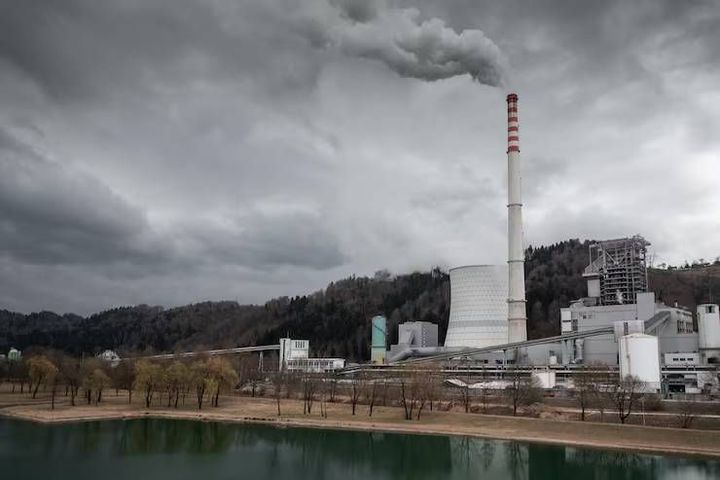
Thermal power generation is a process of converting heat energy into electricity through mechanical and electrical systems. It is widely used in utility power stations, industrial facilities and combined heat and power plants. Depending on the technology, heat may come from coal, natural gas, oil, biomass, waste or other energy sources.
Thermal power plants rely on equipment such as boilers, steam turbines, gas turbines, generators, condensers, pumps and control systems. Their design depends on fuel availability, electricity demand, operating conditions, environmental requirements and the required generating capacity.
What Is Thermal Power Generation?
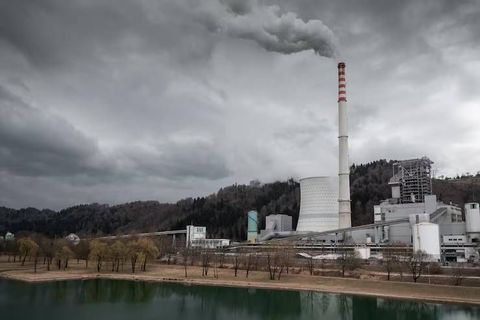
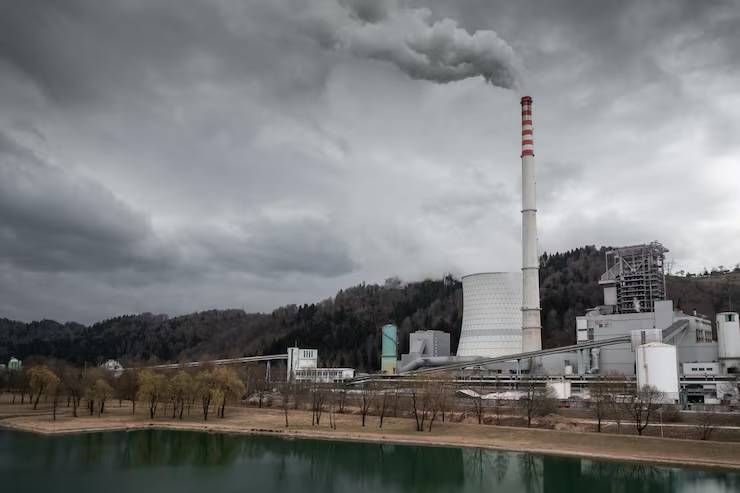
Thermal power generation converts thermal energy into electrical energy. In a conventional steam power plant, fuel combustion heats water inside a boiler to produce high-pressure steam. The steam expands through a turbine, causing its shaft to rotate. A generator connected to the turbine converts this mechanical rotation into electricity.
Gas-fired power plants can generate electricity by directing hot combustion gases through a gas turbine. Combined-cycle plants use the gas turbine's exhaust heat to produce steam, which drives an additional steam turbine.
Thermal power generation technologies are used in central electricity networks and industrial facilities that require a reliable supply of electricity or process heat.
The main objectives of a thermal power plant include:
Converting fuel energy into electricity efficiently.
Maintaining stable output under changing demand.
Managing fuel and water consumption.
Protecting equipment through automated control systems.
Controlling emissions and industrial waste.
Maintaining safe and reliable plant operation.
How a Thermal Power Plant Works
The operating process depends on the plant technology. Conventional steam plants use a water-steam cycle, while gas turbine plants convert combustion energy directly into shaft power.
1. Fuel Handling and Preparation
The fuel-handling system receives, stores and prepares fuel for combustion. Coal-fired plants may use conveyors, crushers, pulverisers and feeders to deliver finely ground coal to the boiler burners.
Gas-fired plants use fuel-gas conditioning, pressure regulation and metering systems. Biomass and waste-fired facilities require handling equipment suited to their particular fuel characteristics.
2. Heat Generation
In a conventional boiler, fuel burns in a furnace and releases thermal energy. Heat transfers to water circulating through boiler tubes, producing steam.
The furnace, burners, combustion-air system and heat-transfer surfaces must be designed to support stable combustion and appropriate operating temperatures.
3. Steam Generation and Superheating
Water passes through the boiler's heat-transfer sections. Depending on the design, the system includes an economiser, evaporator, steam drum and superheater.
The superheater raises the steam temperature above its saturation temperature, improving the conditions under which the steam turbine operates.
4. Turbine Operation
High-pressure steam enters the steam turbine and expands through multiple stages of stationary and rotating blades. As the steam expands, it transfers energy to the turbine rotor.
In gas turbine plants, hot combustion gases expand through turbine stages, rotating the shaft and producing mechanical power.
5. Electricity Generation
The turbine shaft drives an electrical generator. The generator converts mechanical energy into electrical energy through electromagnetic induction.
Transformers then raise the voltage to a level appropriate for transmission or distribution, while switchgear and protection systems manage electrical connections and isolate faults.
6. Condensation and Feedwater Recovery
In a conventional steam cycle, exhaust steam from the turbine enters a condenser, where it is cooled and converted back into water.
Condensate and feedwater pumps return the water to the boiler through appropriate treatment and heating stages. Reusing the working fluid reduces the need for continuous fresh-water replacement.
7. Emissions Control and Waste Handling
Combustion exhaust may contain particulate matter, sulphur dioxide, nitrogen oxides and other pollutants. Depending on the fuel and regulatory requirements, plants can use fabric filters, electrostatic precipitators, flue gas desulphurisation systems and nitrogen oxide control technologies.
Ash-handling systems collect combustion residues, while wastewater treatment and water-management equipment support environmental compliance.
Major Types of Thermal Power Generation Technologies
Different technologies use heat in different ways. The choice depends on fuel type, required output, operating flexibility, efficiency targets and environmental considerations.
1. Coal-Fired Thermal Power Plants
Coal-fired power plants burn coal in a boiler to produce high-pressure steam. The steam drives a turbine connected to a generator.
Major equipment includes coal-handling conveyors, crushers, pulverisers, burners, boilers, steam turbines, condensers and ash-handling systems.
Coal-fired plants can provide large amounts of electricity, but they require substantial fuel-handling infrastructure and extensive emissions-control equipment. Their environmental impacts include carbon dioxide emissions, particulate pollution and other combustion-related pollutants.
2. Natural Gas-Fired Power Plants
Natural gas-fired plants burn gas to produce hot combustion gases that expand through a gas turbine. The turbine drives a generator to produce electricity.
Simple-cycle gas turbines are often used where rapid starting or flexible output is important. Their overall efficiency is generally lower than that of combined-cycle configurations, which recover exhaust heat to generate additional power.
Major components include gas turbines, combustors, fuel-conditioning equipment, generators, inlet filtration systems and exhaust equipment.
3. Combined-Cycle Power Plants
Combined-cycle power plants combine gas turbine and steam turbine generation. The gas turbine produces electricity first, while its hot exhaust passes through a heat recovery steam generator (HRSG).
The HRSG produces steam that drives a separate steam turbine, generating additional electricity from the same fuel input.
Main characteristics:
Higher fuel-to-electricity efficiency than a comparable simple-cycle gas turbine arrangement.
Reduced fuel consumption per unit of electricity under suitable operating conditions.
Integration of gas turbines, HRSGs and steam turbines.
Potential for flexible electricity generation.
More complex plant integration and control requirements.
4. Oil-Fired Power Plants
Oil-fired plants use liquid fuels to generate heat in boilers or drive combustion turbines. Heavy fuel oil and distillate fuels have different handling, combustion and emissions characteristics.
Equipment can include fuel storage tanks, transfer pumps, filtration systems, heaters for selected fuels, burners, boilers, turbines and exhaust-treatment systems.
Oil-fired generation is used in some utility and industrial settings, particularly where fuel availability and existing infrastructure support it.
5. Biomass-Fired Power Plants
Biomass power plants use organic materials such as wood residues, agricultural by-products and other suitable biomass fuels to produce heat.
The heat can generate steam for a turbine or support combined heat and power applications. Fuel preparation systems may include shredders, screens, conveyors, dryers and specialised feeding equipment.
Plant design must account for fuel moisture, ash characteristics, combustion stability and emissions control.
6. Waste-to-Energy Plants
Waste-to-energy facilities recover energy from selected waste streams through controlled combustion or other thermal processes. Heat recovery boilers produce steam that can be used to generate electricity or supply industrial heat.
The technology requires waste-handling equipment, combustion chambers, boilers, ash-removal systems and specialised exhaust-gas treatment.
Waste composition can vary considerably, so process control and emissions monitoring are important operational requirements.
Comparison of Thermal Power Generation Technologies
Technology | Primary energy source | Main generation equipment | Key characteristics |
|---|---|---|---|
Coal-fired | Coal | Boiler, steam turbine, generator | Large-scale steam generation and extensive fuel handling |
Natural gas, simple cycle | Natural gas | Gas turbine, generator | Flexible operation and relatively quick starting |
Combined cycle | Usually natural gas | Gas turbine, HRSG, steam turbine | Recovers exhaust heat for additional electricity |
Oil-fired | Liquid petroleum fuels | Boiler or combustion turbine | Depends on fuel properties and storage infrastructure |
Biomass-fired | Organic fuels | Combustion system, boiler, steam turbine | Uses suitable biomass and requires fuel-specific handling |
Waste-to-energy | Selected waste streams | Combustion system, boiler, turbine | Combines waste treatment with energy recovery |
Operating performance varies with plant design, ambient conditions, fuel quality, maintenance and operating load.
Main Equipment Used in Thermal Power Plants
Thermal power plants integrate mechanical, electrical, fluid-handling and automation equipment. Each subsystem contributes to generation, process stability or environmental protection.
Boilers and Steam Generators
Boilers transfer heat to water to produce steam. They are central to conventional steam power plants and may also be used in biomass-fired and waste-to-energy installations.
Major boiler components can include:
Furnace and combustion chamber
Water-wall tubes
Steam drum in drum-type designs
Evaporator and superheater sections
Reheater
Economiser
Air preheater
Burners and combustion controls
Boiler designs vary according to pressure, temperature, fuel type and generating capacity.
Steam Turbines
Steam turbines convert the thermal energy of pressurised steam into mechanical rotation. They commonly include high-pressure, intermediate-pressure and low-pressure sections.
Turbine systems may incorporate control valves, rotor assemblies, blade rows, bearings, seals, lubrication systems and vibration-monitoring equipment.
Manufacturing precision is important because turbine components operate under demanding temperature, pressure and rotational conditions.
Gas Turbines
Gas turbines convert energy from hot combustion gases into shaft power. They generally contain a compressor, combustor and turbine section.
The compressor raises the pressure of incoming air. Fuel is added and burned in the combustor, and the resulting hot gases expand through the turbine. The turbine drives the compressor and generator.
Gas turbines are used in simple-cycle plants, combined-cycle facilities and industrial cogeneration installations.
Electrical Generators and Transformers
Generators convert turbine rotation into electrical power. Depending on the design, they may use air, hydrogen or water-based cooling arrangements.
Transformers adjust electrical voltage for plant auxiliaries, grid connection and transmission. Switchgear, circuit breakers, protective relays and electrical control systems support safe operation and fault isolation.
Condensers and Cooling Systems
Steam condensers convert turbine exhaust steam into water, allowing the working fluid to return to the boiler cycle.
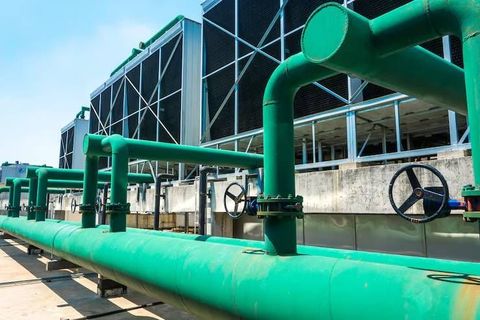
Cooling systems remove the heat transferred to the condenser. These may use cooling towers, river or seawater systems where permitted, or air-cooled condensers.
Cooling-system selection depends on climate, water availability, environmental constraints and plant performance requirements.
Pumps, Fans and Compressors
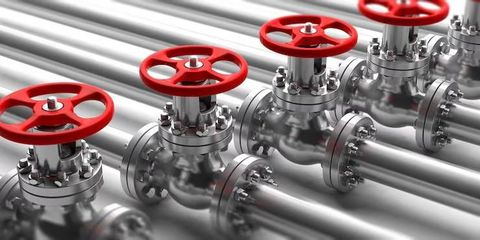
Thermal plants use feedwater pumps, condensate pumps, cooling-water pumps, fuel pumps, forced-draught fans and induced-draught fans.
These machines maintain the flow of water, fuel and air through the plant. Equipment selection considers flow rate, pressure, temperature, efficiency, materials and operating reliability.
Environmental Control Equipment
Environmental systems help control pollutants generated by combustion.
Common equipment includes:
Electrostatic precipitators for particulate collection.
Fabric filters for dust capture.
Flue gas desulphurisation systems for sulphur dioxide reduction.
Selective catalytic reduction or selective non-catalytic reduction systems for nitrogen oxide control.
Ash-handling and residue-management systems.
Wastewater treatment and water-recovery equipment.
The selected configuration depends on fuel composition, plant design and applicable emission requirements.
Automation and Control Systems
Modern thermal power plants use distributed control systems, turbine control systems, burner management systems and electrical protection systems.
Instrumentation measures parameters such as temperature, pressure, flow, vibration, oxygen concentration and electrical output. Automated controls coordinate combustion, feedwater flow, steam conditions, turbine operation and safety interlocks.
Manufacturing Processes for Thermal Power Equipment
Thermal power equipment manufacturing requires detailed engineering, specialised materials, precision fabrication and extensive inspection.
1. Engineering and Design
Engineering teams establish operating requirements, thermal loads, pressure ratings, output capacity and equipment interfaces.
Design work can include thermodynamic calculations, heat-transfer analysis, stress analysis, fluid-flow modelling, structural design and control-system development.
2. Material Selection
Materials are selected according to operating temperature, pressure, corrosion exposure, fatigue loading and expected service conditions.
Boiler pressure parts may use specified grades of steel suitable for elevated temperatures and pressures. Turbine blades, rotors and casings require materials with appropriate strength, toughness and thermal characteristics.
3. Component Fabrication
Manufacturing operations may include cutting, forging, casting, rolling, machining, welding and heat treatment.
Large equipment such as boiler modules, turbine casings, condenser assemblies, generator frames and pressure vessels may require specialised manufacturing facilities.
4. Precision Machining
Turbine rotors, blade roots, shafts, bearing surfaces and other critical components require accurate machining and dimensional control.
Manufacturers use precision measuring equipment and inspection methods to verify geometry, tolerances and surface condition.
5. Welding and Heat Treatment
Boilers, pressure vessels and piping systems require qualified welding procedures. Depending on the material and design, heat treatment may be used to control residual stresses or achieve required material properties.
Weld inspection can include visual examination, ultrasonic testing, radiographic testing or other methods specified by applicable codes.
6. Assembly and Quality Testing
Components are assembled into equipment packages or modules. Testing can include pressure tests, dimensional checks, balancing, electrical insulation tests, generator checks and control-system verification.
Factory acceptance tests confirm selected equipment characteristics before delivery.
7. Installation and Commissioning
At the plant site, equipment is installed, aligned and connected to mechanical, electrical and control systems.
Commissioning verifies operating sequences, safety interlocks, instrumentation, equipment performance and plant integration. Performance testing is conducted according to project specifications and applicable standards.
Global Thermal Power Generation Manufacturers and Suppliers
The thermal power industry includes manufacturers of boilers, steam turbines, gas turbines, generators, heat recovery steam generators, pumps, valves, transformers and environmental-control equipment.
The following companies are examples of organisations active in thermal power technology or related equipment sectors.
Company | Country of origin | Relevant equipment or technology areas |
|---|---|---|
Mitsubishi Heavy Industries | Japan | Boilers, steam turbines and thermal power systems |
Siemens Energy | Germany | Gas turbines, steam turbines and combined-cycle systems |
GE Vernova | United States | Gas turbines, steam power equipment and power-generation systems |
Doosan Enerbility | South Korea | Boilers, turbines and power plant engineering |
BHEL | India | Boilers, steam turbines, generators and power plant equipment |
Toshiba | Japan | Steam turbines, generators and thermal power systems |
Thermax | India | Industrial boilers and energy systems |
Larsen & Toubro | India | Power infrastructure, engineering and industrial equipment |
Dongfang Electric | China | Boilers, steam turbines and generators |
Shanghai Electric | China | Thermal power equipment and integrated power-generation systems |
Harbin Electric | China | Boilers, turbines and generator equipment |
Triveni Turbine | India | Industrial steam turbines and power-generation applications |
These organisations have different product portfolios and project capabilities. Some focus on large utility-scale plants, while others manufacture industrial boilers, steam turbines or selected plant components.
When evaluating suppliers, project teams should verify technical specifications, applicable certifications, reference installations, manufacturing capacity, regional support and compatibility with the intended fuel and operating conditions.
Industrial Applications of Thermal Power Generation
Electricity Generation for National Grids
Utility-scale thermal plants supply electricity to transmission networks. Plant operators coordinate generation with grid demand, equipment availability and the output of other generation sources.
Industrial Captive Power Plants
Manufacturing facilities may operate their own power plants to support production processes. Captive plants can provide electricity for motors, furnaces, compressors, pumps and other industrial equipment.
Combined Heat and Power
Combined heat and power (CHP), also known as cogeneration, produces electricity and useful thermal energy from the same fuel input.
Steam or hot water can be supplied to industrial processes while electricity is generated for on-site consumption or grid export. CHP is used in chemical plants, refineries, paper mills, food-processing facilities and other industries with substantial heat demand.
Refineries and Petrochemical Plants
Refineries and petrochemical complexes require electricity and steam for pumps, compressors, separation equipment and chemical processes.
Thermal power and cogeneration systems can provide both forms of energy, depending on the facility's design and operating requirements.
Cement and Steel Manufacturing
Cement and steel facilities use substantial amounts of thermal energy. Power-generation systems may be integrated with boilers, waste-heat recovery equipment and industrial steam networks.
Some installations recover heat from kilns, furnaces or process exhaust gases to generate additional electricity.
Pulp and Paper Manufacturing
Pulp and paper mills use steam for drying, heating and other production stages. Cogeneration systems can support these thermal requirements while generating electricity.
Waste and Biomass Processing
Waste-to-energy plants and biomass-fired installations convert suitable feedstocks into useful heat and electricity. Their design requires specialised fuel-handling, combustion and emissions-control equipment.
Benefits and Limitations of Thermal Power Generation
Benefits
Can provide large-scale, controllable electricity generation.
Supports industrial facilities that require continuous power and process steam.
Combined-cycle and cogeneration arrangements can improve fuel utilisation.
Existing plants can sometimes be upgraded through equipment replacement and control-system improvements.
Multiple fuel and technology configurations are available.
Limitations
Fossil-fuel plants produce carbon dioxide emissions.
Coal and oil combustion can generate particulate matter and other air pollutants.
Boilers, turbines and auxiliary equipment require regular maintenance.
Water use can be substantial in plants with water-cooled condensers.
Fuel supply, transport and storage affect plant reliability.
Large projects require complex engineering, installation and commissioning.
Environmental performance varies significantly with the fuel, plant technology, efficiency and emissions-control configuration.
Factors to Consider When Selecting Thermal Power Equipment
Selecting equipment requires a detailed technical assessment of the facility's energy needs and operating conditions.
Generating capacity: Determine the required electrical output and any process-steam demand.
Fuel characteristics: Assess fuel availability, quality, heating value and handling requirements.
Operating flexibility: Establish starting frequency, load changes and expected operating hours.
Thermal efficiency: Evaluate fuel utilisation under expected operating conditions.
Water requirements: Review boiler-feedwater treatment and cooling-system requirements.
Environmental controls: Identify applicable limits for particulate matter, sulphur dioxide, nitrogen oxides and carbon emissions.
Equipment compatibility: Confirm that boilers, turbines, generators and auxiliary systems work together as an integrated plant.
Maintenance access: Consider inspection intervals, spare parts and equipment replacement procedures.
Automation: Evaluate monitoring, control, protection and cybersecurity requirements.
Plant life-cycle planning: Consider equipment durability, operating reliability and future upgrades.
A complete assessment should include the entire plant system rather than evaluating the boiler or turbine in isolation.
Maintenance and Operational Considerations
Regular inspection and preventive maintenance help maintain thermal power plant reliability.
Boiler maintenance may involve inspecting pressure parts, burners, heat-transfer surfaces, safety valves and feedwater systems. Turbine maintenance can include checking blade condition, rotor alignment, bearings, seals and vibration levels.
Generators require inspection of cooling systems, insulation, electrical connections and protective devices. Pumps, fans, valves and auxiliary systems should also be monitored for wear, leakage and abnormal vibration.
Operators commonly track:
Fuel consumption and heat rate.
Boiler pressure and steam temperature.
Turbine vibration and bearing temperature.
Generator output and electrical parameters.
Cooling-system performance.
Emissions readings and environmental-control performance.
Equipment alarms and maintenance history.
Operational procedures must address high-pressure steam, hot surfaces, fuel hazards, rotating machinery, electrical equipment and confined spaces.
Frequently Asked Questions
What is thermal power generation?
Thermal power generation converts heat energy into electricity using equipment such as steam turbines, gas turbines and generators.
What is the role of a boiler in a thermal power plant?
A boiler transfers heat to water to produce steam. The steam drives a turbine, which turns a generator to produce electricity.
What is the difference between a steam turbine and a gas turbine?
A steam turbine operates using expanding steam, while a gas turbine operates using hot combustion gases. Combined-cycle plants use both technologies to recover additional energy from the fuel.
What is a combined-cycle power plant?
A combined-cycle plant uses a gas turbine to generate electricity and recovers its exhaust heat in an HRSG to produce steam for a second generating stage.
Which equipment is essential in a thermal power plant?
Major equipment includes boilers or gas turbines, steam turbines where applicable, generators, condensers, pumps, cooling systems, transformers, control systems and environmental-control equipment.
Which industries use thermal power generation?
Applications include utility electricity generation, manufacturing, refineries, petrochemical plants, cement production, steelmaking, pulp and paper manufacturing, and waste-to-energy facilities.
What is cogeneration?
Cogeneration is the simultaneous production of electricity and useful heat from the same energy source. It can support industrial facilities that require both electrical power and process steam.
How can thermal power plant efficiency be improved?
Efficiency can be improved through higher-performance boilers and turbines, heat recovery, improved combustion control, reduced auxiliary power consumption, effective maintenance and appropriate operating practices.
Conclusion
Thermal power generation remains an important part of electricity production and industrial energy supply. Different technologies, including coal-fired steam plants, gas turbines, combined-cycle systems, biomass plants and waste-to-energy facilities, serve different operating requirements.
The performance of a thermal power plant depends on the integration of boilers, turbines, generators, heat exchangers, pumps, environmental-control equipment and automation systems. Careful equipment selection, high-quality manufacturing, effective commissioning and planned maintenance support reliable operation and improved energy utilisation.