Hydraulic Shearing Machines Explained: Machine Types, Cutting Technologies, Manufacturing Processes, Global Manufacturers, Suppliers and Industrial Applications
Hydraulic shearing machines are industrial metal-cutting systems that use hydraulic power to move a cutting blade through sheet metal, plates, and other suitable materials. These machines are widely used in metal fabrication, construction equipment manufacturing, automotive production, shipbuilding, and industrial machinery manufacturing.
Hydraulic shearing technology combines controlled force, rigid machine structures, blade geometry, and adjustable cutting parameters to produce straight cuts across metal workpieces. Understanding machine types, hydraulic systems, manufacturing processes, and application requirements helps engineers and production teams select suitable equipment for their operations.
Context
What Are Hydraulic Shearing Machines?
A hydraulic shearing machine uses pressurized hydraulic fluid to generate the force required to move one or more blades through a workpiece. Most industrial models are designed for straight-line cutting of sheet metal or plate, although machine configurations and material capabilities vary.
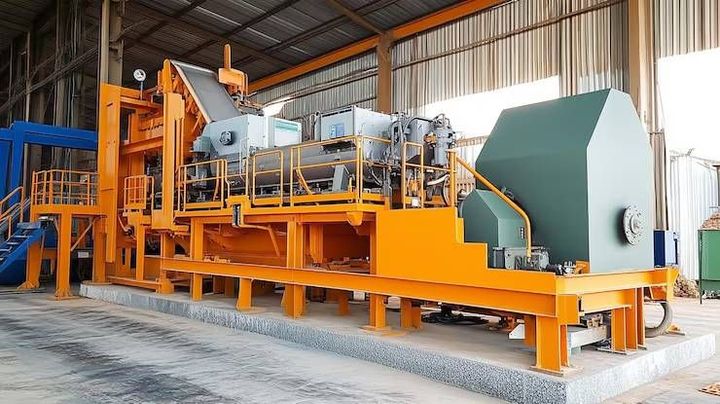
A typical machine consists of a frame, upper and lower blades, hydraulic cylinders, a hydraulic power unit, a workpiece support table, a hold-down system, and a control panel. A backgauge positions the material to achieve the required cut length, while blade clearance and cutting angle influence cutting quality and machine loading.
During operation, the workpiece is positioned on the table and secured by hold-down devices. The upper blade then moves against the stationary lower blade, separating the material through a shearing action. The resulting edge quality depends on material properties, thickness, blade condition, clearance, and alignment.
Hydraulic shearing differs from laser, plasma, and waterjet cutting because it separates material through mechanical force rather than a concentrated thermal beam or high-pressure fluid jet.
Major Types of Hydraulic Shearing Machines
Hydraulic shearing machines are available in several configurations. Their suitability depends on plate thickness, material strength, cutting length, production volume, and required accuracy.
1. Swing Beam Hydraulic Shears
Swing beam machines use an upper blade that follows an arcuate movement around a pivot. This arrangement is commonly used for sheet-metal cutting and many general fabrication applications.
Their mechanical configuration can simplify blade movement and machine operation. Actual cutting capacity depends on frame design, hydraulic force, blade geometry, and the material being processed.
2. Guillotine Hydraulic Shears
Guillotine shears guide the upper blade in a predominantly vertical or straight-line movement. Depending on the design, the machine may use hydraulic cylinders, guide systems, and a rigid blade carrier to maintain alignment during cutting.
These machines are used for plate processing, heavy fabrication, and applications requiring a stable cutting motion over a defined working length.
3. CNC Hydraulic Shearing Machines
Computer numerical control (CNC) systems automate selected machine settings and cutting sequences. Depending on the model, CNC functionality may include backgauge positioning, programmable cut lengths, blade-gap adjustment, cutting-angle settings, and production sequence control.
Automation can reduce repetitive manual adjustments and improve consistency across repeated batches.
4. Heavy-Duty Plate Shears
Heavy-duty hydraulic shears are designed for thicker plates and demanding production environments. Their frames, hydraulic systems, blades, and support structures are engineered for the loads associated with the specified material and thickness.
Typical applications include structural steel fabrication, shipbuilding, heavy equipment production, and metal processing facilities.
5. Variable-Rake Hydraulic Shears
Some hydraulic shears allow the cutting angle, commonly described as the rake angle, to be adjusted. A suitable setting can help balance cutting force, distortion, and edge quality for different workpiece conditions.
The available adjustment range and operating procedure vary by machine design.
Hydraulic Shearing Technologies and Main Components
Hydraulic shearing performance depends on the interaction of the hydraulic circuit, mechanical structure, cutting tools, and positioning system.
Hydraulic power unit: A motor-driven pump pressurizes the hydraulic fluid. Reservoirs, filters, and cooling arrangements help maintain suitable fluid conditions.
Hydraulic cylinders: Cylinders convert fluid pressure into linear force that moves the blade carrier or associated mechanism.
Directional and pressure-control valves: These components regulate fluid direction, pressure, and movement. Their configuration affects machine response and operating control.
Upper and lower blades: Blades are manufactured from suitable tool steels or other specified materials and require appropriate hardness, geometry, and edge condition.
Blade clearance adjustment: The clearance between the upper and lower blades must suit the workpiece material and thickness. Incorrect clearance can increase burr formation, distortion, or blade loading.
Backgauge system: Mechanical or motorized backgauges position sheet metal at the required cutting dimension. CNC-controlled systems can automate positioning for repeated cuts.
Hold-down system: Hydraulic or other mechanical hold-down devices secure the workpiece during cutting, helping limit movement.
Control and safety systems: Controls coordinate machine movement, while guards, interlocks, emergency stops, and other protective measures help reduce operator exposure to hazards.
Comparison of Hydraulic Shearing Machine Types
| Machine type | Cutting motion or control | Typical applications | Important considerations |
|---|---|---|---|
| Swing beam shear | Pivoting blade movement | General sheet-metal fabrication | Blade geometry and clearance |
| Guillotine shear | Guided, near-linear blade movement | Plate processing and heavy fabrication | Alignment and structural rigidity |
| CNC hydraulic shear | Programmed positioning and settings | Repetitive production batches | Control capability and setup requirements |
| Heavy-duty plate shear | Reinforced structure for demanding loads | Structural steel and heavy plate | Material strength and rated capacity |
| Variable-rake shear | Adjustable cutting angle | Mixed material thicknesses and cutting requirements | Appropriate angle selection |
Importance of Hydraulic Shearing Machines
Hydraulic shearing machines play an important role in manufacturing processes that require straight cuts in sheet metal and plate. They can prepare raw material for subsequent operations such as bending, welding, punching, forming, and assembly.
Their main advantages include controlled cutting force, suitability for a range of material thicknesses within the machine's rated capacity, and the ability to process repeated rectangular or straight-edged workpieces.
Hydraulic systems can generate substantial force within a relatively compact machine arrangement. However, actual throughput and dimensional consistency depend on the machine configuration, material handling, operator procedures, blade condition, and workpiece characteristics.
Shearing can also avoid the heat-affected zones associated with thermal cutting methods. Nevertheless, mechanical deformation, burrs, edge rollover, or angular distortion can occur and must be considered when planning downstream manufacturing operations.
Manufacturing Processes for Hydraulic Shearing Machines
Manufacturing a hydraulic shearing machine involves structural fabrication, precision machining, hydraulic assembly, electrical integration, and performance verification.
1. Engineering Design and Capacity Planning
Engineers establish the intended cutting length, maximum material thickness, material strength range, production requirements, and installation conditions.
Design calculations determine the required cutting force, frame stiffness, cylinder dimensions, blade arrangement, and hydraulic circuit parameters. CAD models and engineering simulations may be used to evaluate machine geometry, structural loading, and component interactions.
2. Frame Fabrication
The machine frame is generally fabricated from structural steel plate or other specified structural materials. Cutting, machining, welding, and stress-relief procedures may be applied according to the design.
Frame rigidity is important because excessive deflection can affect blade alignment, cutting quality, and component loading. Critical mounting surfaces may require machining after fabrication to achieve the necessary geometry.
3. Blade and Tooling Production
Cutting blades are produced from suitable tool steel or other materials selected for the intended application. Manufacturing steps may include cutting, heat treatment, precision grinding, and dimensional inspection.
Blade hardness, toughness, edge geometry, and material compatibility influence performance. Blades must also be installed with the specified orientation and clearance.
4. Hydraulic System Manufacturing and Assembly
The hydraulic circuit is assembled from pumps, cylinders, valves, pipes, hoses, reservoirs, filters, and associated components.
During assembly, manufacturers check connections, seals, mounting arrangements, and cleanliness. Hydraulic contamination can damage precision components or cause irregular operation, making filtration and fluid handling important considerations.
5. Mechanical and Electrical Integration
The blade carrier, guide mechanisms, backgauge, hold-down system, and worktable are installed and aligned. Electrical work includes motor connections, control panels, switches, sensors, and protective circuits.
CNC models may require controller configuration, actuator feedback, programmed positioning, and communication between the machine controls and its hydraulic or electrical subsystems.
6. Calibration and Quality Inspection
Finished machines undergo inspections appropriate to their design and intended use. Checks may include:
Frame dimensions and alignment.
Blade positioning and clearance.
Hydraulic pressure and leakage.
Backgauge positioning accuracy.
Hold-down function and workpiece stability.
Electrical operation and protective-system functionality.
Cutting trials using specified material and thickness.
Performance testing helps confirm that the machine operates within its documented capabilities. Acceptance criteria should be established according to the machine specification and applicable standards.
7. Installation and Commissioning
The machine is installed on a suitable foundation and connected to the required electrical supply. Hydraulic fluid, lubrication, alignment, guarding, and control settings are checked before production begins.
Commissioning also includes operator instruction, review of safe operating procedures, and confirmation that emergency stops and protective devices function correctly.
Global Manufacturers and Suppliers
The hydraulic shearing machine market includes manufacturers specializing in sheet-metal fabrication equipment, CNC machinery, and industrial metal processing. Product configurations and technical capabilities vary by model, so equipment should be assessed against the actual production requirements.
Examples of established manufacturers include:
Amada: A Japanese manufacturer of sheet-metal fabrication machinery, including equipment for cutting and forming metal.
TRUMPF: A German industrial technology company known for sheet-metal processing equipment, including laser cutting and other fabrication technologies.
LVD: A manufacturer of sheet-metal working machinery, including shearing, bending, and laser processing systems.
HACO: A Belgian manufacturer associated with metalworking machinery, including shearing and press brake equipment.
Durma: A Turkish manufacturer of sheet-metal processing equipment, including shears, press brakes, and laser cutting systems.
Baykal Machinery: A Turkish producer of metalworking equipment, including shearing and bending machines.
SafanDarley: A manufacturer of sheet-metal processing machinery and automated fabrication systems.
Yawei: A Chinese manufacturer of sheet-metal fabrication machinery, including cutting and forming equipment.
JMT: A supplier of metalworking machinery, including selected shearing and plate-processing equipment.
Accurl: A manufacturer of sheet-metal processing machinery, including hydraulic shears and press brakes.
Not every manufacturer supplies every type of hydraulic shear in every market. Buyers and engineering teams should verify the specific model range, cutting capacity, installation requirements, control options, documentation, and regional technical support available through the manufacturer or its authorized distribution network.
Factors for Evaluating Hydraulic Shearing Equipment
Equipment selection should consider the following technical factors:
Maximum cutting capacity: Confirm the rated material thickness for the specific material type and strength.
Cutting length: Match the machine's working width to the largest planned workpiece.
Backgauge capability: Evaluate travel range, positioning accuracy, and programming functions.
Blade specifications: Review blade material, geometry, adjustment procedure, and replacement requirements.
Hydraulic performance: Examine pressure ratings, pump capacity, fluid requirements, and cooling arrangements.
Safety provisions: Verify guarding, interlocks, emergency stops, and applicable conformity documentation.
Installation conditions: Check foundation requirements, electrical supply, machine footprint, and material-handling arrangements.
Technical documentation: Review manuals, maintenance schedules, drawings, and spare-component identification.
Industrial Applications
Sheet-Metal Fabrication
Fabrication facilities use hydraulic shears to cut steel, aluminum, and other suitable sheet materials into blanks for bending, welding, forming, and assembly. Straight cutting is especially useful when preparing rectangular panels, brackets, and enclosure parts.
Automotive Manufacturing
Automotive production facilities process sheet metal for selected structural, body, support, and equipment components. Shearing can prepare blanks for downstream forming or assembly, depending on the required geometry and material specification.
Construction and Structural Steel
Manufacturers of structural components use shearing machines to prepare plate and sheet materials for frames, brackets, panels, supports, and other fabricated structures.
Shipbuilding and Marine Equipment
Shipyards and marine equipment manufacturers process metal plates for selected structural assemblies, machinery supports, panels, and fabricated parts. Machine capacity must match the material thickness, grade, and dimensions involved.
Electrical Cabinets and Enclosures
Enclosure manufacturers use sheet-metal shearing to prepare panels, doors, covers, mounting plates, and cabinet components before bending, punching, and finishing.
Agricultural and Heavy Equipment
Manufacturers of agricultural machinery, earthmoving equipment, and industrial vehicles use shearing machines to prepare metal blanks for fabricated housings, guards, brackets, and structural assemblies.
Metal Processing and Distribution
Metal processing facilities may use hydraulic shears to cut sheet or plate material into specified lengths for further processing. Material handling, workpiece support, and dimensional verification are important when processing large or heavy pieces.
Recent Developments in Hydraulic Shearing Technology
Hydraulic shearing machinery continues to evolve through improved controls, hydraulic design, and production integration.
CNC control improvements: Modern controls can automate backgauge positioning and selected machine settings, reducing repetitive manual input and supporting consistent production sequences.
Energy-conscious hydraulic systems: Some designs use improved pump control, motor management, or hydraulic circuit arrangements to reduce unnecessary energy use during operation.
Digital production integration: Machine controls may connect with manufacturing execution systems, production planning software, or other factory systems to support scheduling and production tracking.
Improved machine monitoring: Sensors can monitor selected hydraulic pressures, temperatures, motor conditions, and machine operating states. These measurements may help identify abnormal conditions.
Enhanced operator protection: Machine designs increasingly incorporate protective controls, interlocks, and safety-related monitoring. Their suitability depends on the risk assessment and applicable machinery requirements.
Precision manufacturing methods: Improvements in machining, alignment procedures, and component manufacturing help support consistent blade positioning and machine performance.
Laws, Standards, and Safety Requirements
Hydraulic shearing machines combine high cutting forces, moving blades, hydraulic pressure, and electrical systems. Their design, installation, and operation must account for relevant machinery safety requirements.
Important standards and regulatory frameworks may include:
ISO 12100: Principles for machinery safety, including risk assessment and risk reduction.
ISO 13849-1: Requirements and design principles for safety-related parts of control systems.
IEC 60204-1: Electrical equipment requirements for machinery.
ISO 4413: General rules and safety requirements for hydraulic fluid power systems.
European Machinery Regulation (EU) 2023/1230: Establishes machinery safety requirements within the European Union, with application dates and transitional provisions that should be verified.
Applicable national workplace safety regulations: Requirements vary by country and may cover machine guarding, operator training, inspection, and safe working procedures.
The exact standards depend on machine type, design, installation location, and intended use. Manufacturers and plant operators should verify the current editions and applicable legal requirements.
Safe operation also requires appropriate guarding, correct workpiece support, suitable personal protective equipment, and training. Hands must remain clear of the blade and hold-down area, and safety devices must not be bypassed. Maintenance involving hazardous energy should follow established isolation and lockout procedures.
Tools and Resources
The following resources support hydraulic shearing machine selection, operation, and maintenance:
CAD and engineering simulation software: Used to evaluate machine geometry, structural behavior, and component interfaces.
Hydraulic circuit diagrams: Help technicians understand fluid flow, pressure control, and actuator operation.
Machine capacity charts: Identify rated cutting limits for specified material types and thicknesses.
Blade clearance guides: Support setup according to machine design and material requirements.
CNC programming manuals: Explain backgauge configuration, sequence programming, and control functions.
Dimensional inspection tools: Calipers, micrometers, squares, and other measuring instruments help verify workpiece dimensions.
Hydraulic diagnostic instruments: Pressure gauges, temperature sensors, and suitable fluid analysis tools help assess hydraulic performance.
Manufacturer maintenance manuals: Provide model-specific inspection intervals, lubrication instructions, hydraulic fluid requirements, and blade handling procedures.
Technical resources should always be matched to the exact machine model and the materials being processed.
FAQs
1. What is the main function of a hydraulic shearing machine?
Its main function is to cut sheet metal or plate material along a straight line using force generated by a hydraulic system. The resulting pieces can then proceed to bending, welding, forming, or assembly.
2. What is the difference between a swing beam shear and a guillotine shear?
A swing beam shear moves its upper blade along an arc around a pivot. A guillotine shear guides the blade through a predominantly straight-line movement. Structural design, blade movement, adjustment arrangements, and machine capacity vary by model.
3. Which materials can hydraulic shearing machines cut?
Depending on their specifications, hydraulic shears can process materials such as mild steel, stainless steel, aluminum, and selected other metals. Maximum thickness depends on material strength, cutting length, blade configuration, and the machine's rated capacity.
4. How does blade clearance affect cutting quality?
Blade clearance is the gap between the upper and lower cutting blades. An unsuitable gap can increase burrs, edge distortion, cutting force, or blade wear. The correct setting depends on the material and thickness and should follow the machine manufacturer's instructions.
5. What maintenance is required for hydraulic shearing machines?
Typical maintenance includes inspecting blades, checking blade alignment and clearance, monitoring hydraulic fluid condition, examining hoses and seals, checking fasteners, and testing protective devices. Maintenance intervals and procedures should follow the manufacturer's documentation and the machine's operating conditions.
Conclusion
Hydraulic shearing machines are important metal-processing systems used in fabrication, construction, automotive manufacturing, shipbuilding, and industrial equipment production. Their performance depends on hydraulic power, blade geometry, machine rigidity, material properties, positioning accuracy, and operator procedures.
Understanding swing beam and guillotine configurations, CNC controls, manufacturing processes, supplier capabilities, and applicable safety requirements helps production teams evaluate suitable equipment. Proper installation, routine inspection, and adherence to machine-specific operating instructions support consistent cutting performance and safer manufacturing operations.