Flue Gas Desulphurisation Systems Explained: FGD Technologies, Equipment Types, Manufacturing Processes, Global Manufacturers, Suppliers and Industrial Applications Searching the web
Flue gas desulphurisation (FGD) systems are industrial air-pollution control technologies designed to remove sulphur dioxide (SO₂) from exhaust gases generated by power plants, industrial boilers, metal processing facilities, refineries and other combustion-based operations. These systems help reduce acidifying emissions and support compliance with environmental emission limits.
FGD technologies use chemical reactions, alkaline reagents and gas-scrubbing equipment to capture sulphur compounds before exhaust gases are discharged into the atmosphere. Depending on the application, systems can use wet, semi-dry or dry treatment methods.
What Are Flue Gas Desulphurisation Systems?
Flue gas desulphurisation systems are engineered installations that reduce sulphur dioxide emissions from industrial exhaust streams. Sulphur dioxide forms when sulphur-containing fuels or materials undergo combustion or high-temperature processing.
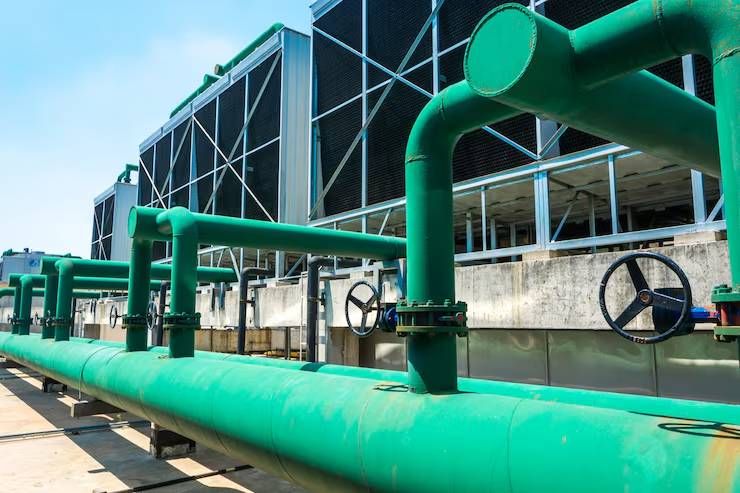
An FGD installation typically includes an absorber or scrubber, reagent preparation equipment, pumps, piping, gas ducts, residue collection equipment and process-control instruments. Larger installations may also incorporate wastewater treatment, gypsum dewatering and automated emissions monitoring.
The system configuration depends on several factors, including:
Flue gas flow rate and temperature
Sulphur dioxide concentration
Required emission-control performance
Available installation space
Water and reagent availability
Residue treatment and disposal requirements
Plant operating conditions and maintenance capabilities
FGD technology is generally integrated with other pollution-control equipment to manage particulate matter and additional pollutants.
How Flue Gas Desulphurisation Systems Work
Most FGD systems bring flue gas into contact with an alkaline reagent that reacts with sulphur dioxide. The resulting compounds are separated from the treated gas as liquid slurry or dry solids, depending on the technology.
A typical process follows these stages.
1. Flue Gas Collection
Exhaust gas from a boiler, furnace or industrial process is directed through ducts into the treatment installation. Gas-conditioning equipment may adjust the temperature or flow before treatment.
2. Reagent Preparation
An alkaline reagent, such as limestone, hydrated lime or a sodium-based compound, is prepared for injection or circulation. Wet systems commonly use a slurry, while dry systems generally use powdered sorbents.
3. Sulphur Dioxide Absorption
The gas enters an absorber, scrubber or duct section where it contacts the reagent. Sulphur dioxide transfers from the gas into the reagent and reacts to form sulphur-containing compounds.
4. Reaction Product Separation
The reaction products are collected as a slurry or dry particulate material. Wet systems may use settling tanks, hydrocyclones or filtration equipment, while dry systems generally use fabric filters or electrostatic precipitators.
5. Treated Gas Discharge
Mist eliminators or particle-collection equipment remove droplets and suspended solids before the treated gas moves downstream.
6. Residue Management
The collected material is processed for potential reuse or managed according to its composition and applicable environmental requirements. Some wet limestone systems produce gypsum under suitable operating conditions.
Major Types of FGD Technologies
FGD systems are commonly classified into wet, semi-dry and dry technologies. Each category offers different operating characteristics, equipment requirements and residue-management arrangements.
1. Wet Flue Gas Desulphurisation Systems
Wet FGD systems use a liquid reagent or alkaline slurry to remove sulphur dioxide from exhaust gas. Limestone and lime are common reagents, although other chemical solutions may be used in specialised applications.
In a typical limestone-based system, limestone is mixed with water and circulated through an absorber tower. Spray nozzles distribute the slurry so that it contacts the rising or flowing flue gas. Sulphur dioxide dissolves into the liquid and reacts with the alkaline material.
With controlled oxidation, the reaction products can form gypsum, which is separated from the slurry using dewatering equipment.
Main characteristics:
High sulphur dioxide removal potential.
Suitable for many large power-generation facilities.
Requires slurry circulation and liquid-handling equipment.
May generate gypsum as a by-product.
Requires attention to corrosion, scaling, wastewater and residue management.
Wet systems are frequently considered for installations with substantial flue gas volumes and stringent emission-control requirements.
2. Semi-Dry Flue Gas Desulphurisation Systems
Semi-dry FGD systems use a limited quantity of liquid to support the reaction between the flue gas and alkaline reagent. A common configuration is the spray dryer absorber.
In this arrangement, a lime slurry is atomised into hot exhaust gas. Water evaporates, while the reagent reacts with sulphur dioxide. The resulting dry particles are collected by a fabric filter or another particulate-control device.
Circulating fluidised-bed scrubbers are another semi-dry approach. These systems promote contact between the exhaust gas, sorbent and recirculated solids.
Main characteristics:
Produces predominantly dry reaction residue.
Usually requires less wastewater handling than wet systems.
Can be suitable for industrial boilers and selected power plants.
Requires careful control of temperature and reagent distribution.
Performance depends on gas conditions, sorbent quality and equipment configuration.
Semi-dry systems may be considered where dry residue handling is preferred and sufficient treatment performance can be achieved.
3. Dry Flue Gas Desulphurisation Systems
Dry FGD systems introduce powdered alkaline sorbent into the furnace, flue-gas duct or a dedicated reaction chamber. Hydrated lime and sodium-based compounds are examples of reagents used in different configurations.
The sorbent reacts with sulphur dioxide as the gas passes through the treatment section. The resulting particles are captured by fabric filters or electrostatic precipitators.
Main characteristics:
Low process-water requirements.
Produces dry residue that can be collected and handled mechanically.
Can be considered for selected industrial applications and retrofit projects.
Often involves simpler liquid-handling arrangements than wet systems.
May require higher reagent consumption depending on the removal target.
Dry sorbent injection can be useful where space, water availability or existing plant configuration limits the use of wet scrubbing equipment.
Comparison of FGD Technologies
Feature | Wet FGD | Semi-Dry FGD | Dry FGD |
|---|---|---|---|
Reagent form | Slurry or liquid solution | Atomised slurry or conditioned solids | Powdered sorbent |
Common reagents | Limestone, lime | Hydrated lime and other suitable sorbents | Hydrated lime, sodium-based sorbents |
Main equipment | Absorber tower, pumps, tanks | Spray dryer or fluidised-bed scrubber | Sorbent feeders, injection equipment |
Residue form | Commonly slurry | Predominantly dry solids | Dry solids |
Water demand | Generally higher | Moderate, depending on design | Generally low |
Typical applications | Large power plants and industrial facilities | Boilers and selected power plants | Industrial boilers and retrofit projects |
Main challenges | Corrosion, scaling and wastewater | Temperature control and dust collection | Sorbent utilisation and reaction time |
Actual performance depends on inlet gas conditions, reagent characteristics, system design and operating practices. The appropriate technology must be selected for the specific installation.
Main Equipment Used in FGD Systems
FGD installations combine mechanical equipment, chemical-processing components and emissions-monitoring systems.
Absorber Towers and Scrubbers
Absorber towers are central components of many wet and semi-dry systems. They create contact between the flue gas and the reagent.
Typical components include spray nozzles, slurry distribution headers, mist eliminators, internal supports, access platforms and inspection openings. The design must accommodate gas flow, reaction time, pressure drop and maintenance access.
Reagent Preparation Systems
Reagent preparation equipment stores, processes and delivers the materials used for sulphur capture.
Limestone-based installations may include crushers, grinding mills, storage silos, slurry tanks, agitators and dosing pumps. Dry systems may use powder silos, pneumatic conveying lines, metering equipment and injection lances.
Industrial Pumps and Valves
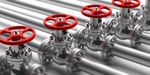
Wet FGD installations require pumps to circulate slurry, transfer process water and supply reagents. Valves regulate flow, isolate equipment and support maintenance operations.
Materials must withstand the operating environment, which can involve abrasive particles, dissolved salts and corrosive liquids. Material selection depends on temperature, chemistry, pressure and expected wear.
Piping and Ductwork
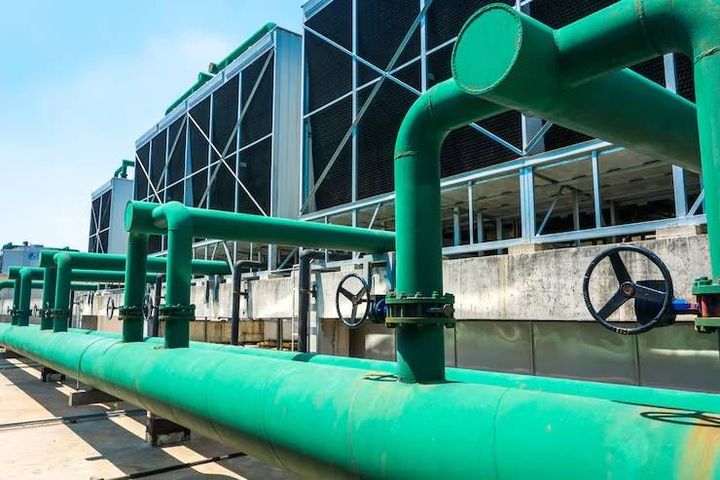
Ducts transport exhaust gas through the treatment stages, while piping carries slurry, water, reagents and other process fluids.
Design considerations include gas velocity, pressure losses, thermal expansion, corrosion protection and accessibility for inspection. Some systems require specialised linings or coatings to protect surfaces exposed to acidic condensate.
Mist Eliminators and Dust Collectors
Mist eliminators remove liquid droplets from treated gas in wet systems. Their function is to limit droplet carryover into downstream ducts and equipment.
Fabric filters and electrostatic precipitators collect reaction products and suspended particles in dry and semi-dry systems. Their selection depends on particle characteristics, gas temperature, pressure drop and the required collection performance.
Oxidation and Dewatering Equipment
Wet limestone systems may use oxidation air equipment to support gypsum formation. The resulting slurry can be processed using hydrocyclones, vacuum belt filters or other separation equipment.
Additional components may include conveyors, storage tanks, residue silos, wastewater treatment units and loading systems.
Instrumentation and Automation
Control systems monitor process conditions such as gas flow, pressure, temperature, slurry pH, reagent feed rate and tank levels.
Automated controls adjust pumps, reagent dosing and other operating parameters. Emissions monitoring instruments may also be incorporated to measure outlet gas conditions and support regulatory reporting.
Manufacturing Processes for FGD Equipment
FGD equipment manufacturing involves engineering design, material selection, metal fabrication, surface protection, component assembly and quality inspection.
1. Engineering Design
The process begins with technical specifications and engineering calculations. Designers evaluate gas flow, sulphur dioxide concentration, operating temperatures, pressure drop, space constraints and required emissions performance.
Engineering documents may include process flow diagrams, mechanical drawings, piping layouts, structural calculations and control-system specifications.
2. Material Selection
Materials are selected according to the conditions in each part of the installation. Wet absorber zones may require corrosion-resistant alloys or protective linings, while ducts and structural components may require abrasion and corrosion protection.
The selection process considers mechanical strength, chemical compatibility, fabrication requirements, expected service life and maintenance needs.
3. Metal Fabrication
Fabrication activities can include cutting, rolling, forming, welding, machining and drilling.
Manufacturers produce absorber shells, tanks, duct sections, pipe assemblies, structural frames, supports and access platforms according to approved drawings. Dimensional inspections and weld examinations help verify manufacturing quality.
4. Surface Treatment and Protective Coatings
Depending on the operating conditions, components may undergo surface blasting, lining application or protective coating processes.
Surface preparation, coating thickness, curing conditions and adhesion are checked according to the specified material system. Correct surface protection is particularly important in areas exposed to moisture, acidic condensate or chemical deposits.
5. Assembly and Integration
Major components are assembled with pumps, motors, valves, piping, instruments and electrical equipment. Control panels and automation systems may be tested before shipment.
Large equipment is sometimes manufactured in modular sections to simplify transportation and installation at the plant.
6. Quality Testing and Commissioning
Testing can include dimensional verification, pressure testing where applicable, leak checks, electrical testing, motor testing and instrument calibration.
After installation, commissioning teams verify reagent preparation, gas flow, equipment interlocks, control sequences and emissions performance. Acceptance testing follows the project specification and applicable regulatory requirements.
Global FGD Manufacturers and Suppliers
The FGD market includes environmental engineering companies, power-generation technology providers and manufacturers of industrial equipment. Some organisations develop complete emissions-control installations, while others specialise in individual components, process engineering or related environmental technologies.
Examples of companies associated with relevant industrial, power-generation or environmental engineering sectors include:
Company | Country of origin | Relevant technology areas |
|---|---|---|
Mitsubishi Heavy Industries | Japan | Power-generation systems and environmental technologies |
Babcock & Wilcox | United States | Boiler technology and emissions-control equipment |
ANDRITZ | Austria | Industrial process equipment and separation technologies |
Doosan Enerbility | South Korea | Power-generation equipment and plant engineering |
Thermax | India | Industrial energy and environmental technologies |
GE Vernova | United States | Power-generation technologies and emissions-control solutions |
Valmet | Finland | Process technologies, automation and environmental applications |
Dürr | Germany | Industrial environmental technology and gas treatment |
Hamon | Belgium | Industrial gas-treatment and environmental-control technologies |
Hitachi Zosen Inova | Switzerland | Environmental engineering and waste-treatment systems |
The companies listed operate across different technology areas, and their involvement in specific FGD projects may vary. Prospective project teams should verify current product portfolios, regional capabilities and experience with the required process configuration.
Industrial Applications of FGD Systems
Coal-Fired Power Plants
Coal combustion can generate substantial sulphur dioxide emissions, depending on the fuel composition and operating conditions.
FGD systems treat boiler exhaust before discharge. Wet limestone-gypsum systems are frequently associated with large power plants, while dry and semi-dry alternatives may be considered for particular plant configurations.
Cement Manufacturing
Cement kilns and associated combustion systems can generate sulphur-containing emissions. The need for FGD or other acid-gas-control technologies depends on fuel composition, raw materials, process conditions and applicable emission limits.
Iron and Steel Production
Steel plants include furnaces, sintering operations and other processes that may release sulphur dioxide. Emissions-control requirements vary according to the production route and the composition of the exhaust gas.
FGD equipment may form part of an integrated treatment system that also controls dust and other pollutants.
Oil Refineries and Petrochemical Plants
Refineries and petrochemical facilities operate boilers, heaters and process units that can generate sulphur-containing exhaust gases.
The treatment method depends on the gas stream and the facility's overall sulphur-management strategy. Some operations may use separate sulphur-recovery or acid-gas-treatment processes rather than conventional FGD equipment.
Pulp and Paper Manufacturing
Certain pulp and paper processes use sulphur-containing chemicals or generate exhaust gases containing sulphur compounds. Treatment technologies are selected according to the process configuration, emissions profile and recovery requirements.
Waste-to-Energy Plants
Waste combustion can produce acid gases, including sulphur dioxide, depending on the waste composition.
FGD technologies can be integrated with particulate filters and other treatment stages to reduce emissions from waste-to-energy installations.
Industrial Boilers
Boilers used in manufacturing plants, institutional facilities and industrial complexes may require sulphur dioxide treatment depending on the fuel and applicable regulations.
Dry sorbent injection, semi-dry scrubbing or wet treatment can be considered according to the boiler's size, gas conditions and emission-control objectives.
Benefits of Flue Gas Desulphurisation Systems
FGD systems provide several environmental and operational benefits when properly designed and maintained.
Sulphur dioxide reduction: Captures sulphur dioxide before it is discharged into the atmosphere.
Emission compliance: Helps facilities meet applicable environmental limits.
Industrial integration: Can be incorporated into new plants or selected existing installations.
Potential by-product recovery: Certain wet systems can produce gypsum suitable for further use when quality requirements are met.
Complementary pollution control: Can operate alongside particulate collection and other exhaust-gas treatment systems.
Process monitoring: Instrumentation provides information that supports operational control and maintenance planning.
Limitations and Operational Challenges
Despite their benefits, FGD installations introduce additional equipment and process requirements.
Reagent Consumption
FGD systems require a continuing supply of suitable reagents. Consumption depends on the sulphur concentration, gas volume, removal target and reagent utilisation.
Water and Wastewater Management
Wet systems require water for slurry preparation and circulation. They may also generate wastewater containing dissolved salts and other contaminants that require treatment.
Corrosion and Scaling
Corrosive conditions and mineral deposits can affect absorber internals, pipes, nozzles and pumps. Material selection, inspection and cleaning are important for long-term reliability.
Residue Handling
Reaction products must be collected, stored, transported and either reused where suitable or disposed of appropriately.
Energy Requirements
Pumps, fans, agitators, conveyors and other equipment consume electricity. System design must balance treatment performance, pressure drop and auxiliary energy use.
Maintenance and Downtime
FGD systems require regular inspections and planned maintenance. Poor maintenance can lead to reduced removal performance, equipment damage or unplanned shutdowns.
Important Factors When Selecting an FGD System
Selecting an appropriate system requires a complete assessment of the plant and its emission-control objectives.
Flue gas composition: Evaluate flow rate, temperature, pressure and sulphur dioxide concentration.
Emission requirements: Establish the required outlet concentration and applicable regulatory limits.
Reagent availability: Assess local supply, material quality, storage needs and handling arrangements.
Water availability: Consider process-water requirements and wastewater treatment capacity.
Available space: Review the plant layout, ductwork, foundations and retrofit constraints.
Residue management: Determine whether gypsum or other residues can be reused or must be disposed of.
Equipment durability: Select materials and components suitable for the chemical and mechanical conditions.
Automation and monitoring: Plan for process control, fault detection and emissions measurement.
Maintenance access: Ensure that critical components can be inspected, cleaned and replaced safely.
A reliable selection process considers the entire installation, including reagent handling, gas distribution, residue collection, utilities and control systems.
Maintenance and Safety Considerations
Routine maintenance helps preserve treatment performance and reduce unplanned equipment failures.
Typical activities include inspecting pumps and valves, checking slurry pipelines, cleaning spray nozzles, monitoring filter pressure drop, examining protective linings and calibrating instruments.
Operators should track reagent consumption, emissions readings, gas-flow conditions and residue characteristics. Changes in pressure drop, increased reagent use or unstable outlet emissions may indicate a process or equipment issue.
Safety procedures should cover chemical handling, confined-space entry, electrical isolation, rotating machinery, hot surfaces and potentially corrosive residues. Maintenance activities must follow approved site procedures and equipment-specific instructions.
Frequently Asked Questions
What does FGD stand for?
FGD stands for flue gas desulphurisation, also spelled flue gas desulfurization. It refers to technologies that remove sulphur dioxide from industrial exhaust gases.
What are the main types of FGD systems?
The main categories are wet, semi-dry and dry FGD systems. They differ in how the reagent contacts the gas, the equipment used and the form of residue produced.
Which chemicals are used in FGD systems?
Common reagents include limestone, lime, hydrated lime and sodium-based sorbents. The selection depends on the process design, gas composition and required treatment performance.
Can FGD systems produce gypsum?
Yes. Wet limestone systems designed for suitable oxidation conditions can produce gypsum as a reaction by-product. Its suitability for reuse depends on its quality and the requirements of the receiving application.
Which industries use FGD equipment?
Major applications include power generation, cement manufacturing, steel production, refineries, petrochemical processing, waste-to-energy plants and industrial boilers.
What equipment is required for an FGD plant?
Depending on the selected technology, equipment can include absorber towers, scrubbers, reagent preparation systems, pumps, valves, ducts, mist eliminators, dust collectors, residue-handling systems and control instruments.
Do all industrial facilities need FGD systems?
No. The requirement depends on the fuel, process, emissions profile and applicable environmental regulations. Some facilities may use alternative sulphur-control or acid-gas-treatment technologies.
How is FGD system performance monitored?
Monitoring can include outlet sulphur dioxide measurements, gas-flow data, reagent feed rates, slurry pH, pressure drop and other process indicators. Specific monitoring requirements depend on the installation and regulatory framework.
Conclusion
Flue gas desulphurisation systems play an important role in controlling sulphur dioxide emissions from power generation and industrial manufacturing. Wet, semi-dry and dry technologies offer different approaches to gas treatment, each with specific equipment requirements and operational considerations.
Choosing the right FGD system requires careful evaluation of gas composition, emission limits, reagent availability, water consumption, equipment durability and residue management. Effective engineering, automated process control and regular maintenance help maintain reliable operation and consistent emissions performance.