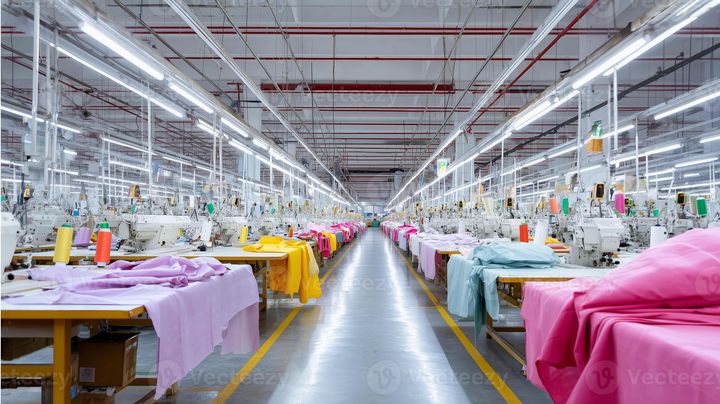
Textile Manufacturing Machines Explained: Tips, Knowledge, and Complete Industry Overview
Textile manufacturing machines are industrial systems designed to convert raw fibers into finished fabrics and textiles used in clothing, home furnishings, automotive interiors, and technical applications. These machines form the backbone of the global textile production ecosystem, enabling large-scale, efficient, and consistent fabric creation.
The development of textile machinery has evolved from manual spinning wheels to highly automated digital systems that integrate robotics, artificial intelligence, and precision engineering. This transformation has made textile production faster, more consistent, and more adaptable to modern material demands.
Context: What Textile Manufacturing Machines Are and Why They Exist
Textile manufacturing machines are used across multiple stages of fabric production. Each stage involves a specialized machine that performs a specific function in the transformation of raw fibers into usable textiles.
Key machine categories include:
- Fiber preparation machines that clean and align raw fibers
- Spinning machines that convert fibers into yarn
- Weaving and knitting machines that form fabric structures
- Dyeing and finishing machines that enhance texture, color, and durability
- Inspection and packaging systems that ensure quality control
These machines exist to standardize production, reduce manual dependency, and meet growing global demand for textiles across fashion, healthcare, industrial, and technical sectors.
The evolution of these systems is closely linked with industrial automation and digital transformation in manufacturing environments.
Importance: Why Textile Machinery Matters Today
Textile manufacturing machines play a critical role in modern industrial production systems. They influence product quality, production speed, and material innovation.
Their importance can be understood through several key points:
- Enable mass production of fabrics with consistent quality
- Support advanced material development like smart fabrics and composites
- Reduce dependency on manual labor-intensive processes
- Improve efficiency in large-scale industrial production
- Enhance precision in weaving patterns and fabric strength
Industries affected include:
- Apparel and fashion manufacturing
- Home textile production such as bedding and upholstery
- Automotive and aerospace textile components
- Medical textiles including surgical materials and protective fabrics
- Technical textiles used in construction and engineering
A simplified view of the production flow:
| Stage | Machine Type | Output |
|---|---|---|
| Fiber Preparation | Carding Machine | Clean fiber web |
| Spinning | Ring Spinning Machine | Yarn |
| Weaving | Loom Machine | Fabric |
| Finishing | Dyeing & Finishing Machine | Treated fabric |
Each stage depends on the previous one, creating a continuous production chain.
Recent Updates and Industry Trends (Past Year Overview)
The textile machinery industry has seen several technological advancements and operational improvements in recent years, especially during 2025 and early 2026.
Key developments include:
1. Automation Expansion (2025)
- Increased use of robotic arms in fabric handling systems
- Smart sensors integrated into weaving machines for defect detection
- AI-based production monitoring systems improving output consistency
2. Digital Textile Printing Growth (2025–2026)
- Higher adoption of inkjet-based fabric printing systems
- Reduced dependency on traditional dyeing methods in some applications
- Improved customization capabilities for complex fabric designs
3. Energy Efficiency Improvements (2025)
- Machines designed with lower energy consumption motors
- Heat recovery systems introduced in dyeing units
- Optimization software reducing machine idle time
4. Smart Manufacturing Integration (2026)
- Industrial IoT platforms connecting multiple machines
- Real-time production data analytics dashboards
- Predictive maintenance systems reducing unexpected downtime
These updates reflect a shift toward Industry 4.0 manufacturing environments where data-driven decision-making is central to production efficiency.
Laws, Standards, and Policy Frameworks
Textile manufacturing machines are influenced by industrial safety standards, environmental regulations, and quality compliance frameworks. These rules vary across regions but share common objectives.
Key regulatory areas include:
- Industrial machine safety standards for operator protection
- Environmental compliance for water usage and chemical discharge
- Energy efficiency requirements for manufacturing systems
- Workplace safety guidelines for industrial environments
- Product quality certifications for textile output consistency
Common global frameworks include:
- ISO standards for machinery safety and quality management
- Environmental management standards focusing on emissions and waste control
- Electrical safety compliance for industrial equipment
- Occupational safety guidelines for factory operations
Manufacturers often design machines to comply with multiple international standards to ensure global usability and regulatory alignment.
Tools and Resources in Textile Manufacturing Technology
Modern textile production relies on both physical machinery and digital tools that support monitoring, design, and optimization.
Common tools and systems include:
Production Monitoring Systems
- Real-time machine tracking dashboards
- Output efficiency measurement tools
- Fault detection software
Design and Simulation Tools
- Fabric pattern simulation software
- Yarn strength testing models
- Digital weaving pattern planners
Maintenance and Diagnostics Tools
- Predictive maintenance platforms
- Sensor-based fault detection systems
- Machine performance analytics dashboards
Educational and Reference Platforms
- Textile engineering learning portals
- Industrial automation documentation libraries
- Machinery specification databases
- Manufacturing process simulation tools
These tools help improve operational accuracy, reduce material waste, and enhance overall production efficiency.
Frequently Asked Questions (FAQs)
What are textile manufacturing machines used for?
They are used to convert raw fibers into yarn, fabric, and finished textile materials through spinning, weaving, dyeing, and finishing processes.
What are the main types of textile machines?
The primary types include spinning machines, weaving machines, knitting machines, dyeing machines, and finishing machines.
How has technology changed textile machinery?
Modern machines now include automation, AI-based monitoring, and IoT connectivity, improving efficiency and precision in production processes.
Why is automation important in textile production?
Automation improves consistency, reduces manual errors, and enables faster production cycles while maintaining quality standards.
What industries use textile machinery output?
Industries such as fashion, automotive, healthcare, construction, and technical engineering rely heavily on textile machine outputs.
Conclusion
Textile manufacturing machines represent a vital part of modern industrial ecosystems, enabling large-scale production of fabrics with improved accuracy and efficiency. With advancements in automation, digital systems, and smart manufacturing technologies, the textile industry continues to evolve toward more sustainable and data-driven operations.
As global demand for specialized textiles increases, machinery innovation will remain central to improving production quality, reducing inefficiencies, and supporting diverse industrial applications.