Space Saving Beds: Guide to Smart and Comfortable Small Space Living
Modern homes are changing quickly. Many people now live in apartments, studio spaces, compact homes, and shared living environments where every square foot matters.
In these smaller living areas, furniture must do more than one task. This is where space saving beds have become an important part of smart interior planning.
A space saving bed is designed to maximize room efficiency while still providing comfort and functionality. These beds help create open living areas during the day and comfortable sleeping arrangements at night. They are commonly used in urban apartments, guest rooms, dorm-style spaces, and multi-purpose family rooms.
Today, innovative designs such as custom wall bed installation, space saving hydraulic storage beds, automated drop down ceiling beds, motorized space saving bed systems, and luxury compact living room furniture are transforming the way people organize their homes. These modern furniture concepts combine comfort, style, and practicality for better small space living.
Understanding the Concept
Space saving beds are furniture solutions created to reduce clutter and improve room functionality. Unlike traditional beds that permanently occupy large areas, these beds are designed to fold, lift, hide, or transform when not in use.
The main idea behind these beds is flexibility. A single room can become a bedroom at night and a workspace or living room during the day. This type of furniture arrangement is especially useful in cities where compact housing is common.
For example, a wall-mounted bed can fold vertically into a cabinet after waking up. During the day, the room becomes available for exercise, work, or social activities. Some designs even include shelves, desks, or sofas connected to the bed structure.
The growing popularity of compact furniture reflects a larger movement toward efficient and organized living spaces. Many homeowners now prefer furniture that improves both comfort and room functionality.
Key Types or Categories
There are several types of space saving beds available for different room sizes and lifestyles.
Wall Beds
Wall beds, often called Murphy beds, fold into a cabinet or wall unit when not in use. They are popular in studio apartments and guest rooms because they create additional floor space during the day.
Custom wall bed installation allows homeowners to create designs that match room dimensions, storage needs, and interior themes.
Storage Beds
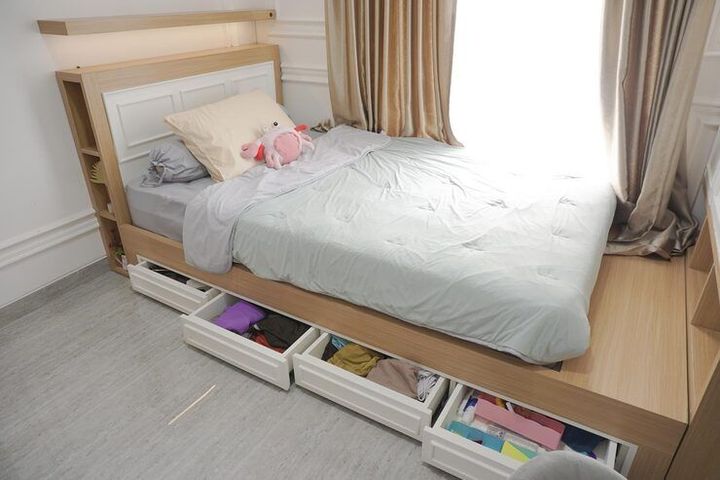
Storage beds include built-in drawers or lifting mechanisms beneath the mattress. These beds help reduce clutter by creating extra storage for blankets, clothing, shoes, or seasonal items.
Space saving hydraulic storage beds are especially practical because hydraulic lifts make accessing the storage area easier and smoother.
Sofa Beds
Sofa beds combine seating and sleeping functions in one piece of furniture. During the day, they work as couches, and at night they convert into beds.
These designs are commonly used in compact living rooms and guest areas.
Loft Beds
Loft beds elevate the sleeping area above the floor to create usable space underneath. The lower area may include a study desk, seating corner, or storage shelves.
This design is frequently used in children's rooms and student housing.
Ceiling Beds
Automated drop down ceiling beds are advanced systems that descend from the ceiling when needed and rise back up afterward. These beds create a clean and open room layout during the day.
Many modern apartments now use this design to improve room flexibility.
Smart Motorized Beds
Motorized space saving bed systems use automated mechanisms for folding, lifting, or sliding operations. Some systems operate through remote controls or smart home integration.
These systems are becoming more common in modern urban housing projects.
How It Works
Space saving beds use different mechanical systems depending on their design and purpose. Most models focus on making room transitions simple and safe.
Here is a basic explanation of how these beds function:
- The bed remains stored, folded, or hidden when not needed.
- The user activates the mechanism manually or electronically.
- The frame smoothly unfolds, lowers, or slides into position.
- Safety locks and balance systems stabilize the structure.
- After use, the bed returns to its original compact position.
Hydraulic systems use controlled pressure to reduce lifting effort. This allows heavy mattress frames to move more easily.
Motorized systems use electric components that automate movement. Some advanced models include sensors and programmable controls for convenience.
For example, in a small city apartment, an automated drop down ceiling bed may lower during nighttime and disappear into the ceiling during the morning. This creates more usable floor space for daytime activities.
Benefits and Advantages
Space saving beds provide several practical advantages for modern living environments.
Better Space Utilization
The biggest advantage is improved room efficiency. Small apartments can feel larger and less crowded when furniture uses space intelligently.
Improved Organization
Storage-based designs reduce clutter by creating hidden storage compartments for household items.
Flexible Room Functions
A single room can support multiple activities throughout the day. A bedroom may transform into a study area, entertainment space, or home office.
Comfortable Living
Modern designs focus heavily on comfort. Many compact beds now support full-size mattresses and ergonomic sleeping positions.
Stylish Interior Design
Luxury compact living room furniture combines modern appearance with functionality. Many designs blend naturally with contemporary home decor.
Helpful for Urban Living
In densely populated cities, compact furniture solutions support practical and comfortable living without requiring larger homes.
Family Convenience
Families with limited room space can create more organized sleeping arrangements for children, guests, or shared rooms.
Real-World Examples or Applications
Space saving beds are now used in many everyday situations.
Studio Apartments
Young professionals living in compact apartments often use wall beds or sofa beds to maintain open living areas during the day.
Guest Rooms
A guest room may function as a study room or hobby space most of the time. A foldable bed allows the room to transform quickly when visitors arrive.
Student Housing
Loft beds help students create space for desks, bookshelves, and storage within smaller rooms.
Vacation Homes
Compact sleeping systems are commonly used in cabins and vacation apartments where room efficiency is important.
Multi-Functional Living Rooms
Some families use motorized space saving bed systems in living rooms to create temporary sleeping areas without permanent furniture arrangements.
Smart Urban Homes
Modern apartments increasingly include automated drop down ceiling beds to maximize flexibility and improve interior aesthetics.
Important Factors to Understand
Before selecting a space saving bed, several important factors should be considered.
Room Dimensions
The room must allow enough clearance for folding, lowering, or extending mechanisms.
Weight Capacity
Each design supports different mattress sizes and weight limits. Choosing the correct structure improves durability and safety.
Ease of Operation
Some systems operate manually while others use motorized controls. Simpler systems may require less maintenance.
Ventilation and Comfort
Proper airflow around the mattress helps maintain comfort and cleanliness.
Material Quality
Strong metal frames, durable hinges, and reliable hydraulic systems improve long-term performance.
Safety Features
Locking systems, balance control, and stable mounting structures are essential for secure operation.
Interior Compatibility
Furniture should match the overall room design. Many homeowners now prefer luxury compact living room furniture that combines elegance with practical functionality.
Future Trends and Industry Insights
The future of space saving beds continues to evolve with changing housing patterns and smart living technologies.
One growing trend is smart automation. Motorized space saving bed systems are becoming more advanced through wireless controls and smart home integration. Some systems can synchronize with lighting and climate settings for improved convenience.
Another important trend is modular furniture design. Manufacturers are creating furniture pieces that combine beds, desks, shelves, and seating into unified structures.
Sustainability is also influencing furniture design. Many modern compact beds now use environmentally conscious materials and durable construction methods that support longer product life cycles.
Urban housing development continues to encourage innovation in compact furniture solutions. Architects and interior planners increasingly integrate custom wall bed installation into apartment layouts during the design stage rather than adding them later.
Advanced ceiling systems are also expected to become more common. Automated drop down ceiling beds may become a regular feature in highly compact residential spaces where maximizing open floor area is essential.
As living spaces continue to become more flexible, compact furniture solutions will likely remain an important part of modern home design.
Conclusion
Space saving beds have become valuable furniture solutions for modern homes where room efficiency and comfort are equally important. These beds help transform small living spaces into organized, functional, and comfortable environments.
From space saving hydraulic storage beds to automated drop down ceiling beds, modern designs continue to improve convenience and flexibility for daily living. Features such as custom wall bed installation and motorized space saving bed systems demonstrate how innovative furniture can support practical lifestyles without sacrificing comfort or style.
As urban living continues to evolve, smart compact furniture will likely play an even larger role in interior design. With thoughtful planning and the right furniture arrangement, even smaller homes can feel spacious, organized, and welcoming.