Smart Door Locks: Features, Benefits & Security Guide
Home security has evolved significantly with the growth of connected technology.
Traditional mechanical locks are now being complemented by intelligent access systems that provide greater convenience, improved control, and enhanced monitoring. Smart Door Locks are becoming increasingly popular in homes, apartments, offices, and rental properties because they simplify access while supporting modern security needs.
These advanced locking systems allow users to manage entry through smartphones, keypads, biometric authentication, or digital credentials. This guide explains how Smart Door Locks work, their key features, applications, advantages, important considerations, and future developments.
What Are Smart Door Locks?
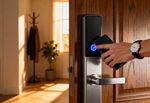
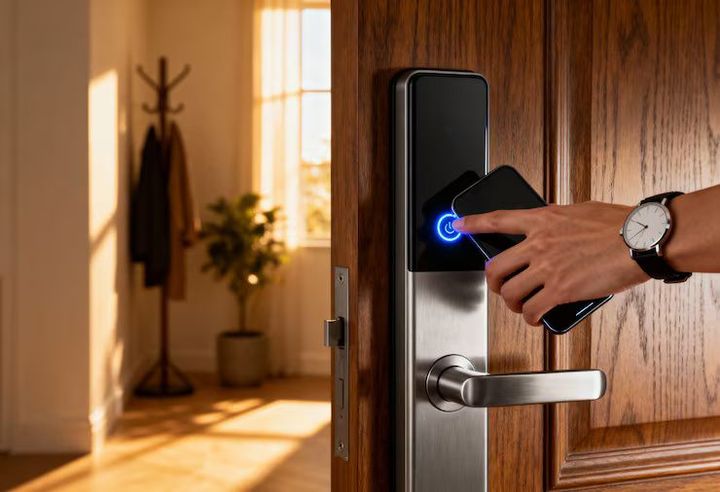
Smart Door Locks are electronic locking systems that use digital technology instead of relying only on traditional keys. They connect with mobile devices, wireless networks, or smart home platforms, allowing authorized users to lock, unlock, and monitor doors remotely or locally.
Many models support multiple authentication methods, making access more flexible while maintaining strong security standards. Depending on the design, smart locks can be installed on residential, commercial, or hospitality properties.
Why Smart Door Locks Are Important
Modern lifestyles often require greater flexibility in managing property access. Traditional keys can be misplaced, duplicated, or forgotten, making digital access solutions increasingly attractive.
Smart Door Locks provide convenient access management by allowing users to grant temporary or permanent entry permissions without exchanging physical keys. They also improve visibility by recording entry activity, making it easier to monitor who enters and exits a property.
As smart home technology continues to expand, these locks have become an important part of connected security systems.
How Smart Door Locks Work
Smart Door Locks combine electronic hardware with wireless communication and digital authentication.
When an authorized user requests access through a smartphone application, keypad code, fingerprint scanner, or digital credential, the lock verifies the identity before activating the locking mechanism.
Many systems communicate through Bluetooth, Wi-Fi, Zigbee, or Z-Wave technologies, allowing users to monitor lock status, receive notifications, and manage access remotely. Some models also include backup key access for additional reliability.
Key Features
Modern Smart Door Locks include a variety of security and convenience features.
Common features include:
- Smartphone control
- Remote locking and unlocking
- Fingerprint authentication
- PIN code access
- Temporary digital access codes
- Activity history
- Auto-lock functionality
- Smart home integration
- Battery status notifications
- Emergency backup access
The combination of these features provides greater flexibility while improving access management.
Common Applications
Smart Door Locks are used across many environments where secure and convenient access is important.
Residential homes use smart locks to simplify family access and improve home security.
Apartment buildings often integrate digital access systems to manage residents and visitors more efficiently.
Hotels and vacation properties use electronic access credentials to simplify guest check-in and improve property management.
Commercial offices benefit from controlled employee access, visitor management, and detailed entry records.
Educational institutions, healthcare facilities, and retail locations also use smart locking systems to secure restricted areas while maintaining efficient access control.
Benefits of Smart Door Locks
One of the biggest advantages of Smart Door Locks is convenience. Users can manage access without carrying multiple physical keys and can grant temporary access to family members, guests, or maintenance personnel when needed.
Another important benefit is improved security awareness. Many systems provide instant notifications whenever doors are locked, unlocked, or left open, allowing property owners to monitor activity in real time.
Digital access records also help improve accountability by maintaining a history of entry events. Integration with smart home systems further enhances automation, allowing locks to work alongside security cameras, lighting systems, and alarm devices.
Important Considerations
Before choosing a Smart Door Lock, several factors should be evaluated.
These include:
- Door compatibility
- Power source and battery life
- Connectivity options
- Mobile application features
- Security encryption
- Backup entry methods
- Weather resistance
- Smart home compatibility
Selecting a lock that matches both the property's requirements and the existing smart home ecosystem helps ensure reliable long-term performance.
Future Trends
Smart Door Lock technology continues to evolve through advances in artificial intelligence, biometric authentication, and connected home automation.
Facial recognition, voice authentication, ultra-wideband technology, and cloud-based access management are becoming increasingly common. Artificial intelligence is also improving threat detection and access monitoring, while integration with broader smart building platforms continues to expand.
As connected homes become more widespread, smart locks are expected to play an even greater role in digital security and property management.
Frequently Asked Questions
What are Smart Door Locks?
Smart Door Locks are electronic locking systems that use digital authentication methods such as smartphones, fingerprints, keypads, or wireless credentials to control access.
Where are Smart Door Locks commonly used?
They are widely used in homes, apartments, offices, hotels, educational institutions, healthcare facilities, and commercial buildings.
Do Smart Door Locks work without traditional keys?
Many models support completely digital access, while others include mechanical backup keys for emergency situations.
Can Smart Door Locks connect with smart home systems?
Yes. Many devices integrate with smart home platforms, allowing coordinated control alongside lighting, cameras, alarms, and other connected devices.
What technologies are shaping Smart Door Locks?
Artificial intelligence, biometric authentication, cloud connectivity, mobile applications, wireless communication, and smart home integration continue driving innovation in digital access systems.
Conclusion
Smart Door Locks are transforming property security by combining digital access, wireless communication, and intelligent monitoring into a convenient access management solution. Their flexibility, security features, and compatibility with connected home technologies make them valuable for residential and commercial properties alike.
As smart technology continues advancing, Smart Door Locks will remain an important part of modern security systems, helping property owners manage access more efficiently while supporting safer and more connected environments.