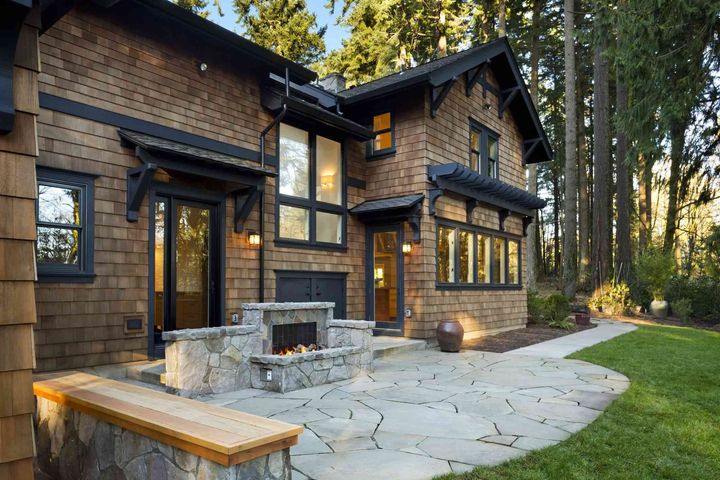
Siding Replacement Options: Complete Exterior Home Guide
The exterior of a home protects it from changing weather while shaping its overall appearance and long-term durability.
Over time, siding may show signs of wear due to moisture, sunlight, temperature changes, and everyday exposure to the elements. Understanding different Siding Replacement Options helps homeowners choose materials that improve protection, energy efficiency, and curb appeal while matching the architectural style of their property.
Modern siding materials are available in a wide range of designs, colors, and textures. From vinyl siding and fiber cement siding to engineered wood and metal panels, today's options combine attractive finishes with improved durability and weather resistance. This guide explains the most common siding replacement materials, their features, applications, benefits, and future innovations.
What Are Siding Replacement Options?
Siding Replacement Options refer to the various exterior cladding materials available when updating a home's outside walls. These materials protect the building from rain, wind, sunlight, and moisture while contributing to insulation and visual appeal.
Modern siding products are designed to withstand harsh environmental conditions while requiring less maintenance than many traditional materials. Homeowners can select different siding solutions based on climate, appearance, durability, and long-term performance.
Why Siding Replacement Matters
Exterior siding is one of the first parts of a home exposed to changing weather conditions. As siding ages, it may lose its protective qualities, making regular evaluation important for maintaining the building envelope.
Many homeowners consider home siding replacement to improve weather protection, increase energy efficiency, modernize exterior appearance, and support long-term property maintenance. Industry reports indicate that durable exterior materials continue gaining popularity as homeowners focus on sustainability and building performance.
Modern siding also contributes to improved insulation, helping maintain comfortable indoor temperatures throughout the year.
Popular Siding Replacement Options
Several siding materials are widely used in residential construction and renovation.
Vinyl Siding
Vinyl siding remains one of the most popular choices because of its durability, weather resistance, and wide selection of colors and textures. It is suitable for many architectural styles and performs well in different climates.
Fiber Cement Siding
Fiber cement siding combines cement, sand, and reinforcing fibers to create a durable exterior material that resists moisture, insects, and fire. It is commonly chosen for its strength and long service life.
Engineered Wood Siding
Engineered wood siding provides the appearance of natural wood while improving resistance to moisture and environmental exposure through advanced manufacturing techniques.
Natural Wood Siding
Wood siding offers timeless character and natural beauty. Cedar, pine, and redwood remain popular choices for traditional homes and rustic architectural designs.
Metal Siding
Aluminum and steel siding provide exceptional durability, modern aesthetics, and resistance to corrosion, making them suitable for contemporary homes and challenging climates.
Composite Siding
Composite siding combines different materials to create lightweight, durable panels that provide excellent weather resistance and attractive finishes.
Key Features of Modern Siding Materials
Modern siding products include several features that improve long-term performance.
Common features include:
- Weather resistant siding
- Energy efficient siding
- Insulated siding panels
- Fiber cement siding
- Vinyl siding systems
- Engineered wood siding
- Moisture resistant materials
- Fade resistant finishes
- Low maintenance exterior materials
- Sustainable building materials
These features help protect homes while improving appearance and reducing maintenance requirements.
Applications Across Residential Properties
Different siding materials suit different home styles.
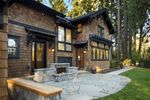
Traditional homes often use natural wood siding or fiber cement siding that complements classic architectural details.
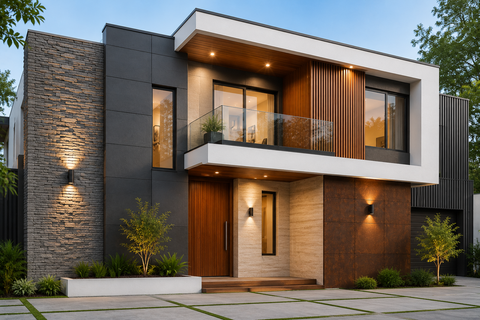
Contemporary homes frequently incorporate metal siding, composite panels, or smooth fiber cement finishes for a modern appearance.
Coastal properties benefit from moisture-resistant materials that perform well in humid environments, while colder regions often use insulated siding panels that support improved thermal performance.
Large renovation projects may combine multiple siding materials to create architectural contrast and visual interest.
Benefits of Modern Siding Replacement
Improved Weather Protection
Modern siding materials create a durable barrier against rain, wind, and changing temperatures while helping protect the structural components of the home.
Better Energy Efficiency
Energy efficient siding and insulated siding panels help reduce unwanted heat transfer, contributing to a more comfortable indoor environment.
Enhanced Exterior Appearance
A new siding system can refresh the overall appearance of a property while complementing different architectural styles through a variety of colors and textures.
Greater Durability
Advanced manufacturing techniques have improved the resistance of siding materials to moisture, fading, insects, and environmental exposure.
Lower Maintenance
Many modern siding products require only periodic cleaning and routine inspections to maintain their appearance and performance.
Important Considerations Before Choosing Siding
Every property has unique requirements. Before selecting siding materials, homeowners should evaluate:
- Local climate conditions.
- Architectural style.
- Material durability.
- Moisture resistance.
- Insulation performance.
- Long-term maintenance needs.
Careful planning helps ensure the selected siding performs well for many years.
Future Trends
Exterior building materials continue evolving through innovation. Manufacturers are developing sustainable siding products made from recycled materials, improved insulated siding systems, and environmentally responsible manufacturing processes.
Digital design tools allow homeowners to visualize different siding combinations before installation, while advanced coatings improve resistance to fading, moisture, and environmental wear. These innovations continue supporting more durable and energy-efficient residential construction.
Frequently Asked Questions
What are Siding Replacement Options?
They include various exterior cladding materials such as vinyl, fiber cement, wood, metal, engineered wood, and composite siding used to protect and enhance residential buildings.
Which siding materials are most popular?
Vinyl siding, fiber cement siding, engineered wood siding, and composite siding are among today's most widely used residential exterior materials.
Why is insulated siding important?
Insulated siding improves thermal performance by helping reduce heat transfer, contributing to better indoor comfort and overall energy efficiency.
Which siding works well in humid climates?
Fiber cement, vinyl, composite, and certain metal siding materials are commonly selected because they perform well under high-moisture conditions.
How is siding technology improving?
Modern siding products feature improved weather resistance, advanced protective coatings, sustainable materials, better insulation, and enhanced durability for long-term residential performance.
Conclusion
Choosing the right Siding Replacement Options helps improve a home's appearance, weather protection, and overall durability. With materials ranging from vinyl siding and fiber cement siding to engineered wood and composite panels, homeowners have numerous choices that match different climates and architectural styles.
As exterior construction technology continues advancing, modern siding systems provide stronger weather resistance, improved insulation, and sustainable materials that support long-term residential performance while enhancing curb appeal.