Modern House Facade Materials: Overview, Types & Design Insights
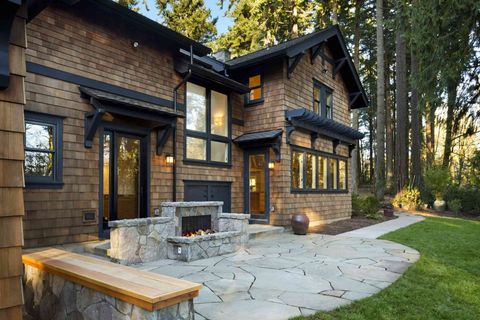
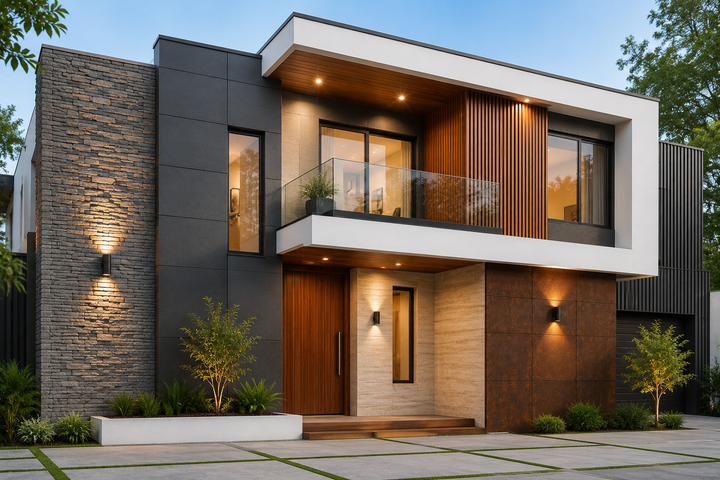
Modern house facade materials play a major role in defining the appearance, durability, and performance of residential buildings.
A home's facade is the exterior face that creates the first visual impression while also protecting the structure from weather, temperature changes, and environmental conditions.
As contemporary architecture continues to evolve, homeowners and designers are exploring innovative facade materials that combine aesthetics, energy efficiency, sustainability, and long-term durability. From natural stone and brick to metal panels, fiber cement, and engineered composites, modern facades offer a wide range of design possibilities.
Understanding facade materials is important because the right selection can influence maintenance requirements, thermal performance, building lifespan, and architectural character. Whether designing a new residence or renovating an existing property, knowledge of facade materials helps support informed decisions that balance beauty and functionality.
Quick Overview
| Aspect | Details |
|---|---|
| Purpose | Protects and enhances building exterior |
| Main Functions | Weather resistance, insulation, aesthetics |
| Common Materials | Brick, stone, wood, metal, glass, fiber cement |
| Key Benefits | Durability, energy efficiency, visual appeal |
| Design Styles | Contemporary, minimalist, industrial, traditional-modern |
| Maintenance Needs | Varies by material type |
| Sustainability | Many modern options support eco-friendly construction |
Key Benefits
- Improves curb appeal
- Enhances thermal performance
- Increases durability
- Supports architectural identity
- Protects structural components
- Contributes to energy efficiency
Industry Overview
The building envelope and facade industry has experienced significant innovation over the past two decades. Advances in materials science, manufacturing techniques, and sustainable construction practices have transformed how residential exteriors are designed.
Modern facades are no longer focused solely on appearance. Today's materials are selected based on multiple performance factors including:
- Energy conservation
- Moisture control
- Fire resistance
- Structural performance
- Environmental impact
- Longevity
Architects increasingly integrate facade systems into broader building performance strategies, making them essential components of modern residential construction.
How Modern House Facade Materials Work
A facade system functions as the protective outer layer of a building.
Step 1: Weather Protection
The facade shields the structure from rain, wind, sunlight, and environmental exposure.
Step 2: Thermal Regulation
Many materials help reduce heat transfer and improve indoor comfort.
Step 3: Moisture Management
Properly designed facades prevent water infiltration and minimize damage.
Step 4: Structural Protection
The exterior layer protects underlying walls and construction materials.
Step 5: Visual Enhancement
Facade materials establish the architectural style and character of the property.
Main Types of Modern House Facade Materials
1. Natural Stone Facades
Natural stone remains a premium facade material valued for its durability and timeless appearance.
Features
- Natural texture
- High strength
- Long lifespan
- Weather resistance
Applications
- Luxury residences
- Contemporary villas
- Accent walls
Advantages
- Exceptional durability
- Minimal aging effects
- Strong visual appeal
Limitations
- Higher installation complexity
- Greater structural weight
2. Brick Facades
Brick continues to be widely used in residential architecture.
Features
- Traditional appearance
- Excellent durability
- Fire resistance
Applications
- Urban homes
- Suburban residences
- Mixed-style architecture
Advantages
- Long service life
- Low maintenance
- Strong insulation properties
Limitations
- Limited design flexibility compared to panel systems
3. Wood Cladding
Wood introduces warmth and natural character to modern homes.
Features
- Natural appearance
- Lightweight
- Renewable material
Applications
- Contemporary houses
- Eco-conscious projects
Advantages
- Attractive aesthetics
- Sustainable sourcing options
Limitations
- Requires ongoing maintenance
- Vulnerable to moisture if untreated
4. Metal Facades
Metal panels have become increasingly popular in modern architecture.
Features
- Sleek appearance
- Lightweight construction
- Modern design flexibility
Applications
- Contemporary residences
- Industrial-inspired homes
Advantages
- Durable
- Recyclable
- Minimal maintenance
Limitations
- Potential heat absorption
- Higher material investment
5. Fiber Cement Panels
Fiber cement combines durability with design versatility.
Features
- Cement-based composition
- Weather resistance
- Various finishes
Applications
- Modern housing developments
- Urban residential projects
Advantages
- Fire resistant
- Low maintenance
- Durable
Limitations
- Professional installation often required
6. Glass Facades
Glass facades create open, contemporary aesthetics.
Features
- Transparency
- Natural light enhancement
- Modern appearance
Applications
- Luxury homes
- Contemporary architecture
Advantages
- Bright interiors
- Strong visual connection with surroundings
Limitations
- Privacy considerations
- Thermal performance challenges without advanced glazing
7. Composite Facade Materials
Engineered composite systems combine multiple material properties.
Features
- Lightweight
- Durable
- Flexible design options
Applications
- Modern residential developments
Advantages
- Reduced maintenance
- Consistent appearance
Limitations
- Performance varies by manufacturer and composition
Core Components of a Modern Facade System
A complete facade system typically includes:
Exterior Cladding
The visible outer material.
Insulation Layer
Improves energy efficiency and thermal performance.
Moisture Barrier
Prevents water infiltration.
Ventilation Cavity
Supports moisture management and airflow.
Structural Support System
Provides attachment and stability.
Sealants and Joints
Allow movement while maintaining weather resistance.
Comparison Table of Popular Facade Materials
| Material | Durability | Maintenance | Design Flexibility | Sustainability |
|---|---|---|---|---|
| Natural Stone | Very High | Low | Medium | High |
| Brick | High | Low | Medium | Medium |
| Wood | Medium | High | High | High |
| Metal Panels | High | Low | High | High |
| Fiber Cement | High | Low | High | Medium |
| Glass | Medium | Medium | High | Medium |
| Composite Panels | High | Low | Very High | Medium |
Real-World Applications
Residential Homes
Modern facades create distinctive architectural identities while improving building performance.
Multi-Family Housing
Apartment complexes frequently utilize fiber cement, metal panels, and brick combinations.
Luxury Villas
Natural stone, glass, and premium composite materials are often integrated for visual impact.
Sustainable Housing Projects
Wood cladding and energy-efficient facade systems support environmental objectives.
Smart Homes
Advanced facade materials contribute to energy management and indoor comfort.
Real-World Examples
Contemporary Urban Residence
An architect may combine fiber cement panels with wood accents to achieve a balanced modern appearance.
Minimalist Luxury Home
Large glass sections paired with stone elements create openness and sophistication.
Sustainable Residential Development
Builders often integrate ventilated facade systems and sustainable cladding materials to improve energy performance.
Coastal Residence
Metal and composite materials are frequently selected due to their resistance to moisture and environmental exposure.
Key Features of Modern Facade Materials
Weather Resistance
Protection from rain, wind, UV radiation, and temperature fluctuations.
Thermal Efficiency
Supports energy-conscious building design.
Design Versatility
Available in numerous textures, finishes, and colors.
Durability
Designed to withstand long-term environmental exposure.
Sustainability
Many products incorporate recyclable or responsibly sourced materials.
Fire Performance
Several modern facade materials provide enhanced fire resistance.
Benefits
Operational Benefits
- Reduced maintenance requirements
- Improved building protection
- Enhanced structural longevity
Performance Benefits
- Better thermal regulation
- Improved moisture control
- Increased weather resistance
Efficiency Benefits
- Lower energy consumption
- Enhanced insulation performance
User Benefits
- Attractive exterior appearance
- Improved comfort
- Increased property appeal
Long-Term Advantages
- Extended building lifespan
- Reduced renovation frequency
- Consistent architectural value
Challenges and Limitations
Material Costs
Some premium facade materials require significant investment.
Installation Complexity
Advanced facade systems often need specialized expertise.
Climate Considerations
Material suitability varies by region and environmental conditions.
Maintenance Requirements
Certain materials require regular treatment or inspection.
Design Compatibility
Not every material complements every architectural style.
Selection Factors
Before selecting a facade material, evaluate:
- Climate conditions
- Building design goals
- Maintenance expectations
- Durability requirements
- Energy efficiency objectives
- Sustainability priorities
- Fire performance considerations
- Installation complexity
- Structural requirements
- Long-term lifecycle performance
Standards, Regulations, and Best Practices
Important considerations often include:
- Local building codes
- Fire safety regulations
- Energy efficiency standards
- Moisture management guidelines
- Structural safety requirements
- Environmental sustainability frameworks
Best practices include:
- Using certified materials
- Following manufacturer guidelines
- Conducting periodic inspections
- Ensuring proper installation
Maintenance, Management, and Optimization
Regular Inspection
Check for cracks, moisture issues, and material deterioration.
Cleaning
Use recommended cleaning methods appropriate for each material.
Joint Maintenance
Inspect sealants and expansion joints regularly.
Moisture Control
Maintain drainage systems and ventilation gaps.
Performance Monitoring
Evaluate thermal and weather performance over time.
Emerging Technologies and Innovations
Smart Building Materials
Materials capable of improving energy performance and environmental responsiveness.
Advanced Coatings
Protective coatings improve durability and weather resistance.
Prefabricated Facade Systems
Factory-manufactured components increase installation consistency.
Sustainable Material Engineering
Development of low-impact and recyclable facade materials continues to expand.
Digital Design Technologies
Building Information Modeling (BIM) supports accurate facade planning and coordination.
Future Trends
Increased Sustainability Focus
Eco-conscious materials are expected to gain wider adoption.
Energy-Efficient Building Envelopes
Facades will increasingly support energy conservation objectives.
Integrated Smart Technologies
Building exteriors may incorporate sensors and monitoring capabilities.
Modular Construction Compatibility
Facade systems designed for prefabricated construction will continue growing.
Improved Material Performance
Ongoing research aims to enhance durability, insulation, and environmental performance.
Expert Insights
Modern house facade materials have evolved from purely decorative elements into high-performance building systems. Today, architects evaluate materials based on appearance, sustainability, durability, energy efficiency, and lifecycle value. As residential construction increasingly prioritizes environmental responsibility and long-term performance, facade technologies will continue to play a central role in architectural innovation.
Frequently Asked Questions
1. What are modern house facade materials?
They are exterior cladding and finishing materials used to protect and enhance residential buildings.
2. Which facade material is most durable?
Natural stone, brick, and certain metal systems are generally among the most durable options.
3. Are facade materials important for energy efficiency?
Yes. Many facade systems contribute to insulation and thermal performance.
4. What is fiber cement cladding?
It is a durable composite material made primarily from cement and reinforcing fibers.
5. Is wood suitable for modern facades?
Yes, when properly treated and maintained.
6. Why are metal facades popular?
They provide contemporary aesthetics, durability, and design flexibility.
7. What factors influence facade selection?
Climate, maintenance, appearance, durability, sustainability, and performance requirements.
8. Do glass facades improve natural lighting?
Yes. Glass allows greater daylight penetration into interior spaces.
9. What is a ventilated facade?
A facade system that includes an air cavity to improve moisture management and thermal performance.
10. Are composite materials used in residential facades?
Yes. Many modern homes utilize engineered composite cladding systems.
11. How often should facades be inspected?
Annual inspections are generally recommended.
12. Are sustainable facade materials available?
Yes. Wood, recycled metal, and environmentally engineered materials are common options.
13. Can facade materials affect property value?
Exterior appearance and durability often influence overall property perception.
14. What is facade cladding?
The protective outer layer attached to a building's exterior structure.
15. Why are modern facade systems evolving?
To improve sustainability, energy efficiency, durability, and design flexibility.
Key Takeaways
- Modern facades combine aesthetics and building performance.
- Material selection affects durability and maintenance.
- Natural stone offers exceptional longevity.
- Brick remains a widely trusted facade option.
- Wood provides natural visual warmth.
- Metal panels support contemporary architecture.
- Fiber cement delivers durability with design flexibility.
- Glass enhances natural lighting and openness.
- Sustainable materials continue gaining importance.
- Energy efficiency increasingly influences facade design decisions.
- Proper installation significantly impacts long-term performance.
- Future facade systems will integrate advanced technologies.
Conclusion
Modern house facade materials are essential components of contemporary residential design. Beyond visual appeal, they contribute to weather protection, thermal performance, sustainability, and long-term building durability. With options ranging from natural stone and brick to advanced composites and metal systems, homeowners and architects have more choices than ever before. As construction technologies continue to advance, facade materials will remain a key factor in creating attractive, efficient, and resilient homes.