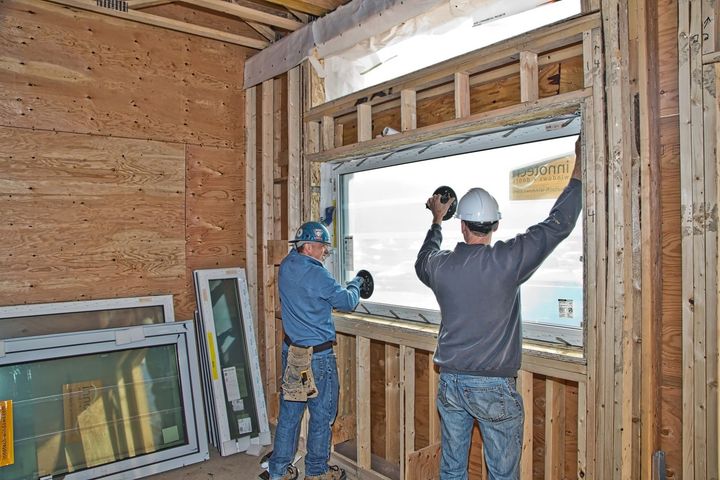
Window Installation: Complete Guide to Modern Home Windows
Windows are an essential part of every building, providing natural light, ventilation, insulation, and a connection to the outdoors.
Whether constructing a new home or upgrading an existing property, proper Window Installation plays a significant role in improving comfort, energy efficiency, and long-term building performance. A correctly installed window helps maintain indoor temperatures, reduces air leakage, and supports the overall durability of the building envelope.
Modern window systems are available in a variety of styles, frame materials, and glazing technologies. From energy efficient windows and insulated glass to custom window designs, today's installation methods focus on improving thermal performance, weather resistance, and indoor comfort. This guide explains how window installation works, common window types, installation methods, key considerations, and future innovations.
What Is Window Installation?
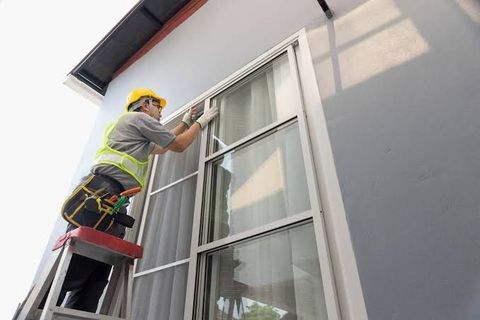
Window Installation is the process of fitting a new window into a building opening while ensuring proper alignment, structural support, insulation, and weather protection. The process involves preparing the opening, positioning the window, securing the frame, sealing gaps, and completing interior and exterior finishing work.
A properly installed window not only improves appearance but also enhances durability, thermal insulation, and moisture protection.
Why Window Installation Is Important
A window performs best when it is installed correctly. Even high-quality replacement windows may not achieve their intended performance if gaps, poor alignment, or inadequate sealing are present.
Proper installation helps improve home energy efficiency, reduce drafts, limit moisture intrusion, and increase the lifespan of the window system. Industry reports indicate that homeowners increasingly prioritize energy efficient windows and modern installation techniques when renovating residential properties.
Well-installed windows also contribute to improved indoor comfort by reducing outdoor noise and maintaining consistent interior temperatures throughout the year.
How Window Installation Works
Although installation methods vary depending on the building and window type, the overall process follows a logical sequence.
Opening Preparation
The existing opening is inspected to ensure it is clean, level, and structurally sound before the new window is positioned.
Window Positioning
The new window frame is carefully placed into the opening and adjusted until it is square, level, and properly aligned.
Securing the Frame
The frame is fastened according to the manufacturer's installation recommendations while maintaining proper spacing and alignment.
Insulation and Sealing
Insulation materials and weather-resistant sealants are applied around the frame to reduce air leakage and improve thermal insulation.
Final Inspection
The completed installation is checked to verify smooth operation, proper sealing, secure locking mechanisms, and overall appearance.
Common Types of Windows
Modern homes use a variety of window styles based on architectural design and ventilation needs.
Double-Hung Windows
These windows feature two movable sashes that provide flexible ventilation and easy cleaning.
Casement Windows
Casement windows open outward using hinges, providing excellent airflow and clear outdoor views.
Sliding Windows
Sliding windows move horizontally and are commonly used where space is limited.
Picture Windows
Picture windows remain fixed and maximize natural light while offering unobstructed views.
Awning Windows
Awning windows open outward from the bottom, allowing ventilation even during light rainfall.
Bay and Bow Windows
These larger window systems extend outward from the building, creating additional interior space and wider panoramic views.
Key Features of Modern Window Systems
Modern windows incorporate technologies that improve both performance and appearance.
Important features include:
- Energy efficient windows
- Double pane windows
- Triple pane windows
- Low-E glass windows
- Insulated glass windows
- Vinyl windows
- Fiberglass windows
- Aluminum windows
- Weather resistant windows
- Soundproof windows
- Custom window designs
- Thermal insulation technology
These features help improve comfort while supporting better building efficiency.
Applications Across Residential Properties
Window installation is suitable for many types of homes.
Single-family homes often combine picture windows, casement windows, and double-hung windows to balance ventilation and natural light.
Apartments frequently use sliding windows that maximize usable interior space.
Modern custom homes may include large energy efficient windows that increase daylight while maintaining excellent insulation.
Historic homes often require window designs that preserve traditional architectural character while incorporating modern glazing technology.
Benefits of Proper Window Installation
Improved Energy Efficiency
Correct installation minimizes air leakage and supports better thermal insulation throughout the home.
Greater Indoor Comfort
Modern window systems help maintain stable indoor temperatures while reducing unwanted outdoor noise.
Better Weather Protection
Proper sealing protects against moisture intrusion, wind, and changing weather conditions.
Enhanced Appearance
New windows improve both interior aesthetics and exterior curb appeal by complementing the building's architectural style.
Long-Term Durability
Accurate installation reduces unnecessary stress on frames, glass, and hardware, supporting reliable long-term performance.
Important Considerations
Successful window installation depends on careful planning.
Before beginning a project, homeowners should evaluate:
- Window style.
- Frame material.
- Climate conditions.
- Glass technology.
- Building design.
- Long-term maintenance requirements.
Considering these factors helps ensure the selected windows perform well under local environmental conditions.
Future Trends
Window technology continues advancing through innovation. Smart glass capable of adjusting light transmission, recyclable frame materials, and advanced insulation technologies are becoming increasingly common.
Digital measurement systems and precision manufacturing are also improving installation accuracy, while sustainable building materials continue supporting environmentally responsible construction practices.
Frequently Asked Questions
What is Window Installation?
Window Installation is the process of fitting new windows into a building while ensuring structural support, insulation, alignment, and weather protection.
Which window styles are most common?
Double-hung, casement, sliding, picture, awning, and bay windows are among the most widely used residential window styles.
Why is proper sealing important?
Proper sealing helps reduce drafts, moisture intrusion, and heat transfer while improving energy efficiency and indoor comfort.
What are Low-E glass windows?
Low-E glass includes a specialized coating that improves thermal performance by reducing unwanted heat transfer while allowing natural daylight to enter.
How are modern windows improving?
Manufacturers continue developing smart glass, improved insulation technologies, recyclable materials, and larger energy efficient window systems.
Conclusion
Proper Window Installation is essential for improving comfort, durability, and building performance. By selecting suitable window styles, advanced glazing technologies, and quality frame materials, homeowners can create brighter, quieter, and more energy-efficient living spaces.
As window technology continues evolving, innovations such as smart glass, sustainable materials, and enhanced insulation systems will continue improving residential construction while supporting long-term building performance.