Recycling Machinery Manufacturing Explained: Waste Processing Systems & Sustainable Industrial Solutions
Recycling machinery manufacturing involves the design and production of industrial equipment used to collect, separate, process, and prepare waste materials for reuse. These machines are widely used in recycling plants, waste management facilities, manufacturing industries, and material recovery centers.
Recycling systems help process materials such as plastic, metal, paper, glass, rubber, electronic waste, and construction debris into reusable industrial resources. The growth of recycling machinery manufacturing is closely connected to increasing industrial waste generation, urban development, and environmental management efforts.
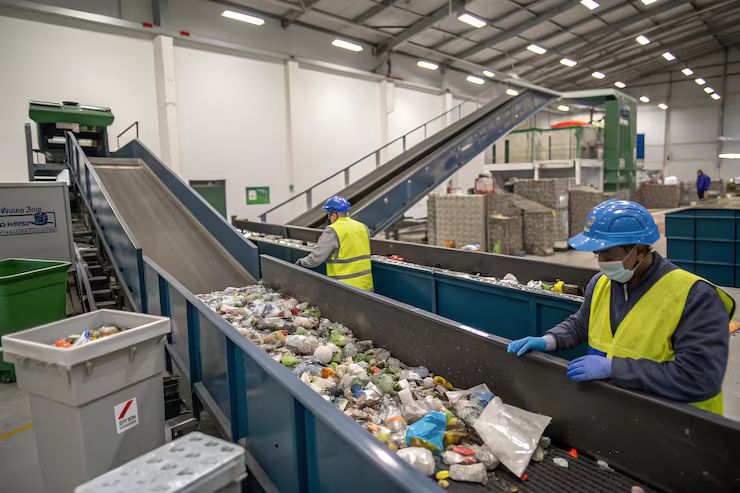
Earlier recycling activities often depended on manual sorting and basic crushing equipment, while modern waste processing systems now use automated sorting technologies, sensors, robotics, and digital monitoring systems. These developments help industries handle larger waste volumes and improve material recovery processes.
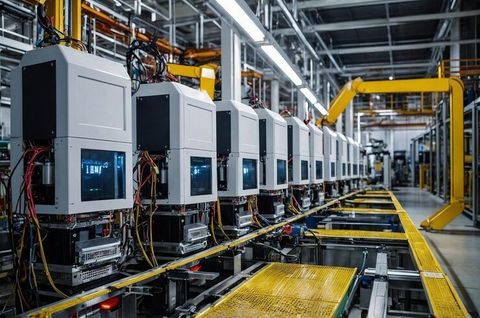
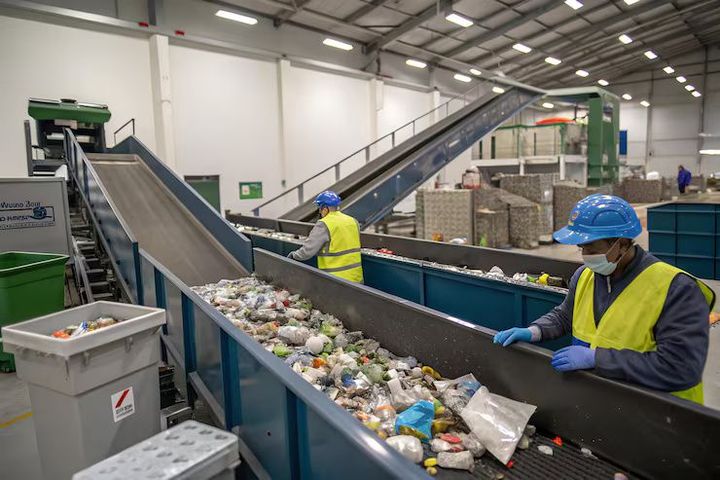
Common recycling machinery categories include shredders, crushers, balers, conveyors, magnetic separators, granulators, compactors, and automated sorting systems. These machines are integrated into waste processing lines where materials move through multiple stages of separation and treatment before recycling or reuse.
Importance
Recycling machinery manufacturing plays an important role in waste reduction, industrial resource management, and environmental sustainability. Waste processing systems help industries recover reusable materials while reducing landfill disposal and uncontrolled waste accumulation.
Support for Waste Management
Industrial and municipal waste systems generate large amounts of materials that require sorting and processing. Recycling machinery helps separate recyclable materials from mixed waste streams and prepare them for further industrial use.
Industries commonly using recycling machinery include:
| Industry | Waste Material | Machinery Application |
|---|---|---|
| Manufacturing | Metal scrap | Shredding and separation |
| Plastic Processing | Plastic waste | Granulation and washing |
| Construction | Concrete and debris | Crushing systems |
| Electronics | Electronic waste | Material separation |
| Paper Industry | Paper scrap | Baling and compacting |
These systems support organized waste handling and material recovery operations.
Resource Conservation
Waste processing systems help industries recover valuable materials that can re-enter production cycles. Recycled materials may reduce dependence on newly extracted raw resources in some manufacturing sectors.
Recovered materials often include:
- Steel and aluminum
- Plastic polymers
- Glass fragments
- Paper fibers
- Copper and electronic metals
Material recovery supports long-term industrial resource management.
Environmental Management
Recycling machinery manufacturing also supports environmental protection efforts by reducing landfill waste and improving industrial waste handling processes.
Recycling systems may help reduce:
- Uncontrolled waste accumulation
- Industrial disposal volumes
- Material contamination
- Resource extraction pressure
Environmental management programs in many regions encourage expanded recycling infrastructure and waste processing technologies.
Waste Processing Systems
Modern waste processing systems use multiple stages of sorting, separation, crushing, and material preparation to manage different waste streams.
Shredding and Size Reduction
Shredders and crushers reduce large waste materials into smaller pieces for easier sorting and processing. These systems are commonly used for plastics, metals, tires, wood, and construction materials.
Common equipment includes:
- Industrial shredders
- Hammer mills
- Plastic granulators
- Metal crushers
Size reduction improves material handling and downstream processing efficiency.
Sorting and Separation Systems
Sorting systems separate recyclable materials based on size, weight, magnetic properties, or optical identification technologies.
Modern sorting technologies may use:
- Magnetic separators
- Air classification systems
- Optical sorting sensors
- Eddy current separators
Automated sorting helps improve material recovery accuracy in recycling facilities.
Washing and Cleaning Equipment
Plastic recycling and material recovery operations often require washing systems to remove contaminants such as dirt, labels, oils, and residues.
Cleaning systems may include:
- Friction washers
- Water separation tanks
- Drying units
- Chemical cleaning stages
These processes help prepare recycled materials for reuse in manufacturing.
Compaction and Baling Systems
Compactors and balers compress recyclable materials into organized bundles for storage and transportation.
Baling systems are commonly used for:
- Cardboard
- Plastic film
- Aluminum cans
- Textile waste
Compacted materials are easier to transport and store within recycling facilities.
Manufacturing Process
Recycling machinery manufacturing involves engineering design, metal fabrication, component assembly, and industrial system testing.
Engineering and Product Design
Manufacturers begin by designing recycling equipment according to waste type, processing capacity, and industrial requirements.
Design planning may involve:
- Material flow analysis
- Motor selection
- Structural calculations
- Conveyor integration
- Safety system development
Digital modeling software is often used during equipment design stages.
Metal Fabrication and Machining
Recycling machinery components are commonly produced using steel fabrication and industrial machining processes.
Manufacturing operations may include:
- CNC cutting
- Welding and assembly
- Drilling and shaping
- Surface finishing
Heavy-duty machine frames are designed to handle abrasive and high-load operating conditions.
Electrical and Automation Integration
Modern waste processing systems often include automated controls and sensor technologies.
Integrated systems may include:
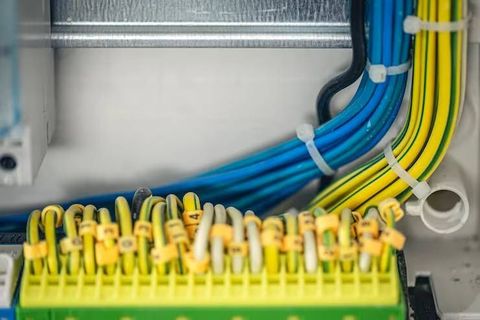
- PLC control panels
- Sensor-based sorting units
- Motor control systems
- Emergency stop mechanisms
Automation improves operational monitoring and equipment coordination.
Testing and Inspection
Recycling machinery undergoes inspection and performance testing before industrial installation.
Testing procedures may involve:
- Load capacity testing
- Motor performance analysis
- Conveyor alignment checks
- Safety inspections
- Material processing trials
Quality control helps verify equipment reliability and operational stability.
Sustainable Industrial Solutions
Recycling machinery supports broader industrial sustainability efforts through waste reduction and resource recovery technologies.
Circular Manufacturing Systems
Many industries are moving toward circular manufacturing models where recovered materials are reused within production cycles.
Examples include:
- Recycled plastic in packaging production
- Scrap metal reuse in steel manufacturing
- Recovered paper fibers in paper processing
Waste processing systems help support these material recovery operations.
Industrial Waste Reduction
Manufacturing facilities increasingly use recycling systems to manage production waste generated during industrial operations.
Industrial waste reduction efforts may involve:
- Metal scrap recovery
- Plastic reprocessing systems
- Packaging waste management
- Construction material recycling
These systems help organize waste handling within factories and industrial plants.
Renewable Energy and Waste Processing
Some recycling facilities integrate waste processing systems with renewable energy or waste-to-energy technologies.
Applications may include:
- Biomass processing
- Refuse-derived fuel preparation
- Organic waste treatment systems
These approaches vary depending on local infrastructure and environmental policies.
Recent Updates
Between 2024 and 2026, recycling machinery manufacturing continued evolving through automation, sustainability initiatives, and digital monitoring technologies.
Expansion of Automated Sorting Systems
Recycling facilities increasingly use AI-supported sorting systems capable of identifying materials more accurately.
Recent developments include:
- Optical recognition technologies
- Robotic sorting equipment
- Sensor-based waste classification
- Automated contamination detection
These systems improve processing speed and material separation efficiency.
Growth of Electronic Waste Recycling
Electronic waste recycling expanded due to increasing volumes of discarded consumer electronics and industrial devices.
Waste processing systems now focus more on:
- Circuit board separation
- Battery recycling technologies
- Precious metal recovery
- Electronic component dismantling
Energy-Efficient Recycling Equipment
Manufacturers are developing machinery designed to reduce electricity usage and improve operational efficiency.
Examples include:
- Variable-speed motors
- Smart energy monitoring systems
- Automated shutdown controls
Increased Focus on Plastic Recycling
Plastic recycling infrastructure continues expanding in many regions due to environmental management goals and packaging regulations.
Laws or Policies
Recycling machinery manufacturing and waste processing systems are influenced by environmental regulations, industrial safety rules, and waste management policies.
Waste Management Regulations
Governments often regulate waste collection, recycling operations, and disposal activities.
Regulations may include:
- Waste segregation requirements
- Recycling targets
- Landfill reduction programs
- Industrial waste reporting
Environmental Compliance Standards
Recycling facilities may need to comply with standards related to:
- Air emissions
- Wastewater management
- Noise control
- Hazardous material handling
Environmental agencies commonly monitor recycling operations and industrial waste facilities.
Workplace Safety Requirements
Industrial recycling facilities follow safety regulations related to:
- Heavy machinery operation
- Dust control
- Fire prevention
- Conveyor system safety
Safety procedures are important because recycling systems often process heavy and mixed waste materials.
Tools and Resources
Several technical tools and industrial systems support recycling machinery manufacturing and waste processing operations.
Material Sorting Software
Digital platforms help recycling facilities track material flows and improve sorting efficiency.
Functions may include:
- Waste stream monitoring
- Material classification analysis
- Equipment tracking
- Production reporting
Equipment Monitoring Systems
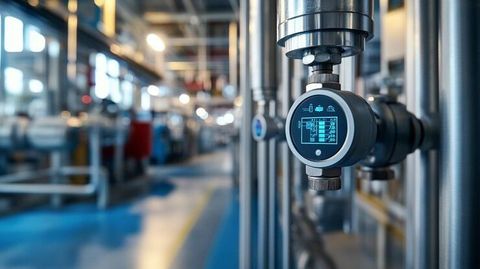
Modern recycling machinery often includes monitoring systems that track operational performance and maintenance schedules.
CAD and Industrial Design Software
Engineering software supports recycling equipment design and production planning.
Applications include:
- Machine layout design
- Structural simulations
- Conveyor system planning
- Material handling analysis
FAQs
What is recycling machinery manufacturing?
Recycling machinery manufacturing is the process of designing and producing equipment used for sorting, shredding, separating, and processing recyclable waste materials.
Which industries use waste processing systems?
Industries using waste processing systems include manufacturing, construction, plastics processing, electronics recycling, paper production, and municipal waste management.
What types of materials are processed in recycling facilities?
Recycling facilities commonly process plastics, metals, paper, glass, electronic waste, rubber, and construction debris.
How do automated recycling systems work?
Automated recycling systems use conveyors, sensors, optical sorting equipment, magnets, and robotic systems to separate and process recyclable materials.
Why are sustainable industrial solutions important in recycling?
Sustainable industrial solutions help reduce landfill waste, recover reusable materials, support resource conservation, and improve industrial waste management practices.
Conclusion
Recycling machinery manufacturing is an important part of modern waste management and sustainable industrial development. Waste processing systems help industries separate, recover, and prepare recyclable materials for reuse across multiple sectors. Modern recycling facilities increasingly use automated sorting technologies, digital monitoring systems, and energy-efficient machinery to improve operational efficiency. Recycling equipment supports resource conservation, industrial waste reduction, and environmental management efforts worldwide. Regulations, safety standards, and sustainability programs also influence how recycling systems are designed and operated.