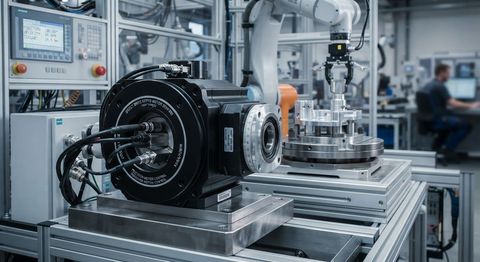
Predictive Maintenance Systems: Guide to Smart Monitoring and Equipment Reliability
Predictive maintenance systems help industries monitor machines and identify possible problems before major breakdowns happen.
These systems use sensors, data analysis, and smart monitoring methods to track equipment condition in real time.
Factories, energy plants, transportation networks, and manufacturing facilities depend heavily on machines working properly every day. When equipment suddenly stops working, production delays and safety risks may increase. Predictive maintenance helps reduce these disruptions by identifying warning signs early.
Traditional maintenance methods often depend on fixed schedules. For example, a machine may receive inspection every three months whether problems exist or not. Predictive maintenance takes a smarter approach. Instead of relying only on schedules, it studies machine behavior and condition continuously.
This modern monitoring method has become increasingly important in industrial automation, equipment management, and reliability planning. Many industries now use predictive maintenance to improve machine performance and extend equipment lifespan.
Understanding the Concept
Predictive maintenance is a monitoring strategy that analyzes equipment condition to predict possible failures before they happen. The main goal is to prevent unexpected downtime and maintain reliable operations.
Machines create valuable data while operating. This data may include:
- Temperature levels
- Vibration patterns
- Pressure readings
- Noise changes
- Energy usage
- Rotation speed
Predictive maintenance systems collect and analyze this information. If unusual patterns appear, maintenance teams receive alerts that something may need attention.
For example, a motor in a manufacturing plant may begin vibrating more than normal. The monitoring system detects the unusual vibration pattern and warns technicians before the motor completely fails.
This approach differs from reactive maintenance, where repairs happen only after equipment stops working. It also differs from preventive maintenance, which follows fixed schedules regardless of equipment condition.
Predictive maintenance focuses on actual machine health instead of general timelines.
Key Types or Categories
Different predictive maintenance methods focus on specific equipment behaviors and monitoring techniques.
Vibration Monitoring
Vibration monitoring analyzes movement patterns in rotating equipment such as motors, turbines, and pumps.
Unusual vibration may indicate:
- Loose components
- Worn bearings
- Shaft misalignment
- Mechanical imbalance
This method is widely used in industrial maintenance planning.
Thermal Monitoring
Thermal monitoring tracks heat levels in machines and electrical systems.
Excess heat may signal:
- Electrical faults
- Friction problems
- Overloaded components
- Cooling system issues
Infrared cameras and heat sensors are commonly used for this monitoring method.
Oil Analysis
Oil analysis studies lubricant condition inside machinery.
This process helps identify:
- Metal particles
- Contamination
- Excess wear
- Lubrication breakdown
Oil analysis is especially important for engines, hydraulic equipment, and heavy machinery.
Acoustic Monitoring
Acoustic monitoring listens for unusual sounds generated by machines.
Changes in sound patterns may indicate internal damage or component wear. This method is useful for compressors, pumps, and industrial fans.
Electrical Monitoring
Electrical monitoring tracks voltage, current, and power behavior.
Abnormal electrical readings may reveal hidden issues in motors, generators, and industrial control systems.
Important Subsections
Sensor Technology
Sensors are one of the most important parts of predictive maintenance systems. These devices collect real-time machine data continuously.
Common sensor types include:
- Temperature sensors
- Pressure sensors
- Motion sensors
- Vibration sensors
- Humidity sensors
Accurate sensors improve monitoring quality and equipment analysis.
Data Analytics
Data analytics examines machine information to identify patterns and warning signs.
Modern systems can compare current machine behavior with historical performance data. This comparison helps identify unusual conditions more quickly.
Remote Monitoring
Remote monitoring allows technicians to track equipment from central control rooms or connected digital platforms.
This capability helps large facilities monitor hundreds of machines at the same time.
Machine Learning Integration
Machine learning systems can study equipment behavior and improve prediction accuracy over time.
As more operational data becomes available, monitoring systems become better at identifying possible faults and reliability concerns.
How It Works
Predictive maintenance systems follow a step-by-step process that combines monitoring, analysis, and maintenance planning.
Step 1: Data Collection
Sensors gather information from machines during daily operation.
Examples include:
- Temperature changes
- Noise levels
- Vibration readings
- Power consumption
- Pressure measurements
This information is collected continuously or at scheduled intervals.
Step 2: Data Transmission
The collected information moves to monitoring platforms for analysis.
In many industrial environments, connected networks transfer machine data automatically.
Step 3: Condition Analysis
The system analyzes machine behavior and compares it with normal operating patterns.
If unusual conditions appear, the system identifies possible warning signs.
Step 4: Alert Generation
When risk levels increase, maintenance teams receive alerts.
These alerts may include:
- Equipment condition warnings
- Inspection recommendations
- Performance reports
- Priority levels
This early warning system helps teams respond before severe damage develops.
Step 5: Maintenance Action
Technicians inspect equipment and complete necessary repairs or adjustments.
Because problems are detected earlier, maintenance planning becomes more organized and efficient.
Benefits and Advantages
Predictive maintenance provides many practical advantages across industrial operations.
Reduced Equipment Downtime
Unexpected machine failure can interrupt production and create operational delays.
Predictive monitoring helps reduce sudden shutdowns by identifying issues earlier.
Improved Equipment Reliability
Machines operating in healthy condition usually perform more consistently.
Reliable equipment supports smoother industrial operations and production planning.
Better Safety Conditions
Equipment failure can create dangerous situations in factories and industrial plants.
Early problem detection helps reduce safety risks linked to overheating, pressure buildup, or mechanical damage.
Longer Equipment Lifespan
Machines that receive timely maintenance often remain operational for longer periods.
Regular monitoring helps reduce excessive wear and internal damage.
Smarter Maintenance Planning
Maintenance teams can prioritize inspections based on actual equipment condition instead of fixed schedules.
This improves maintenance organization and resource planning.
Energy Efficiency Improvements
Damaged or inefficient equipment may consume more electricity or fuel.
Predictive maintenance helps identify inefficient performance earlier, supporting better energy management.
Real-World Examples or Applications
Predictive maintenance systems are used in many industries around the world.
Manufacturing Plants
Manufacturing facilities use predictive monitoring for:
- Conveyor systems
- Industrial motors
- Robotics equipment
- Production machinery
For example, a factory may monitor motor vibration to prevent assembly line interruptions.
Energy Industry
Power plants and energy facilities monitor turbines, generators, and cooling systems continuously.
Thermal monitoring and electrical analysis help maintain reliable energy production.
Transportation Networks
Rail systems, aircraft, and commercial vehicles depend on equipment reliability.
Predictive maintenance helps monitor engines, brakes, wheels, and electrical systems to improve transportation safety.
Oil and Gas Facilities
Pipelines, drilling equipment, and pumps operate under demanding conditions.
Continuous monitoring helps reduce mechanical failure risks and operational interruptions.
Healthcare Equipment
Hospitals and medical facilities use predictive monitoring for imaging systems, cooling units, and backup power equipment.
Reliable equipment operation is especially important in healthcare environments.
Important Factors to Understand
Several important factors influence predictive maintenance performance.
Data Accuracy
Monitoring systems depend on accurate machine data.
Incorrect sensor readings may create false alerts or missed warnings.
Equipment Compatibility
Not all machines use the same monitoring methods.
Some equipment may require specialized sensors or advanced monitoring techniques.
Staff Training
Maintenance teams must understand how to interpret monitoring information correctly.
Proper training improves maintenance decisions and response planning.
Environmental Conditions
Industrial environments may include heat, moisture, dust, or vibration that affects sensor performance.
Monitoring systems must operate reliably under these conditions.
Continuous Monitoring
Predictive maintenance works best when monitoring remains active consistently.
Regular data collection improves trend analysis and prediction accuracy.
Future Trends and Industry Insights
Predictive maintenance continues evolving as industrial technology advances.
Artificial Intelligence Expansion
Artificial intelligence is improving equipment analysis and fault prediction capabilities.
Future systems may identify complex machine problems with even greater accuracy.
Internet of Things Connectivity
The Internet of Things, often called IoT, connects machines and sensors across industrial networks.
Connected equipment allows broader monitoring across factories and facilities.
Cloud-Based Monitoring Platforms
Cloud technology supports centralized monitoring and large-scale equipment analysis.
Industrial organizations can review machine condition across multiple locations more efficiently.
Digital Twin Technology
Digital twins are virtual models that represent real equipment behavior.
These digital models help engineers simulate machine performance and predict maintenance needs.
Advanced Automation
Automation systems continue becoming more intelligent and responsive.
Future predictive maintenance systems may automatically adjust machine settings to reduce damage risks.
Conclusion
Predictive maintenance systems play an important role in modern industrial operations. By monitoring equipment condition continuously, these systems help identify potential problems before serious failures occur.
Through vibration analysis, thermal monitoring, oil analysis, and smart data tracking, industries can improve equipment reliability and reduce operational disruptions. Predictive maintenance also supports safer working environments, longer equipment lifespan, and more organized maintenance planning.
As industrial automation and connected technologies continue developing, predictive maintenance will likely become even more advanced and widely used. Organizations that understand smart monitoring strategies can improve equipment performance and maintain more reliable operations for the future.