Panoramic X-Ray Machines: Explore Guide, Basics, Tips, Insights, Knowledge, Facts, and Helpful Resources
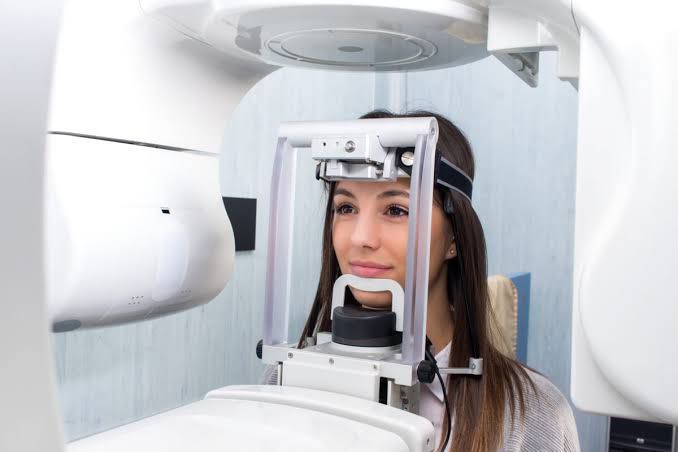
Panoramic X-ray machines are specialized diagnostic imaging systems designed to capture a single wide-view image of the entire mouth, including the teeth, jaws, temporomandibular joints (TMJ), and surrounding facial structures. Unlike traditional dental X-rays that focus on small areas, panoramic imaging provides a comprehensive overview in one image.
The development of panoramic radiography was driven by the need for a broader diagnostic perspective in dental and oral healthcare. By rotating around a patient's head, the machine creates a detailed image that can help professionals evaluate oral structures efficiently.
Today, panoramic imaging is commonly used in dental examinations, orthodontic planning, oral surgery assessments, and evaluation of jaw-related conditions. The technology has become an important part of modern diagnostic imaging and healthcare documentation.
Why Panoramic X-Ray Machines Matter
Healthcare professionals rely on diagnostic imaging to identify conditions that may not be visible during routine examinations. Panoramic X-ray machines contribute to this process by providing a larger view of oral and facial anatomy.
Key benefits include:
- Visualization of impacted teeth and wisdom teeth.
- Assessment of jawbone structures.
- Detection of cysts, tumors, or abnormalities.
- Orthodontic treatment planning.
- Monitoring developmental changes in teeth and jaws.
- Evaluation of temporomandibular joint conditions.
The importance of panoramic imaging has increased as healthcare providers seek efficient diagnostic tools that support preventive care and treatment planning. Patients of various age groups, including children, adults, and older individuals, may benefit from panoramic imaging when clinically appropriate.
Common Applications of Panoramic Imaging
| Application Area | Purpose |
|---|---|
| Orthodontics | Evaluation of tooth alignment and jaw growth |
| Oral Surgery | Assessment before tooth extraction procedures |
| Implant Planning | Examination of bone structure and anatomy |
| General Dentistry | Identification of hidden dental conditions |
| TMJ Evaluation | Analysis of jaw joint structures |
| Pediatric Dentistry | Monitoring tooth development |
Panoramic Imaging Workflow Overview
Patient Positioning
        ↓
Machine Rotation
        ↓
Image Acquisition
        ↓
Digital Processing
        ↓
Diagnostic Review
        ↓
Clinical Documentation
The streamlined workflow helps healthcare facilities improve diagnostic efficiency while maintaining imaging quality standards.
Recent Updates and Trends
The field of dental imaging has experienced several technological developments during 2025 and 2026.
Digital panoramic imaging systems continue to replace older film-based technologies. Modern systems provide improved image clarity, enhanced storage capabilities, and easier integration with electronic health records.
Recent trends include:
- Increased adoption of artificial intelligence-assisted image analysis.
- Improved image reconstruction algorithms.
- Enhanced radiation dose optimization techniques.
- Integration with cloud-based healthcare platforms.
- Growth of hybrid imaging systems combining panoramic and three-dimensional imaging capabilities.
Throughout 2025, manufacturers introduced software improvements focused on image enhancement, automated positioning guidance, and workflow efficiency. Many healthcare organizations have also emphasized digital transformation initiatives that support advanced diagnostic imaging technologies.
Another emerging trend is the use of machine learning tools that assist professionals in identifying potential abnormalities, supporting clinical decision-making while maintaining professional oversight.
Technology Comparison
| Feature | Traditional Dental X-Ray | Panoramic X-Ray |
| Coverage Area | Small region | Entire mouth and jaw |
| Number of Images | Multiple | Single image |
| Diagnostic Overview | Limited | Comprehensive |
| Treatment Planning Support | Moderate | Extensive |
| Orthodontic Assessment | Partial | Broad evaluation |
Regulations, Standards, and Policies
Panoramic X-ray machines operate within a framework of healthcare regulations and radiation safety standards. Regulatory requirements vary by country, but most healthcare systems follow similar principles related to patient safety and diagnostic quality.
Common regulatory considerations include:
- Radiation protection requirements.
- Equipment performance testing.
- Operator training standards.
- Quality assurance programs.
- Record retention guidelines.
- Patient consent and documentation requirements.
Healthcare facilities are generally required to conduct routine equipment inspections and maintenance to ensure consistent performance. Radiation exposure principles often follow the "As Low As Reasonably Achievable" (ALARA) approach, which encourages minimizing exposure while obtaining clinically useful images.
Professional organizations and regulatory agencies regularly update guidance related to imaging technologies, cybersecurity for medical devices, digital record management, and quality control procedures.
Radiation Safety Considerations
Healthcare providers typically implement safety measures such as:
- Appropriate patient positioning.
- Use of protective protocols.
- Routine equipment calibration.
- Staff education and competency programs.
- Ongoing quality monitoring.
These practices help maintain imaging effectiveness while supporting patient safety objectives.
Helpful Tools and Resources
A variety of digital resources support professionals working with panoramic imaging technologies.
Useful categories include:
- Digital image management platforms.
- Radiology reporting software.
- Quality assurance tracking systems.
- Radiation dose monitoring applications.
- Continuing education platforms.
- Clinical documentation templates.
- Electronic health record integration tools.
- Diagnostic image archive systems.
Examples of resource types:
| Resource Category | Purpose |
| PACS Systems | Image storage and retrieval |
| DICOM Viewers | Medical image review |
| Learning Platforms | Professional education |
| Quality Control Logs | Equipment monitoring |
| Documentation Templates | Standardized reporting |
| Compliance Checklists | Regulatory adherence |
Healthcare professionals often use these resources to improve workflow efficiency, maintain compliance, and support clinical decision-making.
Best Practices for Understanding Panoramic Imaging
When learning about panoramic X-ray technology, it can be helpful to focus on several core concepts:
- Understand basic imaging principles.
- Learn how patient positioning affects image quality.
- Review common anatomical landmarks.
- Become familiar with image interpretation fundamentals.
- Understand radiation protection concepts.
- Follow current professional guidelines.
- Stay informed about technology updates.
Educational institutions, professional organizations, and healthcare training programs frequently provide updated learning materials related to panoramic imaging and diagnostic radiology.
Frequently Asked Questions
What is a panoramic X-ray machine?
A panoramic X-ray machine is a diagnostic imaging device that captures a wide-view image of the entire mouth, teeth, jaws, and surrounding facial structures in a single scan.
How is a panoramic X-ray different from a traditional dental X-ray?
Traditional dental X-rays focus on smaller areas of the mouth, while panoramic imaging provides a comprehensive overview of both jaws and related anatomical structures in one image.
What conditions can panoramic imaging help identify?
Panoramic imaging may assist in identifying impacted teeth, jaw abnormalities, cysts, tumors, developmental issues, bone changes, and orthodontic concerns.
Is panoramic imaging used only in dentistry?
Although commonly associated with dentistry, panoramic imaging may also support oral surgery, maxillofacial assessment, orthodontics, and certain medical diagnostic applications involving facial structures.
Why is digital panoramic imaging becoming more common?
Digital systems offer improved image management, enhanced workflow efficiency, faster image availability, better integration with healthcare records, and advanced image processing capabilities.
Key Industry Insights
The panoramic imaging market continues to evolve due to advances in:
- Artificial intelligence applications.
- Digital healthcare infrastructure.
- Medical imaging software.
- Data management systems.
- Diagnostic workflow optimization.
- Healthcare technology modernization.
High-value industry keywords often associated with this field include:
- Digital Radiography Systems
- Diagnostic Imaging Technology
- Medical Imaging Software
- Dental Imaging Equipment
- Radiology Information Systems
- Healthcare Technology Solutions
- AI Medical Imaging
- Electronic Health Records Integration
- Medical Device Compliance
- Healthcare Data Management
- Clinical Imaging Analytics
- Digital Diagnostic Platforms
- Imaging Workflow Optimization
- Radiology Software Solutions
- Healthcare Information Systems
Conclusion
Panoramic X-ray machines play an important role in modern diagnostic imaging by providing a comprehensive view of oral and facial structures. Their ability to support treatment planning, detect abnormalities, and improve diagnostic efficiency has made them a valuable component of contemporary healthcare practices.
Recent advancements in digital imaging, artificial intelligence, and healthcare information systems continue to shape the future of panoramic radiography. At the same time, regulatory standards and safety protocols remain essential for ensuring quality and patient protection.
As technology evolves, panoramic imaging is expected to become increasingly integrated with broader digital healthcare ecosystems, supporting more efficient diagnostics, improved clinical workflows, and enhanced healthcare documentation.