Packaging Machinery Guide: Types, Uses, and Benefits
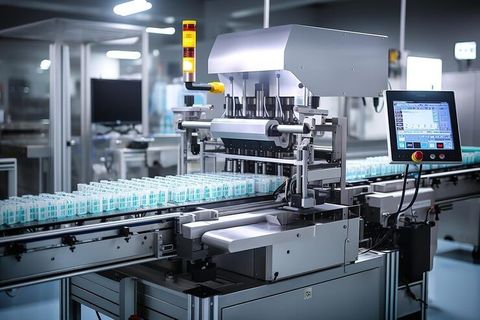
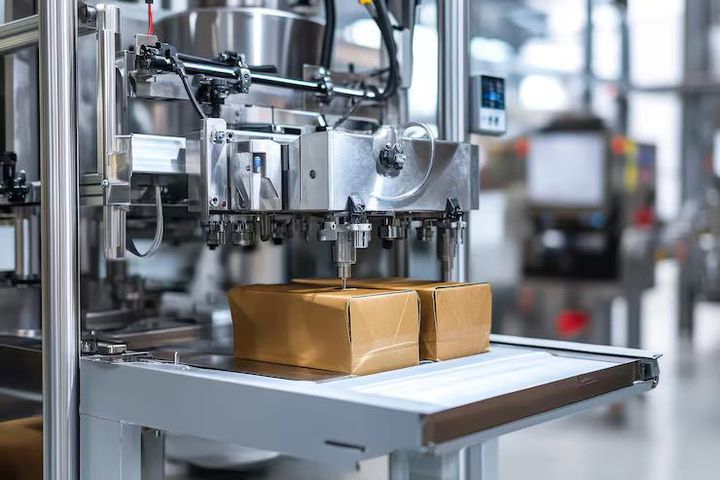
Packaging machinery refers to equipment used to prepare, fill, seal, label, wrap, and organize products for storage or transportation. These systems are widely used across manufacturing industries to improve packaging speed, consistency, and product handling. Modern Industrial Packaging Machinery supports industries such as food processing, healthcare, cosmetics, electronics, and consumer goods.
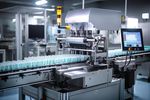
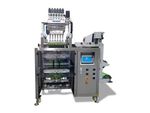
An Automatic Packaging Machine can perform tasks with limited manual involvement. Depending on the production setup, machines may handle single operations or complete packaging sequences. Packaging Line Automation has become increasingly common because businesses aim to reduce delays, improve accuracy, and maintain product quality.
Food Packaging Machinery is commonly used for products such as snacks, dairy items, beverages, frozen meals, and bakery products. In the healthcare sector, Pharmaceutical Packaging Equipment helps package medicines safely while following strict hygiene and labeling standards.
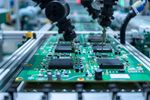
Some systems also include Robotic Packaging Systems that use sensors and programmed movements to sort, stack, or place products into containers. Another widely used technology is the Blister Packaging Machine, often used for tablets, capsules, batteries, and small consumer items.
Common Types of Packaging Machinery
- Filling machines
- Sealing machines
- Labeling systems
- Wrapping equipment
- Cartoning machines
- Palletizing robots
- Vacuum packaging systems
- Blister packaging equipment
Industries That Use Packaging Machinery
| Industry | Common Packaging Equipment | Main Purpose |
|---|---|---|
| Food Processing | Food Packaging Machinery | Product freshness and hygiene |
| Healthcare | Pharmaceutical Packaging Equipment | Safe medicine packaging |
| Electronics | Robotic Packaging Systems | Protective handling |
| Cosmetics | Automatic Packaging Machine | Accurate filling and labeling |
| Logistics | Packaging Line Automation | Faster shipment preparation |
Importance
Packaging machinery plays an important role in modern production environments. It helps maintain consistent packaging quality while supporting large-scale operations. Automated systems also reduce manual repetition and improve workflow organization.
Industrial Packaging Machinery affects manufacturers, warehouse operators, product distributors, and consumers. Well-packaged products are easier to transport, store, and identify. In industries such as food and healthcare, packaging equipment also supports safety and traceability standards.
Food Packaging Machinery helps reduce contamination risks by limiting direct contact with products during packaging. In pharmaceutical environments, Pharmaceutical Packaging Equipment ensures medicine labels, dosage information, and seals remain accurate and secure.
Robotic Packaging Systems are increasingly used in facilities where repetitive movement or precise product placement is required. These systems can improve handling efficiency and reduce packaging inconsistencies in high-volume environments.
Benefits of Packaging Automation
- Faster packaging processes
- Improved consistency
- Better inventory tracking
- Reduced product damage
- Enhanced hygiene standards
- Easier large-scale production management
Recent Updates
Between 2024 and 2026, packaging technology has continued to develop in response to efficiency goals, environmental concerns, and digital transformation. Packaging Line Automation is now commonly connected with smart monitoring systems that track machine performance in real time.
Manufacturers are increasingly using Industrial Packaging Machinery with artificial intelligence and sensor-based monitoring. These systems can identify packaging defects, monitor production speed, and reduce machine downtime.
Robotic Packaging Systems have expanded in sectors requiring careful handling of delicate or irregular products. Collaborative robots, sometimes called cobots, are also becoming more common because they can work alongside human operators in controlled environments.
Sustainability has become another major focus. Food Packaging Machinery is being adapted for recyclable materials, lightweight packaging, and reduced material waste. Many production facilities are also introducing energy-efficient systems to lower operational impact.
Blister Packaging Machine technology has evolved with improved sealing precision and digital tracking features. Pharmaceutical Packaging Equipment now often includes serialization systems that help track products across supply chains and reduce counterfeit risks.
Key Trends from 2024–2026
- Increased use of AI monitoring
- Smart sensors for maintenance alerts
- Growth of robotic packaging operations
- Sustainable packaging material compatibility
- Digital tracking and serialization systems
- Greater integration with warehouse software
Laws or Policies
Packaging machinery is often subject to national and international regulations related to safety, hygiene, labeling, and environmental practices. Requirements vary depending on the industry and region.
Food Packaging Machinery must usually follow food safety standards related to sanitation, contamination prevention, and material handling. In many countries, manufacturers follow systems such as Hazard Analysis and Critical Control Points (HACCP) and Good Manufacturing Practices (GMP).
Pharmaceutical Packaging Equipment is typically regulated more strictly due to patient safety requirements. Regulations often include tamper-evident packaging, batch tracking, labeling accuracy, and controlled production conditions.
Industrial Packaging Machinery may also need to meet workplace safety regulations. These rules often include emergency stop systems, operator training procedures, and machine guarding standards.
Environmental policies from 2024 onward increasingly encourage recyclable materials and reduced packaging waste. Packaging Line Automation systems are being adjusted to support compliance with sustainability targets and waste reduction strategies.
Common Regulatory Areas
- Workplace machine safety
- Product labeling standards
- Hygiene and sanitation rules
- Environmental packaging regulations
- Product traceability requirements
- Electrical and operational safety checks
Tools and Resources
Several tools and platforms help organizations monitor, manage, and improve packaging operations. These resources support maintenance planning, production analysis, and compliance management.
Machine monitoring software is commonly used with Packaging Line Automation systems. These platforms track equipment efficiency, downtime, and output levels in real time.
Industrial simulation tools help manufacturers test production layouts before equipment installation. Some companies also use digital twin technology to model packaging workflows and identify bottlenecks.
Useful resources for packaging operations include:
- Production monitoring dashboards
- Barcode and serialization systems
- Maintenance scheduling software
- Packaging material compatibility databases
- Energy consumption tracking tools
- Safety compliance checklists
Educational institutions and manufacturing organizations also publish technical guides related to Food Packaging Machinery, Robotic Packaging Systems, and Pharmaceutical Packaging Equipment. These materials help operators understand equipment performance, maintenance practices, and regulatory expectations.
FAQs
What is Industrial Packaging Machinery?
Industrial Packaging Machinery refers to equipment used to package products during manufacturing and distribution processes. It includes filling, sealing, wrapping, labeling, and sorting systems.
How does an Automatic Packaging Machine work?
An Automatic Packaging Machine performs packaging tasks using programmed controls, sensors, and mechanical systems. It reduces manual involvement and improves packaging consistency.
Why is Food Packaging Machinery important?
Food Packaging Machinery helps maintain hygiene, reduce contamination risks, and improve packaging speed for food products.
What is a Blister Packaging Machine used for?
A Blister Packaging Machine is commonly used for packaging tablets, capsules, batteries, and small consumer products in sealed plastic compartments.
What are Robotic Packaging Systems?
Robotic Packaging Systems use robotic arms or automated mechanisms to handle, organize, or package products with precision and efficiency.
Conclusion
Packaging machinery continues to play an important role across manufacturing and distribution industries. Modern systems support faster production, improved accuracy, and better product handling while helping facilities meet safety and quality standards. Technologies such as Packaging Line Automation and Robotic Packaging Systems are becoming more common as industries focus on efficiency and digital monitoring. At the same time, Food Packaging Machinery and Pharmaceutical Packaging Equipment remain essential for maintaining hygiene, traceability, and regulatory compliance. Ongoing developments between 2024 and 2026 show that packaging technology is evolving toward smarter, more sustainable operations.