Jump to a Chapter

Neural Biosensors Explained: Signal Detection, Applications, and Healthcare Technology Insights

Neural Biosensors Explained: Signal Detection, Applications, and Healthcare Technology Insights

Neural biosensors are specialized biomedical devices designed to detect, measure, and interpret biological signals generated by the nervous system. These technologies combine principles from neuroscience, biomedical engineering, electronics, data processing, and sensor technology to capture information related to neural activity.


The human nervous system communicates through electrical and chemical signals. Neural biosensors are developed to monitor these signals and convert them into measurable data that researchers, healthcare professionals, and engineers can analyze.

Over the past several decades, advances in microelectronics, artificial intelligence, machine learning, and biotechnology have contributed to the development of increasingly sophisticated neural sensing systems. Today, neural biosensors are an important area of research within healthcare technology and neuroengineering.

Why Neural Biosensors Matter Today

Understanding neural activity can contribute to scientific research, healthcare innovation, and technological development.

Neural biosensors may support:

  • Neuroscience research
  • Brain activity monitoring
  • Rehabilitation technologies
  • Biomedical data collection
  • Human-computer interaction research
  • Neurotechnology development
  • Cognitive science studies
  • Healthcare innovation initiatives

As interest in personalized healthcare and digital medicine grows, neural sensing technologies continue to attract attention from researchers and technology developers.

How Neural Biosensors Work

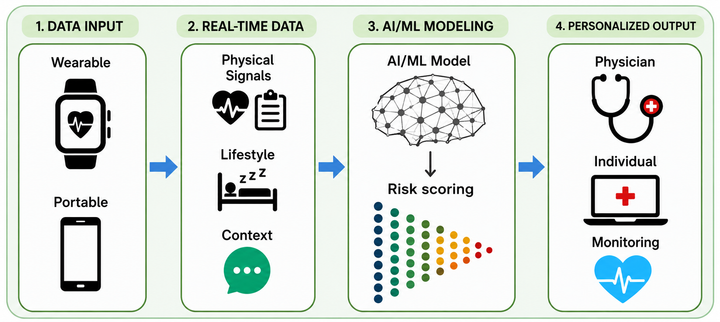
Neural biosensors are designed to detect biological signals and transform them into digital information.

The process generally involves:

StageFunction
Signal DetectionCapture neural activity
Signal AmplificationStrengthen detected signals
Data ConversionTransform signals into digital data
ProcessingAnalyze collected information
InterpretationGenerate useful insights

These systems help convert complex biological activity into measurable and analyzable data.

Types of Neural Signals

The nervous system generates multiple forms of biological signals.

Common signal types include:

  • Electrical impulses
  • Electrochemical activity
  • Neurotransmitter interactions
  • Brainwave patterns
  • Neural network responses
  • Sensory pathway signals

Different biosensor technologies may focus on specific types of neural activity depending on their intended application.

Categories of Neural Biosensors

Neural biosensors can be classified based on sensing methods and design approaches.

Biosensor TypePrimary Focus
Electrical BiosensorsDetect neural electrical activity
Electrochemical BiosensorsMeasure biochemical interactions
Optical BiosensorsUtilize light-based detection
Wearable BiosensorsMonitor external physiological signals
Implantable BiosensorsMeasure activity closer to neural tissue

Each category offers unique advantages for specific research and healthcare applications.

Signal Detection Technologies

Accurate signal detection is a key objective of neural biosensor development.

Important technologies include:

  • Microelectrode arrays
  • Signal amplifiers
  • Digital converters
  • Optical sensing systems
  • Wireless communication modules
  • Data acquisition platforms

These technologies help improve the quality and reliability of collected neural information.

Brain-Computer Interface Research

Neural biosensors are often discussed in connection with brain-computer interface (BCI) research.

Brain-computer interface systems aim to:

  • Interpret neural signals
  • Enable communication pathways
  • Support assistive technologies
  • Facilitate human-machine interaction
  • Advance neuroscience research

BCI research remains an active area of scientific investigation and technological innovation.

Healthcare and Biomedical Applications

Neural biosensors are being explored across various healthcare-related fields.

Potential application areas include:

  • Neurological research
  • Rehabilitation technologies
  • Cognitive studies
  • Digital health monitoring
  • Assistive communication systems
  • Biomedical engineering research
  • Human performance analysis

Researchers continue evaluating how these technologies may contribute to future healthcare solutions.

Artificial Intelligence and Data Analysis

Neural signal data can be highly complex and often requires advanced analysis methods.

Artificial intelligence technologies may assist with:

  • Pattern recognition
  • Signal classification
  • Data interpretation
  • Neural activity analysis
  • Predictive modeling
  • Research data processing

Machine learning algorithms can help researchers identify meaningful trends within large neural datasets.

Recent Developments in Neural Biosensor Technology (2025–2026)

Neurotechnology continues to advance through interdisciplinary research efforts.

Recent trends include:

  • Improved sensor miniaturization
  • Enhanced wireless communication
  • AI-assisted signal analysis
  • Advanced biocompatible materials
  • Increased wearable device research
  • Brain-computer interface innovation
  • Digital health integration
  • Precision neuroscience initiatives

These developments are contributing to ongoing advancements in biomedical engineering and healthcare technology.

Industry and Research Organizations

Neural biosensor research involves universities, healthcare institutions, research laboratories, and technology organizations worldwide.

Examples of organizations frequently referenced in neurotechnology discussions include:

  • Neuralink
  • Massachusetts Institute of Technology
  • Stanford University
  • Johns Hopkins University
  • National Institutes of Health

These organizations are mentioned solely as examples of participants in neuroscience and biomedical research activities.

Regulations and Healthcare Policies

Neural biosensors and related healthcare technologies may be subject to various regulatory frameworks.

Common areas of oversight include:

  • Medical device regulations
  • Patient safety standards
  • Clinical research guidelines
  • Data privacy requirements
  • Biomedical ethics frameworks
  • Healthcare technology assessments
  • Research governance policies

Regulatory oversight helps support safety, ethical considerations, and responsible innovation.

Tools and Resources

Individuals interested in learning about neurotechnology can explore various educational resources.

Useful resources include:

  • Neuroscience learning platforms
  • Biomedical engineering publications
  • Brain signal visualization tools
  • Research databases
  • Medical technology journals
  • Machine learning education resources
  • Digital health research platforms
  • Neuroengineering educational materials

These resources help explain how neural sensing technologies are studied and developed.

Neural Biosensor Technology Overview

ComponentPurpose
Sensor InterfaceDetect biological activity
AmplifierStrengthen signals
Processing UnitAnalyze information
Communication ModuleTransfer data
Software PlatformVisualize and interpret results

This framework demonstrates how neural biosensor systems convert biological activity into meaningful information.

Frequently Asked Questions

What is a neural biosensor?

A neural biosensor is a device designed to detect and measure biological signals associated with nervous system activity.

How do neural biosensors detect signals?

They use specialized sensing technologies to capture electrical, chemical, or physiological signals and convert them into digital information.

What are neural biosensors used for?

They are commonly studied in neuroscience research, biomedical engineering, healthcare technology development, and brain-computer interface research.

What role does artificial intelligence play in neural biosensors?

AI can assist with signal processing, pattern recognition, data analysis, and interpretation of complex neural information.

Are neural biosensors regulated?

Healthcare-related neural biosensor technologies may be subject to medical device regulations, research standards, ethical guidelines, and data protection requirements.

Conclusion

Neural biosensors represent an important intersection of neuroscience, biomedical engineering, healthcare technology, and data science. By detecting and interpreting neural signals, these systems contribute to research efforts aimed at better understanding the human nervous system and advancing neurotechnology innovation.

As developments in artificial intelligence, sensor design, wireless communication, and biomedical research continue to progress, neural biosensors are expected to remain a significant area of scientific exploration. Understanding the principles behind signal detection, healthcare applications, and neuroengineering technologies provides valuable insight into one of the most rapidly evolving fields of modern healthcare technology.

Disclaimer

This article is intended solely for informational and educational purposes. It does not provide medical, healthcare, diagnostic, treatment, engineering, legal, or professional advice. References to organizations, institutions, and technologies are included only for educational context and do not constitute endorsements or recommendations. Neural biosensor technologies remain subject to ongoing research, regulatory review, and scientific evaluation. Readers should consult qualified healthcare professionals, researchers, or regulatory authorities regarding specific medical, technological, or research-related matters.


author-image

Ravi Shankar Maurya

We create purposeful content that speaks, resonates, and drives action.

June 05, 2026 . 7 min read