Jump to a Chapter

Modern Hospital Beds Explained: Smart Features, Mobility, and Caregiving Technology

Modern Hospital Beds Explained: Smart Features, Mobility, and Caregiving Technology

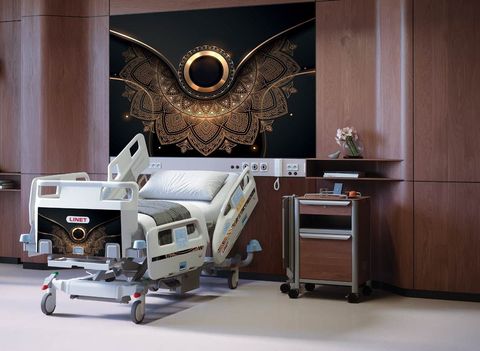
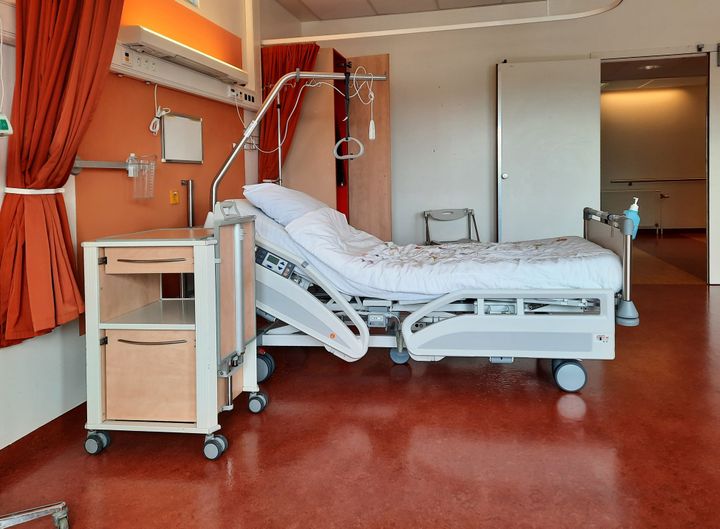
Modern hospital beds are advanced medical devices designed to improve patient comfort, support healthcare professionals, and enhance safety in hospitals, rehabilitation centers, long-term care facilities, and home healthcare environments. Unlike traditional beds, today's hospital beds incorporate electronic controls, adjustable positioning, mobility features, integrated safety systems, and digital technologies to assist with patient care.

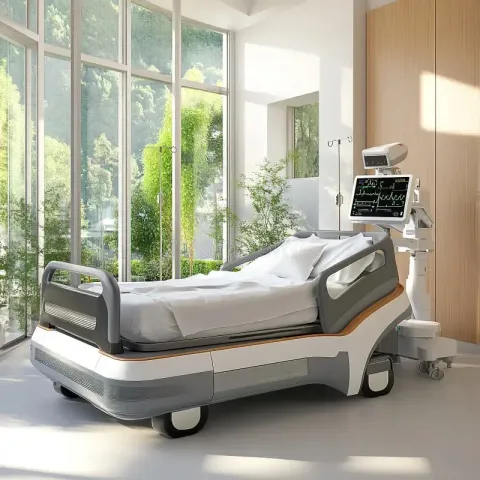
Advancements in healthcare technology have introduced smart hospital beds equipped with sensors, wireless connectivity, patient monitoring capabilities, and ergonomic designs. These innovations contribute to improved patient positioning, easier caregiving, and more efficient clinical workflows.

This guide explores modern hospital beds, their smart features, mobility systems, patient support technologies, and emerging healthcare innovations from an educational perspective. It does not provide medical, clinical, purchasing, regulatory, or professional healthcare advice.

Understanding Modern Hospital Beds

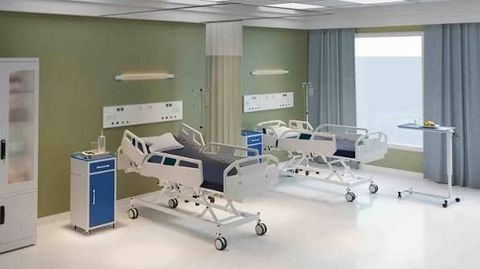
Hospital beds are specialized medical beds designed to accommodate patients who require ongoing care, monitoring, or recovery.

They are commonly used in:

  • General hospitals
  • Intensive Care Units (ICUs)
  • Emergency departments
  • Rehabilitation centers
  • Long-term care facilities
  • Home healthcare settings

Different bed models are designed to meet varying clinical needs.

Main Components

A modern hospital bed typically consists of several integrated components.

Common components include:

  • Adjustable mattress platform
  • Bed frame
  • Side rails
  • Electric actuators
  • Control panel
  • Wheels with locking mechanisms
  • Headboard and footboard
  • Battery backup system

These components work together to improve patient comfort and caregiver efficiency.

Types of Hospital Beds

Hospital beds are available in different configurations.

Manual Hospital Beds

Position adjustments are made using mechanical hand cranks.

Semi-Electric Hospital Beds

Electric motors control selected adjustments, while others remain manual.

Fully Electric Hospital Beds

Electronic controls adjust bed height, head section, and leg section.

Intensive Care Beds

Designed for critical care environments with advanced monitoring compatibility and multiple positioning functions.

Bariatric Hospital Beds

Built to support higher weight capacities with reinforced structures.

Adjustable Positioning

One of the key advantages of modern hospital beds is flexible positioning.

Common adjustments include:

  • Head elevation
  • Backrest adjustment
  • Leg elevation
  • Knee positioning
  • Overall bed height adjustment
  • Trendelenburg position
  • Reverse Trendelenburg position

These adjustments support patient comfort and clinical care requirements.

Electric Control Systems

Fully electric hospital beds use motorized systems for positioning.

Features may include:

  • Handheld remote controls
  • Integrated side-rail controls
  • Nurse control panels
  • Programmable positioning
  • Emergency reset functions

Electronic controls reduce physical effort for caregivers.

Smart Bed Technology

Many modern hospital beds incorporate intelligent technologies.

Examples include:

  • Digital control interfaces
  • Sensor-based monitoring
  • Wireless connectivity
  • Bed status indicators
  • Usage analytics
  • Equipment integration

Smart systems support efficient patient care and facility management.

Patient Monitoring Integration

Some advanced beds integrate with patient monitoring systems.

Possible capabilities include:

  • Bed occupancy detection
  • Movement monitoring
  • Position alerts
  • Exit notifications
  • Weight monitoring compatibility

These systems complement clinical observation and nursing workflows.

Mobility Features

Mobility is an important aspect of hospital bed design.

Common mobility features include:

  • Medical-grade caster wheels
  • Central braking systems
  • Directional steering assistance
  • Easy maneuverability
  • Wheel locking mechanisms

These features simplify patient transportation within healthcare facilities.

Side Rail Safety

Hospital beds often include adjustable side rails.

Their functions may include:

  • Patient support during movement
  • Fall prevention assistance
  • Integrated control buttons
  • Access for caregivers

Side rails should always be used according to healthcare facility protocols and patient needs.

Pressure Management

Patient comfort is enhanced through pressure-relief technologies.

Support systems may include:

  • Pressure redistribution mattresses
  • Air mattress compatibility
  • Foam support surfaces
  • Alternating pressure systems

Appropriate mattress selection depends on clinical requirements.

Battery Backup

Many electric hospital beds include backup power systems.

Benefits include:

  • Continued operation during power interruptions
  • Emergency positioning
  • Improved operational reliability

Battery performance varies by manufacturer and model.

Ergonomic Design

Modern hospital beds emphasize ergonomics for both patients and caregivers.

Design considerations include:

  • Comfortable positioning
  • Reduced caregiver strain
  • Easy patient transfers
  • Accessible controls
  • Smooth adjustment mechanisms

Ergonomic improvements contribute to efficient daily care.

Infection Control

Hospital beds are designed with materials that support cleaning and hygiene.

Features may include:

  • Smooth surfaces
  • Easy-to-clean finishes
  • Moisture-resistant materials
  • Removable components
  • Durable protective coatings

Cleaning procedures follow healthcare infection-control protocols.

Digital Connectivity

Healthcare facilities increasingly connect medical equipment through digital systems.

Hospital beds may support:

  • Hospital information system integration
  • Electronic medical records compatibility
  • Equipment status reporting
  • Maintenance notifications

Integration depends on healthcare infrastructure.

Artificial Intelligence in Hospital Beds

AI technologies are gradually being incorporated into smart healthcare equipment.

Potential applications include:

  • Patient movement analysis
  • Bed occupancy monitoring
  • Predictive maintenance
  • Workflow optimization
  • Equipment utilization insights

AI serves as a support tool for healthcare professionals.

Factors Influencing Hospital Bed Selection

Healthcare organizations evaluate several considerations when selecting hospital beds.

These may include:

  • Clinical application
  • Patient mobility needs
  • Weight capacity
  • Positioning capabilities
  • Electronic features
  • Safety systems
  • Maintenance requirements
  • Facility infrastructure

Selection depends on the intended healthcare environment.

Healthcare Technology Trends in 2026

Several innovations continue shaping hospital bed technology.

Current developments include:

  • AI-assisted monitoring
  • Smart sensor integration
  • Wireless connectivity
  • Digital caregiver controls
  • Enhanced pressure management
  • Improved ergonomic design
  • Cloud-connected equipment management
  • Advanced patient safety systems

These developments continue improving patient support and clinical efficiency.

Frequently Asked Questions

What is a modern hospital bed?

A modern hospital bed is an adjustable medical bed designed to improve patient comfort, caregiver efficiency, and healthcare safety through mechanical, electronic, or smart technologies.

What are smart hospital bed features?

Smart features may include electronic controls, occupancy sensors, wireless connectivity, digital monitoring, and integration with hospital information systems.

Why are adjustable hospital beds important?

Adjustable positioning supports patient comfort, assists with clinical care, facilitates transfers, and helps caregivers perform routine tasks more efficiently.

What types of hospital beds are available?

Common types include manual, semi-electric, fully electric, intensive care, and bariatric hospital beds.

Can hospital beds integrate with digital healthcare systems?

Some advanced models support integration with hospital information systems, patient monitoring platforms, and electronic medical records, depending on the healthcare facility's infrastructure.

Conclusion

Modern hospital beds have evolved into sophisticated healthcare devices that combine adjustable positioning, smart technology, mobility features, and patient safety systems. By supporting comfort, clinical workflows, and caregiver efficiency, these beds play an important role across hospitals, rehabilitation centers, and long-term care facilities.

As healthcare technology continues to advance through AI, wireless connectivity, sensor integration, and digital management platforms, hospital beds are expected to become even more intelligent, adaptable, and supportive of modern patient care.

Disclaimer

This article is intended solely for informational and educational purposes. It does not provide medical, clinical, nursing, regulatory, engineering, purchasing, or professional healthcare advice. It does not endorse, recommend, compare, rank, review, market, or promote any manufacturer, medical device, healthcare provider, software platform, or hospital equipment. Hospital bed specifications, safety features, clinical applications, and regulatory approvals vary by manufacturer, healthcare facility, and jurisdiction. Readers should consult qualified healthcare professionals and official medical device documentation for clinical guidance and technical information.


author-image

Ravi Shankar Maurya

We create purposeful content that speaks, resonates, and drives action.

July 07, 2026 . 9 min read