Jump to a Chapter

Ambulance Stretcher Guide: Types, Features, and Emergency Healthcare Applications

Ambulance Stretcher Guide: Types, Features, and Emergency Healthcare Applications

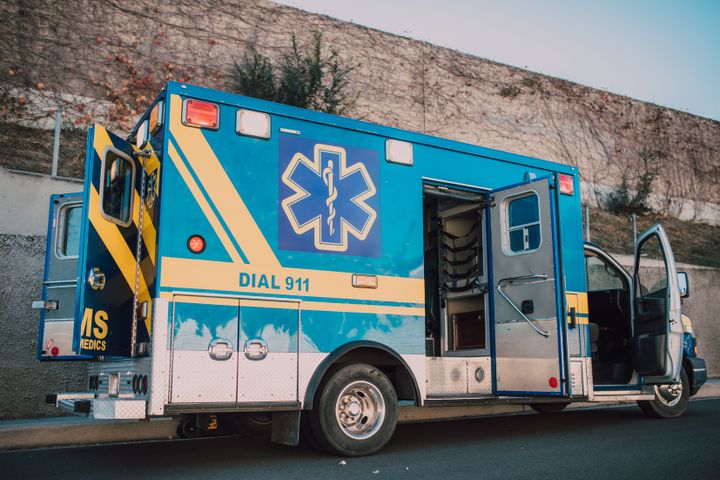
Ambulance stretchers are specialized medical transport devices designed to safely move patients during emergency response, hospital transfers, and healthcare transportation. They are an essential component of modern emergency medical services (EMS), helping emergency responders transport patients while supporting comfort, stability, and efficient handling.


Modern ambulance stretchers incorporate lightweight materials, adjustable positioning systems, shock-absorbing frames, secure restraint mechanisms, and ergonomic designs. Some advanced models also feature powered lifting systems, electronic controls, and integrated safety technologies that assist healthcare professionals during patient transport.

This guide explores ambulance stretchers, their types, features, transport technologies, safety systems, and healthcare applications from an educational perspective. It does not provide medical, emergency response, regulatory, purchasing, or professional healthcare advice.

What Is an Ambulance Stretcher?

An ambulance stretcher is a mobile patient transport device used to safely move individuals who require medical assistance or supervised transportation.

They are commonly used in:

  • Emergency medical services (EMS)
  • Hospitals
  • Ambulance services
  • Trauma centers
  • Disaster response operations
  • Patient transfer services
  • Healthcare transport units

The design of a stretcher depends on its intended clinical and operational use.

Main Components

A modern ambulance stretcher typically includes:

  • Patient support platform
  • Adjustable backrest
  • Telescopic frame
  • Side rails
  • Patient restraint straps
  • Foldable legs
  • Locking wheels
  • Loading mechanism
  • Carrying handles
  • Mattress or patient support surface

These components work together to improve patient stability and caregiver efficiency.

Types of Ambulance Stretchers

Different stretcher designs are available for various emergency situations.

Manual Stretchers

Operated entirely by healthcare personnel using mechanical lifting and positioning systems.

Powered Stretchers

Use electric or battery-powered lifting systems to assist with loading, unloading, and height adjustments.

Bariatric Stretchers

Designed for higher weight capacities with reinforced frames and wider patient platforms.

Scoop Stretchers

Separate into two sections, allowing patients to be lifted with minimal movement after certain injuries.

Folding Stretchers

Lightweight and portable models commonly used during rescue operations and disaster response.

Stair Stretchers

Designed to assist with patient transport on stairways in buildings where elevators may not be available.

Adjustable Positioning

Modern ambulance stretchers often provide multiple positioning options.

Common adjustments include:

  • Backrest elevation
  • Leg support adjustment
  • Height adjustment
  • Flat transport position
  • Chair-style positioning

These adjustments support patient comfort and operational flexibility.

Powered Lift Technology

Many advanced ambulance stretchers include powered lifting systems.

Potential features include:

  • Battery-powered lifting
  • Electronic height adjustment
  • Assisted loading
  • Motorized leg deployment
  • Remote operation controls

Powered systems help reduce physical strain on emergency personnel.

Patient Safety Features

Safety remains a primary consideration in stretcher design.

Common safety features include:

  • Multi-point restraint straps
  • Locking side rails
  • Wheel locking systems
  • Automatic leg locks
  • Secure ambulance docking mechanisms
  • Anti-slip patient surfaces

Proper use of safety equipment follows established healthcare protocols.

Mobility Systems

Efficient mobility supports rapid patient transport.

Modern stretchers may include:

  • Large medical-grade caster wheels
  • Swivel front wheels
  • Directional locking systems
  • Shock-absorbing suspension
  • Smooth rolling mechanisms

These features improve maneuverability in hospitals and emergency environments.

Loading Systems

Ambulance stretchers are designed for compatibility with ambulance loading systems.

Loading mechanisms may include:

  • Automatic loading assistance
  • Mechanical loading guides
  • Locking floor mounts
  • Guided rail systems
  • Safety release mechanisms

The specific system depends on the ambulance design and stretcher model.

Lightweight Construction

Manufacturers commonly use durable yet lightweight materials.

Examples include:

  • Aluminum alloys
  • Stainless steel
  • Reinforced composites
  • High-strength polymers

Material selection balances durability, weight, and ease of cleaning.

Patient Comfort

Modern stretcher designs emphasize patient support during transport.

Comfort features may include:

  • High-density foam mattresses
  • Adjustable headrests
  • Pressure-distributing support surfaces
  • Smooth suspension systems
  • Ergonomic positioning

Comfort requirements vary according to patient condition and transport duration.

Infection Control

Stretchers are designed to support healthcare hygiene standards.

Common features include:

  • Easy-to-clean surfaces
  • Fluid-resistant materials
  • Removable mattresses
  • Corrosion-resistant finishes
  • Seamless construction where possible

Cleaning and disinfection follow healthcare infection-control guidelines.

Emergency Healthcare Applications

Ambulance stretchers are used in a wide range of healthcare situations.

Applications include:

  • Emergency response
  • Trauma patient transport
  • Hospital transfers
  • Non-emergency medical transport
  • Disaster response
  • Search and rescue support
  • Event medical services

The type of stretcher selected depends on operational requirements.

Digital Technology Integration

Some advanced stretcher systems incorporate digital technologies.

Potential features include:

  • Battery status indicators
  • Electronic controls
  • Usage monitoring
  • Equipment diagnostics
  • Maintenance alerts

Integration varies depending on the manufacturer and model.

Artificial Intelligence and Smart Healthcare

AI technologies are gradually supporting emergency healthcare equipment.

Potential applications include:

  • Equipment monitoring
  • Predictive maintenance
  • Fleet management
  • Workflow optimization
  • Usage analytics

These technologies support operational efficiency rather than replacing healthcare professionals.

Factors Influencing Stretcher Selection

Healthcare organizations consider several factors when selecting ambulance stretchers.

These include:

  • Intended clinical use
  • Patient weight capacity
  • Mobility requirements
  • Ambulance compatibility
  • Powered or manual operation
  • Safety systems
  • Maintenance requirements
  • Staff training needs

Selection depends on local operational and healthcare requirements.

Trends in 2026

Several innovations continue shaping ambulance stretcher technology.

Current developments include:

  • Powered lifting systems
  • Lightweight composite materials
  • Smart safety sensors
  • Digital equipment monitoring
  • Improved ergonomic designs
  • Advanced suspension systems
  • Connected fleet management
  • Enhanced infection-control materials

These innovations continue supporting patient transport and caregiver safety.

Frequently Asked Questions

What is an ambulance stretcher?

An ambulance stretcher is a specialized medical transport device used to safely move patients during emergency response and healthcare transportation.

What are the main types of ambulance stretchers?

Common types include manual stretchers, powered stretchers, bariatric stretchers, scoop stretchers, folding stretchers, and stair stretchers.

What are powered ambulance stretchers?

Powered stretchers use battery-operated lifting systems to assist healthcare professionals with loading, unloading, and height adjustment.

Why are side rails important?

Side rails help provide patient support and reduce the risk of accidental movement during transport when used according to healthcare protocols.

What materials are commonly used?

Modern ambulance stretchers are often constructed from aluminum alloys, stainless steel, reinforced composites, and other durable materials that combine strength with reduced weight.

Conclusion

Ambulance stretchers are essential medical transport devices that combine mobility, patient safety, ergonomic design, and modern engineering to support emergency healthcare services. Through innovations such as powered lifting systems, lightweight materials, digital controls, and improved safety mechanisms, today's stretchers help healthcare professionals transport patients more efficiently and comfortably.

As emergency medical technology continues to evolve, ambulance stretchers are expected to become even more advanced through smart monitoring systems, enhanced ergonomics, and integrated digital healthcare technologies.

Disclaimer

This article is intended solely for informational and educational purposes. It does not provide medical, emergency response, clinical, engineering, regulatory, purchasing, or professional healthcare advice. It does not endorse, recommend, compare, rank, review, market, or promote any manufacturer, ambulance service, medical device, healthcare provider, or equipment supplier. Equipment specifications, operational procedures, safety standards, and regulatory requirements vary by manufacturer, healthcare organization, and jurisdiction. Readers should consult qualified healthcare professionals and official medical device documentation for clinical guidance and technical information.


author-image

Ravi Shankar Maurya

We create purposeful content that speaks, resonates, and drives action.

July 15, 2026 . 9 min read