Jump to a Chapter

ENT Equipment and Machinery Explained: Diagnostic Tools, Surgical Systems, and Healthcare Technology Insights

ENT Equipment and Machinery Explained: Diagnostic Tools, Surgical Systems, and Healthcare Technology Insights

Ear, Nose, and Throat (ENT) equipment and machinery are specialized medical devices used to examine, diagnose, monitor, and assist in treating conditions affecting the ear, nose, throat, head, and neck. These technologies support healthcare professionals by providing clear visualization, precise diagnostic measurements, and advanced surgical assistance.


Modern ENT departments utilize digital imaging systems, endoscopic equipment, microscopes, laser technology, powered surgical instruments, and computer-assisted diagnostic devices. Continuous advancements in artificial intelligence (AI), digital imaging, and minimally invasive technology are improving efficiency and supporting clinical decision-making.

This guide explores ENT equipment, diagnostic instruments, surgical systems, imaging technologies, and healthcare innovations from an educational perspective. It does not provide medical, clinical, surgical, regulatory, purchasing, or professional healthcare advice.

Understanding ENT Equipment

ENT equipment includes a wide range of medical instruments designed for evaluating and managing disorders of the ear, nose, throat, and related structures.

These systems are commonly found in:

  • Hospitals
  • ENT clinics
  • Medical colleges
  • Surgical centers
  • Audiology laboratories
  • Diagnostic facilities

Equipment selection depends on clinical requirements and healthcare settings.

Categories of ENT Equipment

ENT technology can be broadly grouped into several categories.

These include:

  • Diagnostic equipment
  • Endoscopy systems
  • Surgical equipment
  • Imaging devices
  • Hearing assessment systems
  • Patient examination units
  • Sterilization equipment

Each category serves a specific role in patient care.

ENT Examination Unit

The ENT examination unit is often the central workstation in an examination room.

Typical components include:

  • Examination chair
  • Instrument tray
  • LED examination light
  • Suction system
  • Air compressor
  • Storage compartments
  • Control panel

These units help organize equipment for routine examinations.

Otoscope

An otoscope is used to examine the external ear canal and eardrum.

It generally includes:

  • LED illumination
  • Magnifying lens
  • Disposable or reusable specula
  • Battery or rechargeable power source

Healthcare professionals use otoscopes during routine ear examinations.

Nasal Endoscope

A nasal endoscope provides detailed visualization of the nasal passages and surrounding structures.

Common features include:

  • High-definition optics
  • Rigid or flexible design
  • Fiber optic illumination
  • Camera compatibility

Endoscopic visualization supports clinical assessment and documentation.

Laryngoscope

A laryngoscope is designed to examine the throat and larynx.

Applications may include:

  • Vocal cord examination
  • Airway assessment
  • Diagnostic procedures
  • Clinical visualization

Different models are available for specific medical applications.

ENT Microscope

Operating microscopes provide magnified views during examinations and surgical procedures.

Features may include:

  • High-magnification optics
  • Adjustable focus
  • LED or xenon illumination
  • Digital imaging compatibility
  • Stable positioning system

Microscopes improve visualization of delicate anatomical structures.

Audiometer

An audiometer is used to assess hearing ability.

Common testing functions include:

  • Pure-tone testing
  • Speech audiometry
  • Hearing threshold evaluation
  • Air conduction testing
  • Bone conduction testing

Audiometric testing is performed by qualified hearing care professionals.

Tympanometer

A tympanometer evaluates middle ear function.

It may help assess:

  • Eardrum mobility
  • Middle ear pressure
  • Acoustic reflexes
  • Ear canal characteristics

The results support comprehensive hearing assessments.

Endoscopy Camera Systems

Modern ENT practices often use digital camera systems.

These systems may include:

  • HD camera head
  • Camera control unit
  • Medical monitor
  • Image recording system
  • Digital storage

Digital imaging improves documentation and education.

Medical Imaging

ENT specialists may use various imaging technologies.

Examples include:

  • Digital X-ray
  • Computed Tomography (CT)
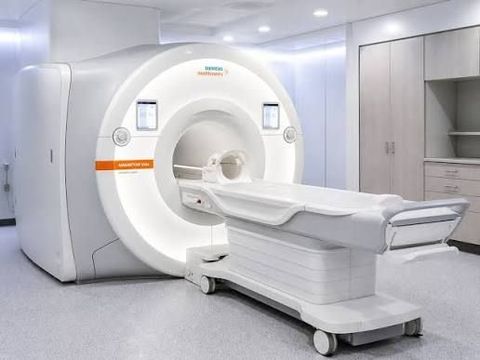
  • Magnetic Resonance Imaging (MRI)
  • Ultrasound imaging

The choice of imaging depends on the clinical situation and physician recommendations.

Surgical Navigation Systems

Advanced ENT surgeries may utilize navigation technology.

Potential functions include:

  • Anatomical guidance
  • Instrument positioning
  • Image integration
  • Surgical planning

Navigation systems assist surgeons during selected procedures.

Powered Surgical Instruments

Modern ENT surgery frequently employs powered devices.

Examples include:

  • Microdebriders
  • Surgical drills
  • Bone-cutting systems
  • Powered handpieces

These instruments are designed for precision during specific procedures.

Medical Laser Systems

Laser technology is used in certain ENT procedures.

Common laser types include:

  • CO₂ lasers
  • Diode lasers
  • KTP lasers

Laser selection depends on the procedure and clinical requirements.

Suction Systems

Medical suction equipment assists during examinations and procedures.

Typical components include:

  • Vacuum pump
  • Collection container
  • Suction tubing
  • Adjustable pressure controls

Proper maintenance is essential for safe operation.

Sterilization Equipment

Medical instruments require appropriate cleaning and sterilization.

Common equipment includes:

  • Steam sterilizers
  • Instrument washers
  • Ultrasonic cleaners
  • Drying cabinets

Sterilization procedures follow healthcare infection-control standards.

Digital Medical Records Integration

Many modern ENT systems integrate with electronic medical records.

Potential capabilities include:

  • Image storage
  • Test result documentation
  • Patient history management
  • Report generation

Integration supports clinical workflow and documentation.

Artificial Intelligence in ENT

AI technologies are increasingly supporting healthcare systems.

Potential applications include:

  • Image analysis
  • Voice assessment support
  • Hearing data evaluation
  • Workflow optimization
  • Clinical decision support

AI assists healthcare professionals but does not replace clinical judgment.

Factors Influencing Equipment Selection

Healthcare facilities evaluate several factors when selecting ENT equipment.

These may include:

  • Clinical requirements
  • Available technology
  • Imaging quality
  • Digital integration
  • Ease of maintenance
  • Regulatory compliance
  • Staff training needs

Requirements vary according to healthcare settings and patient services.

Healthcare Technology Trends in 2026

Several innovations continue shaping ENT technology.

Current developments include:

  • AI-assisted diagnostics
  • High-definition endoscopy
  • Digital imaging platforms
  • Computer-assisted surgery
  • Cloud-based medical records
  • Smart examination systems
  • Improved surgical visualization
  • Integrated diagnostic workstations

These technologies continue improving efficiency and supporting patient care.

Frequently Asked Questions

What is ENT equipment?

ENT equipment consists of specialized medical devices used to examine, diagnose, and assist in treating conditions affecting the ear, nose, throat, head, and neck.

What is an otoscope used for?

An otoscope is used to examine the ear canal and eardrum during routine clinical assessments.

Why are endoscopes important in ENT?

Endoscopes provide detailed visualization of internal structures, helping healthcare professionals examine the nasal passages, throat, and related anatomy.

What does an audiometer measure?

An audiometer evaluates hearing ability through various hearing tests, including pure-tone and speech audiometry.

How is AI used in ENT technology?

AI may assist with medical image analysis, hearing assessment support, workflow optimization, and clinical decision support while remaining under the supervision of qualified healthcare professionals.

Conclusion

ENT equipment and machinery combine advanced optics, digital imaging, precision instruments, diagnostic systems, and computer-assisted technologies to support the examination and management of ear, nose, and throat conditions. From routine examinations to minimally invasive surgical procedures, these technologies continue to enhance visualization, documentation, and clinical efficiency.

As healthcare technology advances through AI, digital integration, high-definition imaging, and smart surgical systems, ENT equipment is expected to become increasingly connected, precise, and supportive of modern patient care.

Disclaimer

This article is intended solely for informational and educational purposes. It does not provide medical, surgical, diagnostic, regulatory, engineering, purchasing, or professional healthcare advice. It does not endorse, recommend, compare, rank, review, market, or promote any manufacturer, medical device, healthcare provider, software platform, or clinical technology. Equipment specifications, clinical applications, regulatory approvals, and operational procedures vary by manufacturer, healthcare facility, and jurisdiction. Readers should consult qualified healthcare professionals and authorized medical device documentation for clinical guidance and technical information.

author-image

Ravi Shankar Maurya

We create purposeful content that speaks, resonates, and drives action.

July 07, 2026 . 10 min read