Jump to a Chapter

Understanding Patient Transfer Trolleys: Medical Transport Equipment and Safety Technology

Understanding Patient Transfer Trolleys: Medical Transport Equipment and Safety Technology

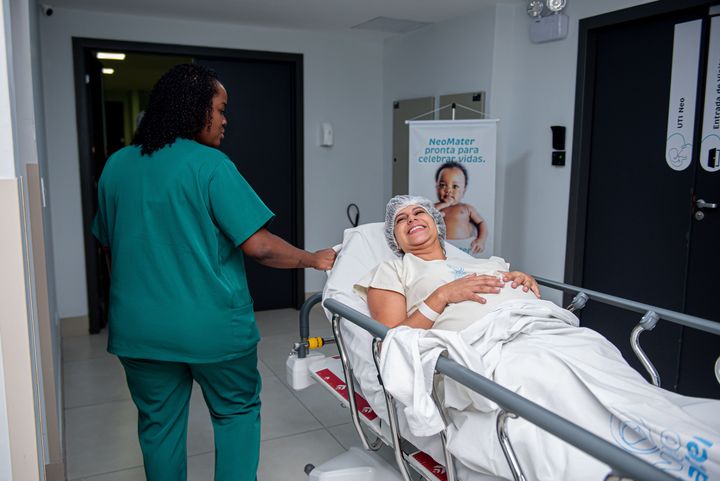
Patient transfer trolleys are specialized medical transport devices designed to safely move patients within healthcare facilities. They play an important role in hospitals, emergency departments, surgical centers, diagnostic units, and intensive care settings by supporting smooth and secure patient transportation between treatment areas.


Modern patient transfer trolleys combine adjustable positioning, ergonomic controls, advanced mobility systems, and patient safety features to improve comfort and assist healthcare professionals during transfers. Many contemporary models also incorporate electronic controls, integrated accessories, and smart monitoring capabilities that enhance operational efficiency.

This guide explores patient transfer trolleys, their features, transport technology, safety systems, and healthcare applications from an educational perspective. It does not provide medical, clinical, purchasing, regulatory, or professional healthcare advice.

What Is a Patient Transfer Trolley?

A patient transfer trolley is a wheeled medical transport platform used to move patients safely between departments within a healthcare facility.

They are commonly used in:

  • Hospitals
  • Emergency departments
  • Intensive Care Units (ICUs)
  • Surgical centers
  • Radiology departments
  • Recovery units
  • Outpatient healthcare facilities

Transfer trolleys are designed to improve patient stability while supporting efficient movement.

Primary Functions

Patient transfer trolleys help healthcare professionals:

  • Transport patients between departments
  • Support pre-operative and post-operative movement
  • Facilitate emergency patient transfers
  • Improve patient positioning
  • Enhance caregiver efficiency

They are intended for supervised medical transport within healthcare environments.

Main Components

A modern patient transfer trolley typically includes:

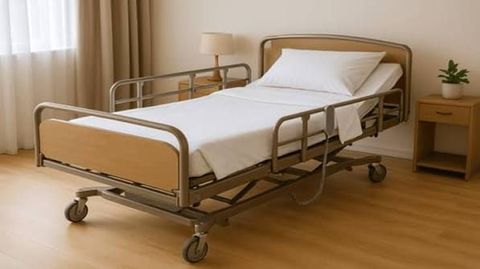
  • Patient support platform
  • Adjustable backrest
  • Height-adjustable frame
  • Side rails
  • Mattress support surface
  • Caster wheels
  • Braking system
  • Push handles
  • IV pole mounting points
  • Accessory rails

Each component contributes to safe and efficient patient movement.

Types of Patient Transfer Trolleys

Healthcare facilities use different trolley designs depending on clinical requirements.

Standard Transfer Trolleys

Used for routine patient movement throughout hospitals.

Emergency Trolleys

Designed for rapid transport in emergency care settings with compatibility for emergency equipment.

Hydraulic Transfer Trolleys

Use hydraulic mechanisms for height adjustment and patient positioning.

Electric Transfer Trolleys

Incorporate motorized systems that allow electronic adjustment of height and positioning.

Radiology-Compatible Trolleys

Designed to accommodate imaging procedures with materials suitable for diagnostic equipment.

Adjustable Positioning

Modern transfer trolleys provide multiple positioning options.

Common adjustments include:

  • Backrest elevation
  • Height adjustment
  • Leg support positioning
  • Trendelenburg position
  • Reverse Trendelenburg position

These adjustments assist with patient comfort and clinical procedures.

Mobility Features

Smooth transportation is supported through advanced mobility systems.

Common features include:

  • Medical-grade caster wheels
  • 360-degree swivel wheels
  • Directional steering assistance
  • Central braking systems
  • Easy maneuverability

Mobility features help staff navigate corridors, elevators, and treatment areas.

Patient Safety Features

Safety systems are essential components of transfer trolleys.

Typical features include:

  • Locking side rails
  • Wheel brakes
  • Patient restraint straps
  • Anti-slip mattress surfaces
  • Stable frame construction
  • Secure locking mechanisms

Safety features should always be used according to healthcare facility protocols.

Mattress Systems

Transfer trolleys often include specialized patient support surfaces.

Examples include:

  • Foam mattresses
  • Pressure-distributing mattresses
  • Waterproof covers
  • Easy-clean surfaces

The mattress type depends on clinical use and patient care requirements.

Hydraulic and Electric Systems

Many modern transfer trolleys offer assisted adjustment systems.

Hydraulic Systems

Provide smooth manual height adjustment using hydraulic mechanisms.

Electric Systems

Use electric actuators controlled by push-button panels or handheld controls.

The choice depends on healthcare facility preferences and operational needs.

Ergonomic Design

Ergonomic features improve comfort for both patients and caregivers.

Design elements may include:

  • Comfortable patient positioning
  • Adjustable push handles
  • Low-effort steering
  • Accessible controls
  • Smooth adjustment mechanisms

These features help reduce physical strain during patient transport.

Infection Control

Transfer trolleys are designed to support hospital hygiene standards.

Common features include:

  • Seamless surfaces
  • Corrosion-resistant finishes
  • Easy-to-clean materials
  • Fluid-resistant mattress covers
  • Removable accessories

Cleaning and disinfection procedures follow established infection-control guidelines.

Accessory Compatibility

Many transfer trolleys support additional medical accessories.

Examples include:

  • IV poles
  • Oxygen cylinder holders
  • Monitor mounting brackets
  • Storage baskets
  • Medical equipment rails

Accessory compatibility varies by manufacturer and model.

Digital Technology Integration

Some advanced transfer trolleys include electronic features.

Potential capabilities include:

  • Battery-powered adjustments
  • Digital control panels
  • Battery status indicators
  • Equipment diagnostics
  • Usage monitoring

These technologies support efficient equipment management.

Artificial Intelligence and Smart Healthcare

AI technologies are gradually influencing hospital equipment management.

Potential applications include:

  • Predictive maintenance
  • Equipment utilization analysis
  • Fleet management
  • Workflow optimization
  • Digital asset tracking

AI supports healthcare operations while clinical decisions remain the responsibility of qualified professionals.

Factors Influencing Transfer Trolley Selection

Healthcare organizations evaluate several factors before selecting transfer equipment.

These include:

  • Intended clinical application
  • Patient weight capacity
  • Mobility requirements
  • Adjustment mechanisms
  • Safety features
  • Maintenance needs
  • Infection-control considerations
  • Compatibility with existing equipment

Selection depends on the healthcare environment and operational requirements.

Healthcare Technology Trends in 2026

Several innovations continue shaping patient transport equipment.

Current developments include:

  • Electric height-adjustment systems
  • Lightweight alloy frames
  • Smart braking technology
  • Connected equipment management
  • Improved ergonomic controls
  • Advanced pressure-support surfaces
  • Digital maintenance tracking
  • Enhanced patient safety systems

These innovations continue improving healthcare efficiency and patient support.

Frequently Asked Questions

What is a patient transfer trolley?

A patient transfer trolley is a mobile medical transport platform used to safely move patients within hospitals and other healthcare facilities.

Where are patient transfer trolleys commonly used?

They are commonly used in emergency departments, operating theaters, intensive care units, radiology departments, recovery rooms, and general hospital wards.

What are the benefits of adjustable positioning?

Adjustable positioning supports patient comfort, assists with clinical procedures, and improves caregiver ergonomics during transport.

What is the difference between hydraulic and electric trolleys?

Hydraulic trolleys use mechanical hydraulic systems for adjustment, while electric trolleys use motorized actuators controlled electronically.

Why are locking side rails important?

Locking side rails help provide additional patient support and contribute to transport safety when used according to healthcare procedures.

Conclusion

Patient transfer trolleys are essential medical transport devices that combine mobility, ergonomic design, adjustable positioning, and advanced safety systems to support patient movement throughout healthcare facilities. From routine hospital transfers to emergency transport, these devices contribute to patient comfort and operational efficiency.

As healthcare technology continues to evolve through digital controls, smart equipment management, lightweight materials, and AI-assisted maintenance systems, patient transfer trolleys are expected to become even more efficient, connected, and supportive of modern healthcare delivery.

Disclaimer

This article is intended solely for informational and educational purposes. It does not provide medical, clinical, emergency response, engineering, purchasing, regulatory, or professional healthcare advice. It does not endorse, recommend, compare, rank, review, market, or promote any manufacturer, healthcare provider, medical device, software platform, or equipment supplier. Equipment specifications, operational procedures, safety features, and regulatory requirements vary by manufacturer, healthcare organization, and jurisdiction. Readers should consult qualified healthcare professionals and official medical device documentation for clinical guidance and technical information.

author-image

Ravi Shankar Maurya

We create purposeful content that speaks, resonates, and drives action.

July 15, 2026 . 9 min read