Jump to a Chapter

Medical Examination Table Guide: Types, Features, and Hospital Equipment Explained

Medical Examination Table Guide: Types, Features, and Hospital Equipment Explained

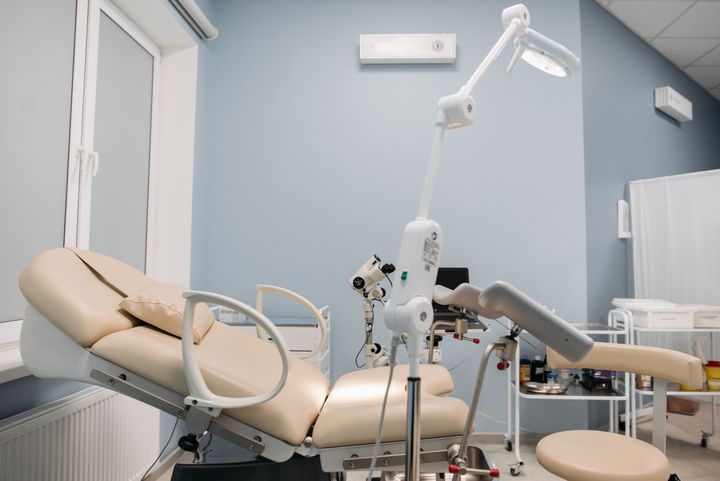
Medical examination tables are essential pieces of healthcare equipment used during routine physical examinations, diagnostic assessments, patient consultations, and minor medical procedures. They provide a stable, comfortable, and accessible surface that supports both patients and healthcare professionals across a wide range of clinical environments.

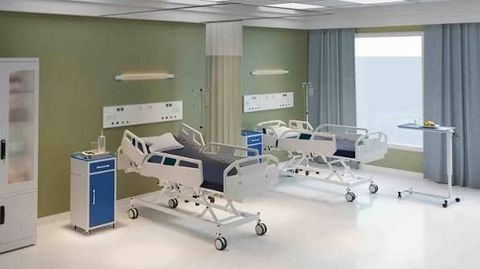
Modern examination tables are designed with adjustable positioning, ergonomic construction, durable materials, and patient safety features. Many advanced models also incorporate electric height adjustment, integrated storage, mobility systems, and digital control options that help improve workflow within healthcare facilities.

This guide explains the different types of medical examination tables, their features, clinical applications, and technological advancements from an educational perspective. It does not provide medical, clinical, engineering, purchasing, regulatory, or professional healthcare advice.

What Is a Medical Examination Table?

A medical examination table is a specialized healthcare platform designed to support patients during physical examinations, consultations, diagnostic procedures, and certain outpatient treatments.

These tables are commonly used in:

  • Hospitals
  • General physician clinics
  • Specialty medical clinics
  • Outpatient departments
  • Community health centers
  • Diagnostic laboratories
  • Physiotherapy centers

Different examination tables are designed according to clinical specialties and intended use.

Primary Functions

Medical examination tables support healthcare professionals by providing:

  • Stable patient positioning
  • Comfortable examination surfaces
  • Easy patient access
  • Adjustable working height
  • Support during medical assessments
  • Assistance during minor clinical procedures

Their design contributes to efficient patient care and improved ergonomics.

Main Components

A modern examination table typically includes:

  • Patient support surface
  • Adjustable backrest
  • Frame structure
  • Height adjustment mechanism
  • Mattress or cushion
  • Side supports (on selected models)
  • Paper roll holder
  • Storage drawers or shelves
  • Lockable caster wheels (for mobile models)

Each component is designed to improve functionality and patient comfort.

Types of Medical Examination Tables

Healthcare facilities use different examination tables depending on clinical requirements.

Standard Examination Tables

Used for general physical examinations and routine consultations.

Electric Examination Tables

Powered by electric actuators that allow smooth height and backrest adjustments.

Hydraulic Examination Tables

Utilize hydraulic systems for manual height adjustment with minimal effort.

Gynecological Examination Tables

Designed with specialized supports and positioning features for women's healthcare examinations.

Pediatric Examination Tables

Sized for infants and children, often including measurement scales and safety features.

Bariatric Examination Tables

Built with reinforced frames and wider surfaces to support higher patient weight capacities.

Adjustable Features

Modern examination tables often include multiple adjustment options.

Common adjustments include:

  • Backrest elevation
  • Height adjustment
  • Leg section adjustment (selected models)
  • Trendelenburg positioning (specialized models)
  • Reverse Trendelenburg positioning (specialized models)

Adjustability helps improve patient comfort while supporting clinical examinations.

Electric Control Systems

Electric examination tables commonly feature:

  • Handheld remote controls
  • Foot-operated switches
  • Side-mounted control panels
  • Quiet electric motors
  • Smooth positioning adjustments

Motorized systems reduce physical effort for healthcare professionals.

Ergonomic Design

Ergonomics plays an important role in examination table design.

Benefits include:

  • Easier patient access
  • Reduced caregiver strain
  • Comfortable working height
  • Improved examination efficiency
  • Better patient positioning

Ergonomic equipment supports daily clinical workflows.

Patient Comfort

Patient comfort is supported through various design elements.

Common features include:

  • High-density foam cushions
  • Soft upholstery
  • Rounded edges
  • Adjustable headrests
  • Pressure-distributing support surfaces

Comfort levels vary depending on the table design and intended application.

Safety Features

Modern examination tables incorporate several safety mechanisms.

Typical features include:

  • Stable frame construction
  • Anti-slip feet or locking wheels
  • Rounded corners
  • Secure adjustment mechanisms
  • Weight capacity labeling
  • Protective edge design

Safe operation depends on proper use and regular maintenance.

Mobility Features

Some examination tables are designed for easy movement.

Mobility features may include:

  • Lockable caster wheels
  • Directional wheel systems
  • Lightweight frame construction
  • Easy maneuverability

Stationary tables generally use fixed support legs for maximum stability.

Upholstery Materials

Healthcare furniture uses durable materials that support hygiene and long-term use.

Common upholstery characteristics include:

  • Medical-grade vinyl
  • Fluid-resistant surfaces
  • Tear-resistant covers
  • Easy-to-clean materials
  • Chemical-resistant finishes

Material selection depends on clinical requirements and cleaning protocols.

Infection Control

Healthcare facilities follow strict hygiene practices for examination equipment.

Examination tables often feature:

  • Smooth surfaces
  • Minimal seams
  • Moisture-resistant upholstery
  • Corrosion-resistant frames
  • Easily disinfected components

Cleaning procedures follow healthcare infection-control guidelines.

Storage and Accessories

Many examination tables support additional accessories.

Examples include:

  • Paper roll holders
  • Instrument trays
  • Storage drawers
  • Shelving compartments
  • Arm supports
  • Footrests
  • Step stools

Accessory availability varies by model.

Digital Technology Integration

Some advanced examination tables include electronic technologies.

Possible features include:

  • Digital control panels
  • Position memory functions
  • Battery backup
  • Equipment diagnostics
  • Maintenance reminders

Technology integration depends on the manufacturer and healthcare facility.

Artificial Intelligence in Healthcare Equipment

AI technologies are gradually supporting healthcare equipment management.

Potential applications include:

  • Equipment usage analysis
  • Predictive maintenance
  • Asset tracking
  • Workflow optimization
  • Maintenance scheduling

AI supports operational efficiency while clinical decisions remain under the responsibility of qualified healthcare professionals.

Factors Influencing Examination Table Selection

Healthcare organizations consider multiple factors when selecting examination tables.

These include:

  • Clinical specialty
  • Patient population
  • Adjustment requirements
  • Weight capacity
  • Available space
  • Mobility needs
  • Maintenance considerations
  • Infection-control requirements

Selection depends on the intended healthcare environment.

Healthcare Technology Trends in 2026

Several developments continue shaping examination table technology.

Current trends include:

  • Electric height adjustment
  • Smart control systems
  • Lightweight alloy frames
  • Improved ergonomic designs
  • Advanced upholstery materials
  • Connected equipment management
  • Enhanced patient safety features
  • Digital maintenance monitoring

These innovations continue improving efficiency and patient support within healthcare facilities.

Frequently Asked Questions

What is a medical examination table?

A medical examination table is specialized healthcare equipment used to support patients during physical examinations, consultations, diagnostic procedures, and certain outpatient treatments.

What types of examination tables are available?

Common types include standard, electric, hydraulic, gynecological, pediatric, and bariatric examination tables.

Why are adjustable examination tables useful?

Adjustable tables improve patient positioning, increase caregiver comfort, and accommodate a variety of clinical examinations and procedures.

What materials are commonly used?

Medical examination tables typically use steel or aluminum frames with high-density foam cushions and medical-grade vinyl upholstery designed for durability and hygiene.

Can examination tables include electronic controls?

Yes. Many modern examination tables incorporate electric height adjustment, electronic control panels, and programmable positioning features.

Conclusion

Medical examination tables are fundamental pieces of healthcare equipment that combine patient comfort, ergonomic design, safety features, and adjustable positioning to support clinical examinations across a wide range of medical specialties. Their adaptable designs contribute to efficient workflows while helping healthcare professionals provide quality patient care.

As healthcare technology continues to evolve, examination tables are becoming increasingly advanced through electric positioning systems, digital controls, smart equipment management, and improved infection-control materials, supporting the future of modern healthcare environments.

Disclaimer

This article is intended solely for informational and educational purposes. It does not provide medical, clinical, engineering, regulatory, purchasing, or professional healthcare advice. It does not endorse, recommend, compare, rank, review, market, or promote any manufacturer, healthcare provider, medical device, software platform, or equipment supplier. Equipment specifications, clinical applications, safety features, operational procedures, and regulatory approvals vary by manufacturer, healthcare facility, and jurisdiction. Readers should consult qualified healthcare professionals and official medical device documentation for clinical guidance and technical information.


author-image

Ravi Shankar Maurya

We create purposeful content that speaks, resonates, and drives action.

July 15, 2026 . 10 min read