Posture Correction Technology: Guide to Better Posture, Comfort, and Spinal Health
Posture plays an important role in daily comfort, body balance, and spinal health.
Many people spend long hours sitting at desks, looking at phones, or working in positions that place stress on the neck and back. Over time, poor posture can lead to muscle strain, stiffness, headaches, and reduced flexibility.
Posture correction technology is designed to help people understand and improve the way they sit, stand, and move. Modern tools now use sensors, digital monitoring, and wearable designs to encourage healthier body alignment throughout the day.
These technologies are becoming increasingly common in offices, fitness environments, educational spaces, and even at home. Devices such as a wearable posture tracking sensor can help users notice unhealthy habits before they become long-term problems. As awareness of spinal health grows, more people are exploring posture-related tools to improve comfort and movement.
Understanding the Concept
Posture correction technology refers to modern equipment and digital systems that help monitor body alignment and movement patterns. The main goal is to encourage healthier posture habits and reduce stress on muscles and joints.
Traditional posture support products mainly focused on physical support. Newer technology combines posture guidance with smart monitoring features. This creates a more interactive and educational experience for users.
A smart posture corrector device may include:
- Motion sensors
- Vibration alerts
- Body alignment tracking
- Mobile connectivity
- Activity monitoring
- Daily posture reports
These systems are designed to help users become more aware of slouching, forward head movement, and uneven shoulder positioning.
For example, someone working at a computer for several hours may begin leaning forward without noticing. A posture monitoring device can detect this movement and gently remind the person to straighten their back and shoulders.
Key Types or Categories
Different posture technologies are designed for different lifestyles and needs. Some focus on workplace comfort, while others support physical activity or rehabilitation exercises.
Wearable Devices
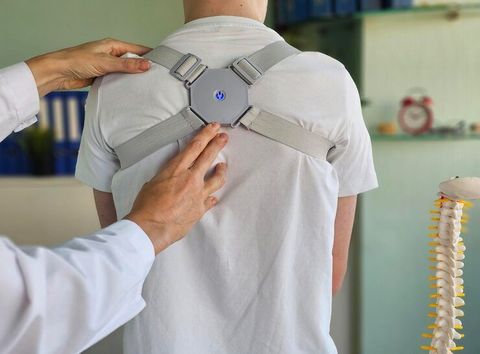
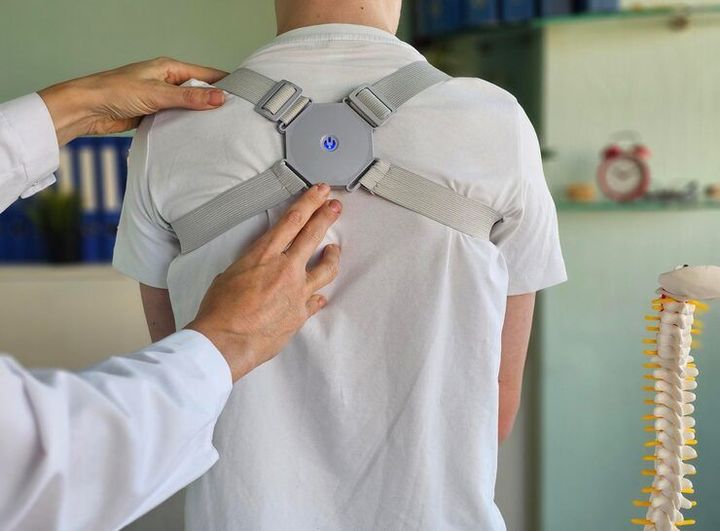
Wearable posture tools are among the most common options today. These lightweight products are placed around the upper back, shoulders, or chest area.
Features often include:
- Real-time posture feedback
- Movement tracking
- Gentle vibration reminders
- Daily activity summaries
A wearable posture tracking sensor continuously measures body positioning throughout the day. This helps users identify habits that contribute to poor posture.
Smart Seating Systems
Some chairs now include posture monitoring technology built directly into the seating structure. These systems can detect sitting pressure and spinal alignment.
Common features include:
- Sitting posture analysis
- Pressure distribution tracking
- Adjustable lumbar support
- Movement reminders
These systems are especially useful in office environments where people remain seated for long periods.
Spine Monitoring Equipment
Advanced posture systems sometimes use an electronic spine monitoring system to analyze spinal positioning and body movement in greater detail.
These systems may be used in:
- Physical therapy environments
- Athletic training centers
- Research facilities
- Wellness programs
They help track spinal movement patterns and body mechanics over time.
Mobile-Connected Posture Tools
Some posture technologies connect with mobile applications to provide visual posture reports and movement history.
These platforms may include:
- Posture scoring
- Stretch reminders
- Sitting duration alerts
- Daily posture summaries
- Exercise recommendations
This approach helps users better understand how posture changes throughout the day.
Important Subsections
Neck and Shoulder Alignment
Forward head posture is one of the most common modern posture issues. It often develops from excessive screen use.
When the head leans forward repeatedly:
- Neck muscles become strained
- Shoulder tension increases
- Upper back discomfort may develop
Posture technology helps users recognize these habits early.
Lower Back Support
The lower back naturally contains a slight inward curve. Poor sitting posture can flatten or exaggerate this curve, creating pressure on spinal structures.
Modern posture systems help users maintain balanced sitting positions through reminders and ergonomic guidance.
Movement Awareness
Healthy posture is not only about sitting straight. Body movement also matters.
Many posture devices encourage:
- Regular stretching
- Position changes
- Walking breaks
- Better standing habits
Movement awareness helps reduce stiffness caused by staying in one position for too long.
How It Works
Posture correction technology generally follows a simple monitoring and feedback process.
Step 1: Position Detection
Sensors measure body alignment and movement patterns. They track areas such as:
- Shoulder position
- Neck angle
- Back curvature
- Sitting pressure
Step 2: Movement Analysis
The device compares body positioning with healthy posture guidelines. If slouching or imbalance is detected, the system records the change.
Step 3: Feedback Notification
Many devices use gentle vibration or visual alerts to notify the user about posture changes.
For example:
- A vibration may occur when shoulders round forward
- A phone notification may suggest a movement break
- A posture score may appear in an activity dashboard
Step 4: Habit Improvement
Over time, repeated feedback helps users develop stronger posture awareness. This gradual learning process encourages healthier habits naturally.
Benefits and Advantages
Posture correction technology provides several practical advantages for everyday life.
Improved Body Awareness
Many people are unaware of their posture habits. Real-time feedback increases awareness and encourages self-correction.
Better Workplace Comfort
Long desk sessions can create tension in the neck, shoulders, and back. Posture guidance helps reduce unnecessary strain during work activities.
Support for Spinal Health
Balanced posture reduces pressure on muscles and joints. This may support better spinal alignment and movement efficiency.
Encouragement for Healthy Movement
Some devices remind users to stand, stretch, or move regularly. This can help reduce stiffness caused by inactivity.
Useful for Fitness Activities
Athletes and fitness enthusiasts often use posture tracking to improve exercise form and body mechanics.
Educational Value
Posture technology helps users understand how daily habits affect body positioning. This learning process can encourage long-term lifestyle improvements.
Real-World Examples or Applications
Posture correction technology is now used in many everyday situations.
Office Environments
Office workers frequently experience neck and back discomfort due to prolonged sitting.
A smart posture corrector device can help workers maintain healthier desk posture by providing gentle reminders throughout the day.
Educational Settings
Students often spend many hours reading or using digital devices. Posture monitoring systems can encourage healthier study habits and sitting positions.
Fitness and Training
Fitness trainers may use posture tracking during exercises such as:
- Squats
- Deadlifts
- Yoga
- Pilates
- Stretching sessions
Better alignment can improve movement quality and body control.
Rehabilitation Support
Some rehabilitation programs use posture analysis systems to observe movement patterns and track progress during recovery exercises.
Home Use
Many people now use wearable posture tools during remote work, gaming, or screen-related activities at home.
Important Factors to Understand
Before using posture technology, several important considerations should be understood.
Consistency Matters
Posture improvement takes time. Technology works best when used regularly and combined with healthy daily habits.
Movement Is Essential
Even good posture can become uncomfortable if the body remains still for long periods. Regular movement remains important for overall comfort.
Comfort and Fit
Wearable posture devices should fit comfortably without restricting movement. Poorly fitted equipment may reduce effectiveness.
Technology Is a Guidance Tool
These systems are designed to encourage awareness and healthier habits. They are not a replacement for professional medical evaluation when serious pain or spinal concerns exist.
Screen Habits Also Matter
Posture is strongly connected to device usage habits. Screen height, desk arrangement, and sitting position all influence body alignment.
Helpful adjustments may include:
- Raising monitor height
- Using supportive seating
- Keeping feet flat on the floor
- Taking regular movement breaks
Future Trends and Industry Insights
Posture technology continues to evolve as sensor systems and digital health tools become more advanced.
Future developments may include:
AI-Based Posture Analysis
Artificial intelligence may improve posture tracking accuracy by analyzing body movement patterns in real time.
Smart Workplace Integration
Office environments may increasingly include posture-aware desks and seating systems that adapt automatically to user movement.
Advanced Wearable Technology
Future wearable posture tracking sensor designs may become smaller, lighter, and more comfortable for daily use.
Real-Time Health Insights
More advanced systems may combine posture tracking with breathing patterns, stress monitoring, and movement analysis.
Personalized Guidance
Future posture tools may provide customized recommendations based on individual movement habits and daily routines.
Expanded Wellness Applications
An electronic spine monitoring system may become more common in wellness programs, sports training, and ergonomic education initiatives.
As awareness of spinal health grows, posture technology is likely to become part of broader health and comfort strategies in everyday life.
Conclusion
Posture correction technology is helping people become more aware of how they sit, stand, and move during daily activities. Through wearable sensors, movement tracking, and posture feedback systems, these tools encourage healthier body alignment and improved comfort.
Modern solutions such as a wearable posture tracking sensor, a smart posture corrector device, and an electronic spine monitoring system provide useful insights into posture habits and movement patterns. They can support workplace comfort, fitness training, and general spinal awareness.
Although posture technology cannot replace healthy movement and balanced daily habits, it can serve as a valuable educational tool for improving posture awareness over time. As technology continues to evolve, posture monitoring systems may become an even more common part of everyday wellness and ergonomic practices.
Disclaimer
The information provided in this article is for informational purposes only. We do not make any claims or guarantees regarding the accuracy, reliability, or completeness of the information presented. The content is not intended as professional advice and should not be relied upon as such. Readers are encouraged to conduct their own research and consult with appropriate professionals before making any decisions based on the information provided in this article.