Digital Blood Pressure Devices: Guide to Accurate and Easy Health Monitoring
Digital blood pressure devices have become an important part of modern health monitoring. Many people now check their blood pressure at home to better understand their daily health condition.
These devices are designed to provide quick readings in a simple and comfortable way.
High blood pressure, also called hypertension, often develops without clear symptoms. Because of this, regular monitoring can help people stay informed about changes in their health. Digital monitors make this process easier by removing the need for complex manual methods.
Today, many households use best home bp monitors to track blood pressure regularly. These devices are commonly used by older adults, fitness enthusiasts, and people who want to maintain healthy routines. Modern technology has also improved reading accuracy and user convenience.
This guide explains how digital blood pressure devices work, their main types, practical benefits, and important points to understand before using them.
Understanding the Concept
A digital blood pressure device measures the force of blood moving through the arteries. The monitor usually displays two numbers:
- Systolic pressure: pressure when the heart pumps blood
- Diastolic pressure: pressure when the heart rests between beats
For example, a reading of 120/80 mmHg is generally considered within a healthy range for many adults.
Traditional blood pressure measurement required a stethoscope and manual pumping. Digital devices simplify this process through automated measurement systems.
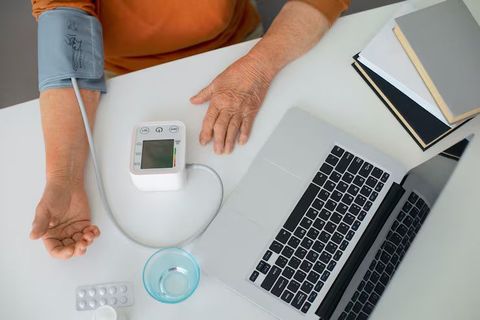
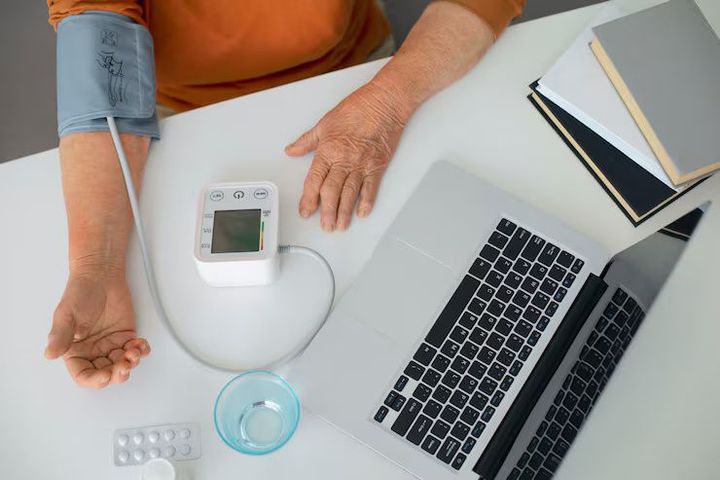
Most modern monitors use an automatic blood pressure cuff that inflates and deflates on its own. The device senses blood flow changes and converts them into readable digital results.
Many units now include:
- Large display screens
- Memory storage
- Irregular heartbeat alerts
- Multi-user tracking
- Wireless data sharing
These features help users monitor health more comfortably at home.
Key Types or Categories
Digital blood pressure devices come in several forms. Each type is designed for different user preferences and monitoring situations.
Upper Arm Monitors
Upper arm devices are among the most commonly used options. The cuff wraps around the upper arm and provides reliable readings when positioned correctly.
Advantages include:
- Stable measurements
- Easy-to-read screens
- Suitable for regular home monitoring
- Commonly recommended for adults
Many best home bp monitors belong to this category because they balance convenience and accuracy.
Wrist Blood Pressure Monitors
Wrist monitors are smaller and easier to carry. They are useful for travel and quick readings.
Key characteristics:
- Compact design
- Lightweight structure
- Easy storage
- Convenient for movement
However, wrist placement must be correct to achieve dependable results.
Finger Blood Pressure Devices
Finger monitors are less common today. While they are portable, readings may vary more compared to upper arm monitors.
These devices are generally used for casual monitoring rather than detailed long-term tracking.
Smart Connected Monitors
Modern digital systems now include wireless features that connect with mobile devices and health platforms.
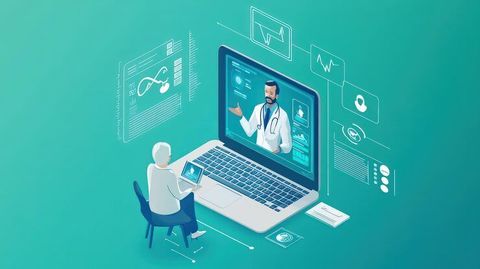
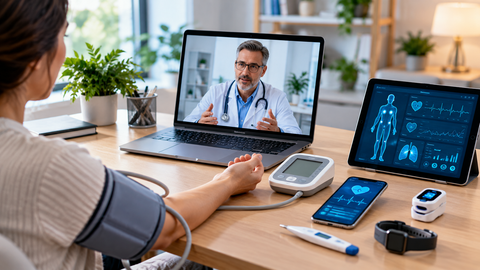
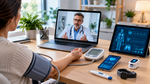
These advanced units support remote patient monitoring bp devices that allow healthcare professionals or family members to review readings from different locations.
This approach is becoming more popular for long-term health tracking and elderly care support.
Important Subsections
Display and Readability
A clear display is important for easy monitoring. Many digital devices now include:
- Large numbers
- Bright screens
- Simple symbols
- Easy navigation buttons
Older adults especially benefit from larger displays and voice guidance systems.
Memory Storage Functions
Memory storage allows users to compare readings over time. This helps identify trends and daily changes.
Some devices can store:
- Weekly averages
- Morning and evening readings
- Multiple user profiles
Tracking patterns over several months can provide useful health insights.
Cuff Size and Fit
Proper cuff fit is very important for accurate readings. A cuff that is too tight or too loose may produce incorrect results.
Many automatic blood pressure cuff models come in different sizes for better comfort and precision.
Battery and Power Options
Digital monitors typically operate using:
- Rechargeable batteries
- Standard batteries
- USB charging systems
Portable battery-powered devices are useful during travel or outdoor activities.
How It Works
Digital blood pressure devices follow a simple automated process.
Step 1: Positioning the Cuff
The cuff is wrapped around the upper arm or wrist depending on the device type. Correct positioning is necessary for stable readings.
Step 2: Inflation Process
The monitor inflates the cuff automatically. Pressure temporarily slows blood flow in the artery.
Step 3: Pressure Detection
As the cuff slowly releases air, sensors detect blood movement and artery vibrations.
Step 4: Digital Calculation
The monitor calculates systolic and diastolic pressure values using built-in algorithms.
Step 5: Displaying Results
The final readings appear on the screen within seconds.
Some advanced monitors also detect:
- Pulse rate
- Irregular heartbeat patterns
- Average readings
- Movement errors
This automated process makes home monitoring simple for people without medical training.
Benefits and Advantages
Digital blood pressure devices provide several practical advantages for everyday health awareness.
Easy Home Monitoring
People can monitor blood pressure without visiting a clinic regularly. This is especially useful for older adults and busy individuals.
Quick Results
Most devices provide readings within one minute. Fast measurements encourage regular checking habits.
Better Health Awareness
Frequent monitoring helps users understand how:
- Stress
- Sleep
- Exercise
- Diet
- Daily routines
can influence blood pressure levels.
Comfortable Operation
An automatic blood pressure cuff reduces manual effort and simplifies the monitoring process.
Tracking Long-Term Patterns
Stored readings help users observe changes over weeks or months. Consistent tracking can support healthier daily habits.
Helpful for Family Care
Digital monitors are useful for families caring for elderly relatives. Smart connected devices can support remote patient monitoring bp devices for shared health observation.
Real-World Examples or Applications
Digital blood pressure monitors are used in many everyday situations.
Home Health Tracking
A middle-aged office worker may check blood pressure every morning before work. This routine helps monitor how stress and sleep affect readings.
Elderly Family Monitoring
An older adult living independently may use a smart monitor that automatically stores readings for family review.
Fitness and Wellness Routines
People involved in fitness programs sometimes track blood pressure before and after exercise sessions to better understand body responses.
Rural and Remote Areas
Portable digital devices help people in remote locations monitor health conditions without frequent travel.
Long-Term Health Observation
Some individuals recovering from health conditions may track blood pressure several times daily to maintain awareness of changing patterns.
Important Factors to Understand
Several important points can influence reading quality and monitoring consistency.
Proper Body Position
For better accuracy:
- Sit comfortably
- Keep feet flat on the floor
- Relax for several minutes before measuring
- Avoid talking during the reading
Avoid Immediate Activity
Exercise, caffeine, smoking, or emotional stress can temporarily affect readings.
Many experts recommend waiting at least 30 minutes after intense activity before checking blood pressure.
Consistent Timing
Taking measurements at the same time each day provides more reliable comparisons.
Device Calibration
Digital devices may occasionally require calibration checks to maintain accuracy over time.
Environmental Factors
Extreme temperatures and movement can affect some readings. Calm indoor conditions usually provide better results.
Understanding Reading Variations
Blood pressure naturally changes throughout the day. Small differences between readings are normal.
Regular monitoring helps identify overall trends rather than focusing on a single measurement.
Future Trends and Industry Insights
Digital blood pressure monitoring technology continues to improve rapidly.
Smarter Connectivity
Future monitors will likely include stronger wireless integration with smartphones and wearable health systems.
Artificial Intelligence Support
Advanced systems may analyze long-term reading patterns and provide early warning insights for users.
Compact Wearable Designs
Researchers are exploring lightweight wearable monitors that continuously track blood pressure throughout the day.
Improved Remote Monitoring
Remote patient monitoring bp devices are expected to become more common in home healthcare environments.
These systems may help families and healthcare teams stay informed through secure data sharing.
Enhanced User Guidance
Future devices may include:
- Voice instructions
- Visual posture guidance
- Automatic error detection
- Personalized tracking reports
These features can improve user confidence and consistency.
Greater Accessibility
As technology advances, digital monitors are becoming easier to operate for people of different age groups and experience levels.
Conclusion
Digital blood pressure devices have transformed the way people monitor health at home. Their simple operation, quick results, and comfortable design make regular monitoring easier for everyday users.
Modern best home bp monitors provide helpful features such as memory storage, wireless connectivity, and automatic inflation systems. An automatic blood pressure cuff simplifies the measurement process while improving convenience for users of all ages.
The rise of remote patient monitoring bp devices also shows how connected health technology is shaping the future of personal wellness tracking.
By understanding proper usage, device types, and monitoring habits, individuals can use digital blood pressure devices more effectively as part of a healthy lifestyle routine.
Disclaimer
The information provided in this article is for informational purposes only. We do not make any claims or guarantees regarding the accuracy, reliability, or completeness of the information presented. The content is not intended as professional advice and should not be relied upon as such. Readers are encouraged to conduct their own research and consult with appropriate professionals before making any decisions based on the information provided in this article.