Telemedicine Platforms: Guide to Virtual Healthcare, Key Features, and Patient Care Benefits
Telemedicine platforms have transformed the way people access healthcare.
Instead of traveling to a clinic or hospital for every medical consultation, patients can now connect with healthcare professionals through digital communication tools. This approach makes healthcare more accessible, especially for individuals living in remote locations or those with limited mobility.
Virtual healthcare has gained significant attention in recent years due to advances in digital health technology, remote patient monitoring, and online medical consultation systems. These platforms help improve communication between patients and healthcare providers while supporting efficient patient care.
As healthcare continues to evolve, telemedicine platforms are becoming an important part of modern medical practice. Understanding how they work and their benefits can help patients and healthcare organizations make informed decisions about digital healthcare solutions.
Understanding the Concept
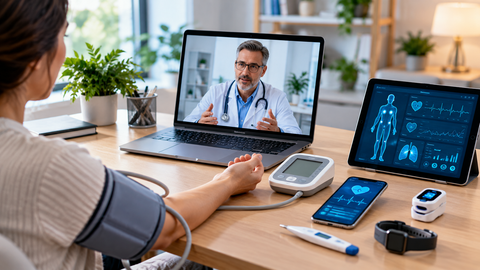
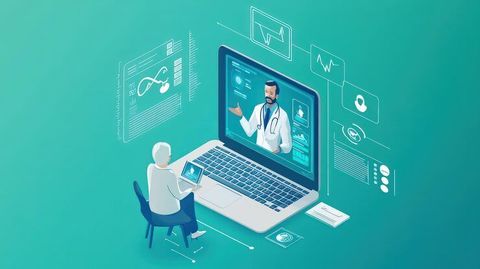
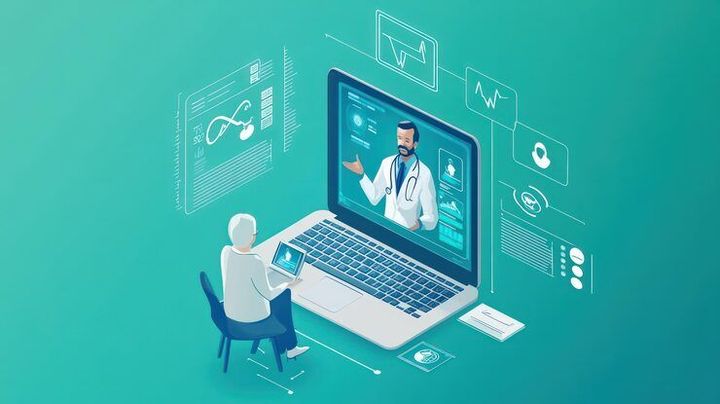
Telemedicine refers to the delivery of healthcare through digital communication technologies. It allows patients and healthcare professionals to interact remotely using video calls, messaging systems, mobile applications, and secure online healthcare platforms.
The primary goal of telemedicine is to make healthcare more convenient and accessible without requiring in-person visits for every situation. Patients can discuss symptoms, receive medical guidance, review treatment plans, and follow up on ongoing health concerns from their homes.
Virtual healthcare platforms act as digital environments where healthcare interactions take place. These platforms often include communication tools, patient records management, appointment scheduling, and remote monitoring capabilities.
For example, a patient experiencing mild flu symptoms may schedule a virtual consultation and receive guidance without visiting a healthcare facility. This saves time while helping healthcare professionals manage patient needs more efficiently.
Key Types or Categories
Telemedicine platforms support various forms of virtual healthcare. Each category serves different patient and healthcare requirements.
Real-Time Virtual Consultations
Real-time consultations involve direct communication between patients and healthcare professionals through video conferencing or audio calls.
Common uses include:
- Routine medical consultations
- Follow-up appointments
- Mental health discussions
- Chronic disease management
- Specialist consultations
This category closely resembles traditional face-to-face appointments while allowing communication from different locations.
Remote Patient Monitoring
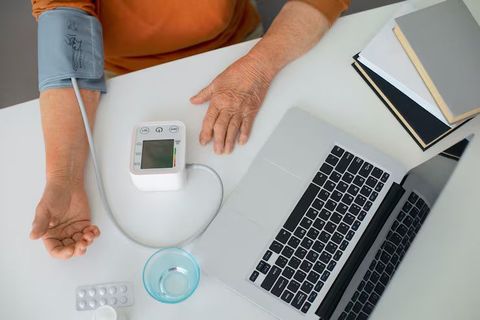
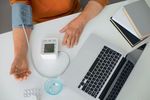
Remote patient monitoring involves tracking health information outside traditional healthcare facilities.
Examples include monitoring:
- Blood pressure
- Heart rate
- Blood glucose levels
- Oxygen saturation
- Physical activity
Healthcare professionals can review patient data remotely and identify potential concerns early.
Store-and-Forward Communication
This method allows patients or healthcare providers to share medical information that can be reviewed later.
Examples include:
- Medical images
- Laboratory reports
- Diagnostic information
- Health records
Healthcare professionals review the information and respond when appropriate.
Mobile Health Applications
Mobile health applications support healthcare access through smartphones and tablets.
These applications may include:
- Appointment scheduling
- Health tracking
- Medication reminders
- Educational resources
- Patient communication tools
Mobile access helps patients stay engaged with their healthcare plans.
Important Subsections
Video Consultation Features
Video consultations are among the most recognizable telemedicine features.
Important capabilities include:
- Face-to-face communication
- Visual symptom assessment
- Secure communication channels
- Appointment scheduling
- Follow-up discussions
These features help create meaningful interactions between patients and healthcare professionals.
Electronic Health Records Integration
Many telemedicine platforms integrate with electronic health records.
This allows healthcare professionals to access:
- Medical history
- Previous diagnoses
- Laboratory results
- Treatment plans
- Medication information
Integrated records support continuity of care and informed decision-making.
Secure Patient Communication
Patient privacy is a critical aspect of digital healthcare.
Modern telemedicine platforms often include:
- Secure messaging
- Protected patient information
- Authentication procedures
- Access controls
These measures help maintain confidentiality during healthcare interactions.
Appointment Management
Efficient appointment management improves patient experiences.
Common scheduling features include:
- Online booking
- Appointment reminders
- Calendar management
- Virtual waiting rooms
- Follow-up scheduling
These tools simplify healthcare coordination.
How It Works
Telemedicine platforms follow a straightforward process that connects patients with healthcare professionals.
Step 1: Patient Registration
Patients create an account and provide basic healthcare information.
Information may include:
- Personal details
- Medical history
- Current medications
- Health concerns
This information helps healthcare professionals prepare for consultations.
Step 2: Appointment Scheduling
Patients select available consultation times through the platform.
Scheduling systems help organize patient visits efficiently while reducing administrative complexity.
Step 3: Virtual Consultation
At the scheduled time, patients connect through a secure communication channel.
During the consultation, healthcare professionals may:
- Review symptoms
- Discuss medical history
- Assess health concerns
- Recommend next steps
- Schedule follow-up care if needed
Step 4: Documentation
Healthcare professionals document consultation details and update patient records.
This creates an organized history of healthcare interactions.
Step 5: Ongoing Monitoring
For chronic conditions or long-term care plans, remote monitoring tools may continue collecting health information.
Healthcare professionals can review this information and adjust treatment approaches when necessary.
Benefits and Advantages
Telemedicine platforms provide numerous advantages for both patients and healthcare organizations.
Improved Healthcare Access
Patients in rural or underserved areas can connect with healthcare professionals without long-distance travel.
This expands access to medical expertise and specialist consultations.
Greater Convenience
Virtual healthcare reduces travel time and waiting room visits.
Patients can often attend consultations from home, making healthcare more manageable within daily schedules.
Enhanced Patient Engagement
Digital communication tools encourage ongoing interaction between patients and healthcare professionals.
Patients can remain actively involved in their health management plans.
Better Chronic Disease Management
Remote patient monitoring helps track long-term health conditions.
Healthcare professionals can review patient information regularly and identify changes that may require attention.
Efficient Healthcare Delivery
Virtual consultations help healthcare organizations manage patient interactions more effectively.
This can improve scheduling flexibility and healthcare accessibility.
Continuity of Care
Digital records and communication tools help maintain consistent healthcare management.
Patients can receive ongoing support and follow-up care more easily.
Real-World Examples or Applications
Telemedicine platforms are used across many healthcare environments.
Primary Care Consultations
Many patients use virtual healthcare for routine consultations involving:
- Common illnesses
- Minor symptoms
- Medication reviews
- Preventive healthcare discussions
These interactions often reduce unnecessary clinic visits.
Mental Health Support
Mental health professionals frequently use virtual consultations to support patients.
Benefits include:
- Flexible communication
- Increased accessibility
- Regular follow-up sessions
- Comfortable consultation environments
Patients may feel more comfortable discussing sensitive topics from familiar surroundings.
Chronic Condition Monitoring
Individuals managing chronic conditions such as diabetes or hypertension can use remote monitoring tools.
Healthcare professionals review health measurements and provide guidance based on collected data.
Post-Treatment Follow-Up
After medical procedures or hospital stays, virtual follow-up consultations help healthcare professionals monitor recovery progress.
Patients can discuss concerns without additional travel.
Specialist Access
Patients living far from major healthcare centers can connect with specialists through telemedicine platforms.
This improves access to advanced medical expertise.
Important Factors to Understand
Several considerations influence the effectiveness of telemedicine platforms.
Internet Connectivity
Reliable internet access is important for video consultations and remote monitoring activities.
Poor connectivity may affect communication quality.
Patient Privacy
Healthcare information requires strong protection.
Patients should understand how their information is stored, accessed, and protected within digital healthcare systems.
Clinical Limitations
Not all healthcare situations are suitable for virtual consultations.
Certain conditions may require physical examinations, diagnostic testing, or emergency medical attention.
Digital Literacy
Patients should feel comfortable using communication tools and healthcare applications.
Simple platform design helps improve accessibility for users of different ages and technical backgrounds.
Regulatory Compliance
Healthcare organizations must follow healthcare regulations and privacy requirements when using telemedicine platforms.
Compliance helps protect patient information and maintain professional standards.
Future Trends and Industry Insights
Telemedicine continues to evolve alongside advancements in healthcare technology.
Artificial Intelligence Integration
Artificial intelligence is increasingly supporting healthcare workflows.
Potential applications include:
- Patient triage assistance
- Symptom analysis
- Health trend identification
- Personalized healthcare recommendations
These capabilities may improve efficiency and patient experiences.
Expanded Remote Monitoring
Remote patient monitoring technologies are becoming more advanced.
Future devices may provide continuous health tracking and more detailed patient insights.
Improved Interoperability
Healthcare systems are working toward better information sharing between platforms.
Improved interoperability can help healthcare professionals access complete patient information more efficiently.
Wearable Health Technology
Wearable devices continue to support digital health initiatives.
Examples include:
- Smart watches
- Fitness trackers
- Heart monitoring devices
- Sleep monitoring tools
These technologies generate valuable health data that can support patient care.
Growth of Digital Healthcare Ecosystems
Future healthcare environments may combine telemedicine, remote monitoring, electronic health records, and patient engagement tools into connected digital ecosystems.
This integration can create more coordinated healthcare experiences.
Conclusion
Telemedicine platforms have become an important part of modern healthcare by supporting virtual healthcare, online medical consultation, remote patient monitoring, and digital patient engagement. They help improve healthcare accessibility, convenience, and continuity while enabling communication between patients and healthcare professionals across different locations.
From routine consultations and mental health support to chronic disease management and specialist access, telemedicine continues to expand its role in healthcare delivery. Features such as video consultations, electronic health records integration, secure communication, and remote monitoring contribute to more connected patient care experiences.
As digital health technology continues to advance, telemedicine platforms are expected to play an even greater role in shaping the future of healthcare. Understanding their capabilities, benefits, and practical applications helps patients and healthcare organizations navigate the evolving landscape of virtual healthcare.